A Surge in Species Discovery: Scientists Unveil Earth’s Hidden Biodiversity
Three centuries have passed since Carl Linnaeus, a Swedish naturalist, embarked on his ambitious mission to classify all living forms. His groundbreaking binomial naming system laid the foundation for modern taxonomy, identifying over 10,000 species. Today, Linnaeus’ legacy thrives as researchers continue to uncover Earth’s vast biodiversity.
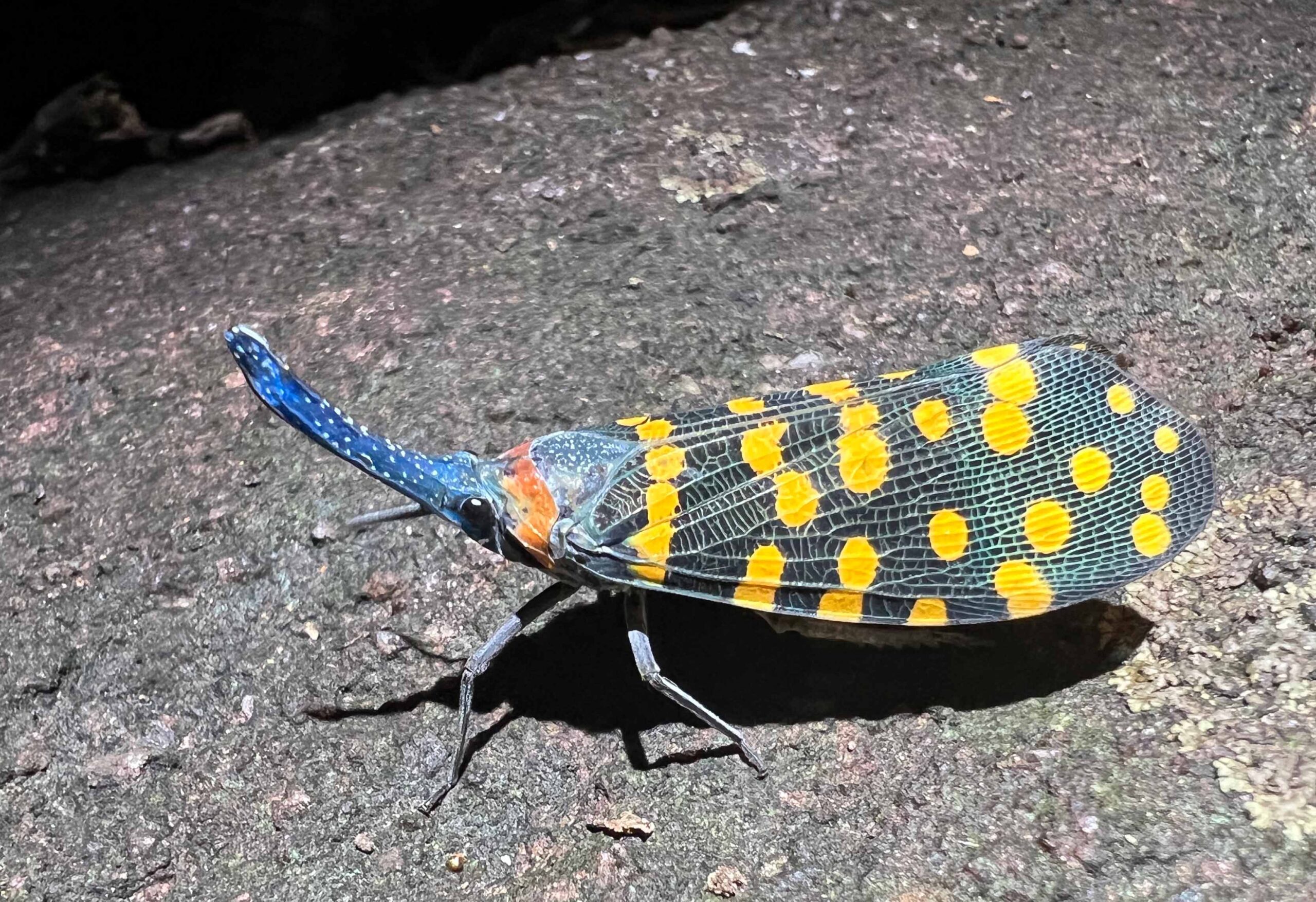
Recent findings from a study led by the University of Arizona reveal an unprecedented rate of species discovery. Annually, over 16,000 new species are identified, with the diversity among plants, fungi, arachnids, fish, and amphibians proving richer than previously estimated.
The study shows that there may be more than 16,000 reptile species on Earth, of which only about 12,000 have been formally described, including this hump-nosed viper from India.
John Wiens, professor at the Department of Ecology and Evolutionary Biology in the University of Arizona College of Science, challenged any notion of dwindling discoveries. “Some scientists have suggested that the pace of new species descriptions has slowed down and that this indicates that we are running out of new species to discover, but our results show the opposite,” he stated. “In fact, we’re finding new species at a faster rate than ever before.”
Analyzing the taxonomy of about 2 million species, researchers found that from 2015 to 2020, over 16,000 species were documented annually. This includes over 10,000 animals, primarily arthropods and insects, and significant numbers of plants and fungi.
Wiens highlights the encouraging discovery rates, which surpass extinction rates calculated at roughly 10 per year, based on another study he led. “These thousands of newly found species each year are not just microscopic organisms, but include insects, plants, fungi and even hundreds of new vertebrates,” he noted.
Exploring the Potential of Uncharted Biodiversity
The study projects significant future discoveries: possibly 115,000 fish species and 41,000 amphibian species, compared to the current 42,000 and 9,000 known, respectively. The potential plant species count could exceed half a million.
On average, more than 100 new reptile species are described each year. John Wiens photographed this helmeted lizard in Costa Rica.
Despite knowing about 2.5 million species, the actual number may range from tens of millions to billions. “As the famous ecologist Robert May said, if visiting aliens asked us how many species live on our planet, we would have no definitive answer,” Wiens remarked.
Scientists believe that the number of insect species alone could be around 6 million, or even 20 million, as earlier research by Wiens indicated (source). He commented, “Right now, most new species are identified by visible traits. But as molecular tools improve, we will uncover even more cryptic species.”
Implications for Conservation and Innovation
Understanding new species is crucial for conservation efforts, as species cannot be protected without identification. Wiens emphasized, “Discovering new species is important because these species can’t be protected until they’re scientifically described.”
New species discoveries also contribute to discovering natural products beneficial to humans. Examples include GLP-1 receptor agonists derived from Gila monsters for weight-loss drugs, and potential medicinal compounds from spider venoms, plants, and fungi.
Moreover, species adaptations can inspire technological advancements, such as gecko-inspired materials. Wiens concluded, “We’re still just scratching the surface of what these species can do for humanity.”
Future research will focus on mapping biodiversity hotspots and examining the diversity of researchers contributing to these discoveries, assessing shifts from historically European-centered efforts.
“Even though Linnaeus’ quest to identify species began 300 years ago, 15% of all known species have been discovered in just the past 20 years,” Wiens observed. The quest to comprehend and conserve Earth’s abundant life continues.
Read More Here