Arizona’s Water Crisis Takes Center Stage in New Exhibit
Arizona’s pressing water issues are being brought to the forefront through an innovative exhibit combining art and research. The state’s prolonged drought, rising temperatures, and increased water demand have severely impacted its water resources, making water insecurity a critical issue.
The exhibition, titled “Our Water: Innovations and Collaborations in Arizona,” aims to address these challenges by showcasing how creative partnerships and innovative approaches can pave the way for a sustainable water future. This initiative is part of Arizona Water for All, a program supported by the governor’s office, which unites community members, organizational partners, and researchers from Arizona’s state universities.
Associate Professor Ashleigh M. Day from the School of Communication expressed the gravity of the situation, saying, “We have a huge issue with water in our state. This type of crisis can be really hard for people to process, because we still have water coming out of our taps at home and can still take a shower whenever we want. But the water is dwindling, and for many cities in Arizona, even some up here in northern Arizona, the issues with how we are governing the Colorado River, and other water sources, are serious.”
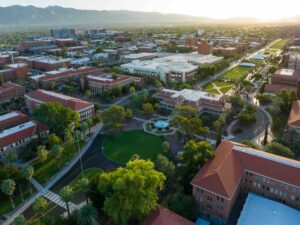
The exhibit, currently hosted at Northern Arizona University (NAU), follows its initial presentations at Arizona State University and the University of Arizona. Day mentioned that while the exhibit maintains core themes, it is tailored to reflect northern Arizona’s specific water issues, incorporating insights from local water experts and featuring regional artwork.
Lucero Radonic, an associate professor in the Department of Anthropology, collaborates with Day and NAU alumna Miriam Nelson on the project. Radonic emphasized the role of collaboration in addressing water issues, stating, “In our research at the Water, Society, and Policy Lab, we found that the one theme that everyone mentions when discussing the future of water in northern Arizona is collaboration.”
Crucially, the exhibit includes input from Indigenous communities in northern Arizona, highlighting their involvement in water resource management. Radonic noted, “After decades of exclusion, the federal government has been increasingly working with tribes to try to monitor, learn from and figure out adaptive management for water resources.” The exhibit features panels on the Glen Canyon Dam Adaptive Management Program and historical water infrastructure like the Hohokam canal system.
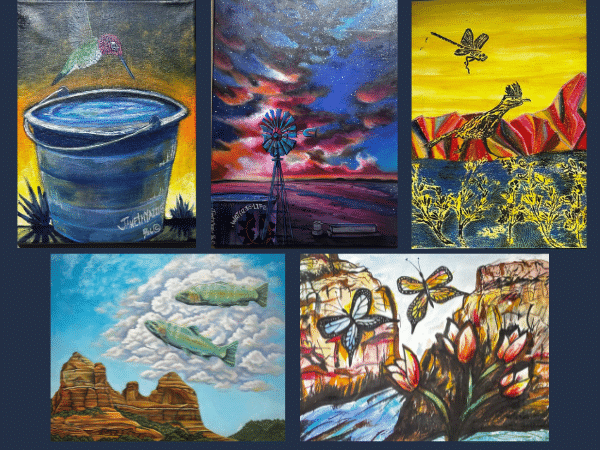
Local artists add depth to the exhibit, with artworks that explore the connections between water, culture, and community. Radonic remarked, “We have some amazing work being presented,” highlighting a three-dimensional installation by Selina Scott, which explores themes of land, water, and motherhood.
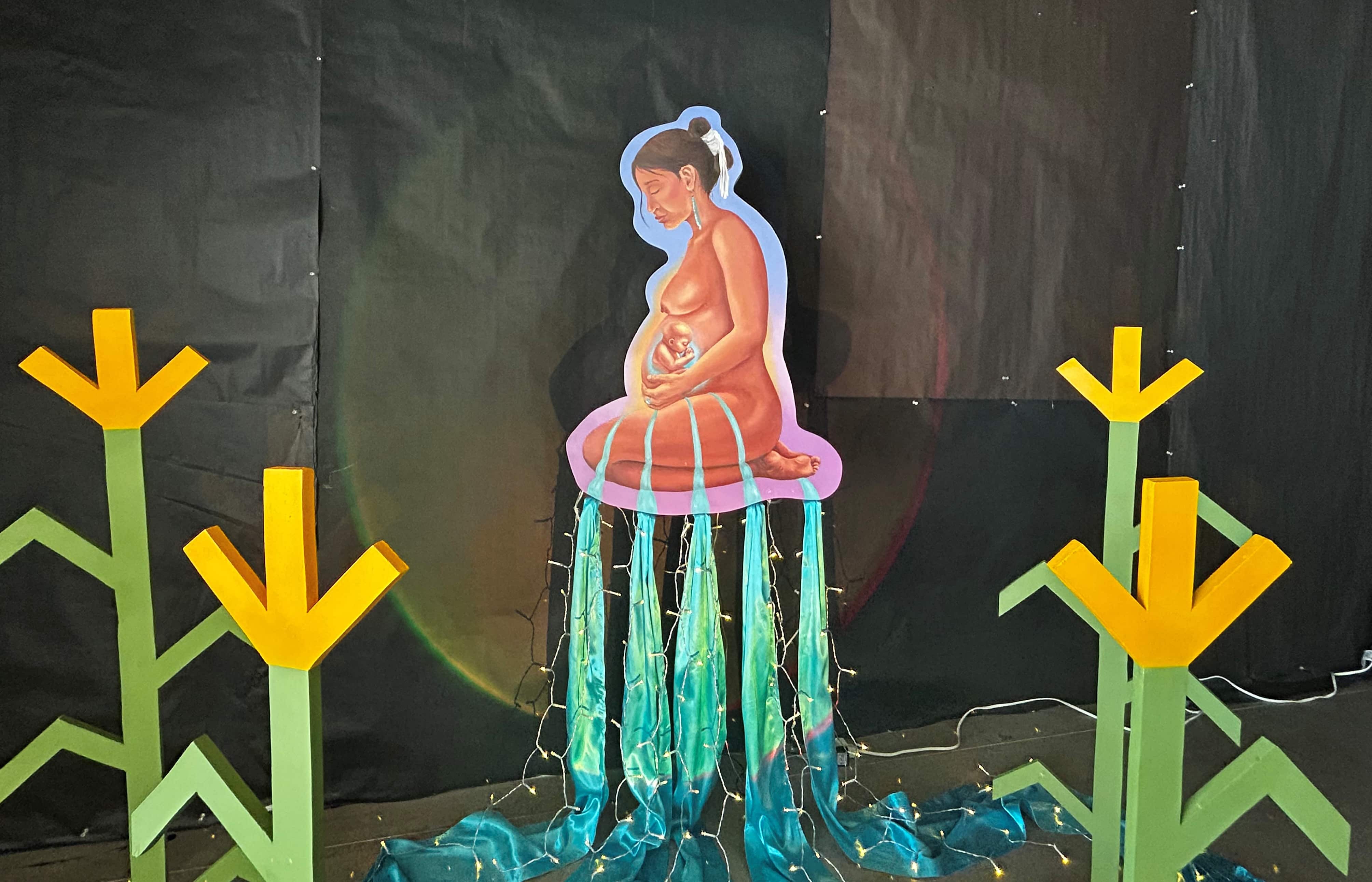
The exhibit will be open from May 15 to June 19 at the School of Communication Gallery at NAU, providing visitors with a comprehensive look at Arizona’s water issues and the collaborative efforts to address them.
Read More Here