Exercise Sparks Neural Activity Boost in Memory-Related Brain Regions
A groundbreaking study from the University of Iowa has revealed that just one session of physical exercise can trigger a significant increase in neural activity within brain networks linked to learning and memory.
The research team investigated the brain activity of epilepsy patients before and after they engaged in exercise. Their findings demonstrated that a single exercise session resulted in a surge of high-frequency brain waves, known as ripples, originating in the hippocampus and spreading to other brain areas associated with learning and recall.
Why it matters
While past studies suggested that physical activity enhances brain connections essential for learning and memory, these conclusions were often based on indirect measures like changes in oxygenated blood levels post-exercise. This study directly measured the ripples in the brain, confirming their increase in regions responsible for cognitive functions after exercise.
Although the role of ripples has been well-documented in animal studies, this research marks the first time scientists have confirmed their function in humans. The previous challenge was the need for implanted electrodes to capture such data, leading researchers to rely on proxy measures. However, this study allows for direct observation of neuronal activity post-exercise.
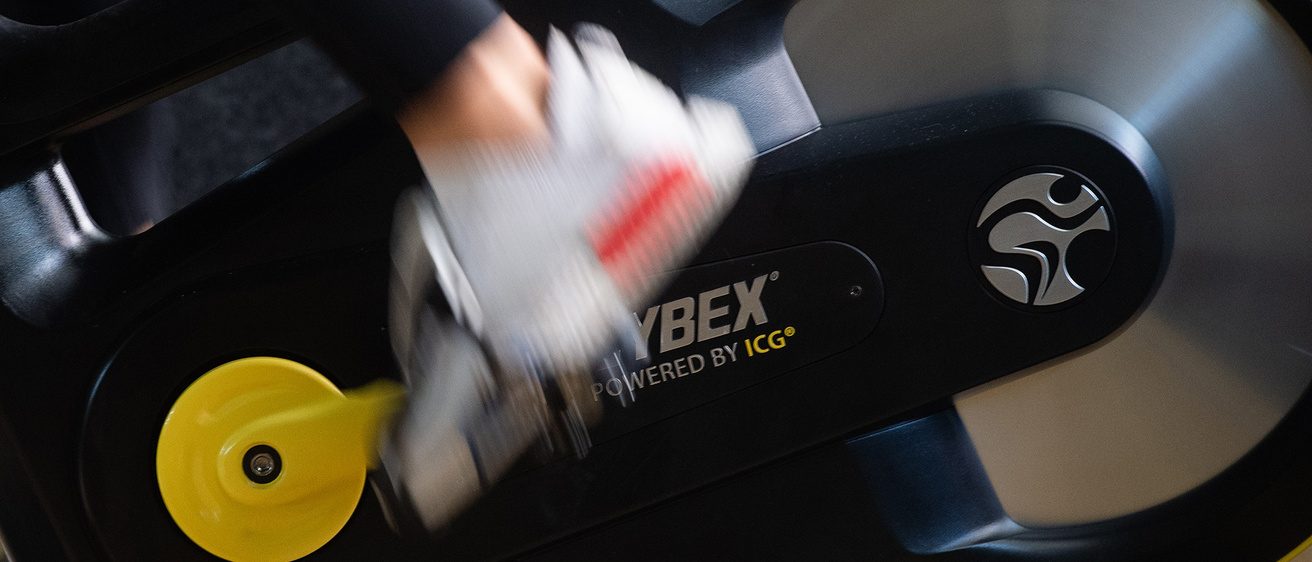
The research team, led by Iowa, involved 14 epilepsy patients aged 17 to 50 from the University of Iowa Health Care Medical Center. Participants were asked to cycle on a stationary bike for 20 minutes at a sustainable pace following a brief warmup. Using intracranial electroencephalography (iEEG), researchers recorded brain activity before and after the exercise session, observing an increase in ripples from the hippocampus to cortical areas tied to learning and memory.
“We’ve known for years that physical exercise is often good for cognitive functions like memory, and this benefit is associated with changes in brain health, largely from behavioral studies and noninvasive brain imaging,” says Michelle Voss, professor and Ronnie Ketchel Faculty Fellow in the Department of Psychological and Brain Sciences at Iowa and the study’s corresponding author. “By directly recording brain activity, our study shows, for the first time in humans, that even a single bout of exercise can rapidly alter the neural rhythms and brain networks involved in memory and cognitive function.”
Voss noted that these findings are not limited to epilepsy patients, as similar patterns are seen in healthy adults through noninvasive imaging methods like fMRI. The alignment of results across various methodologies suggests a universal brain response to exercise.
Moving forward, the researchers aim to secure funding to further explore the exercise-memory connection by administering memory tests during brain activity recording sessions post-exercise.
The study, titled “Exercise enhances hippocampal-cortical ripple interactions in the human brain,” was published in the journal Brain Communications on March 9, under Oxford Academic.
Araceli Cardenas from Toronto Western Hospital and Juan Ramirez-Villegas from the Institute of Science and Technology in Austria co-led the study. Other contributors from Iowa include Christopher Kovach, Phillip Gander, Rachel Cole, Hiroto Kawasaki, Jeremy Greenlee, Matthew Howard, and Kirill Nourski, alongside Andrew Grossbach from Ohio State University and Matthew Banks from the University of Wisconsin-Madison.
The University of Iowa funded the research.
Read More Here