
Wild Chimpanzee Group Splits and Engages in Lethal Conflict, Revealing Insights Into Social Dynamics
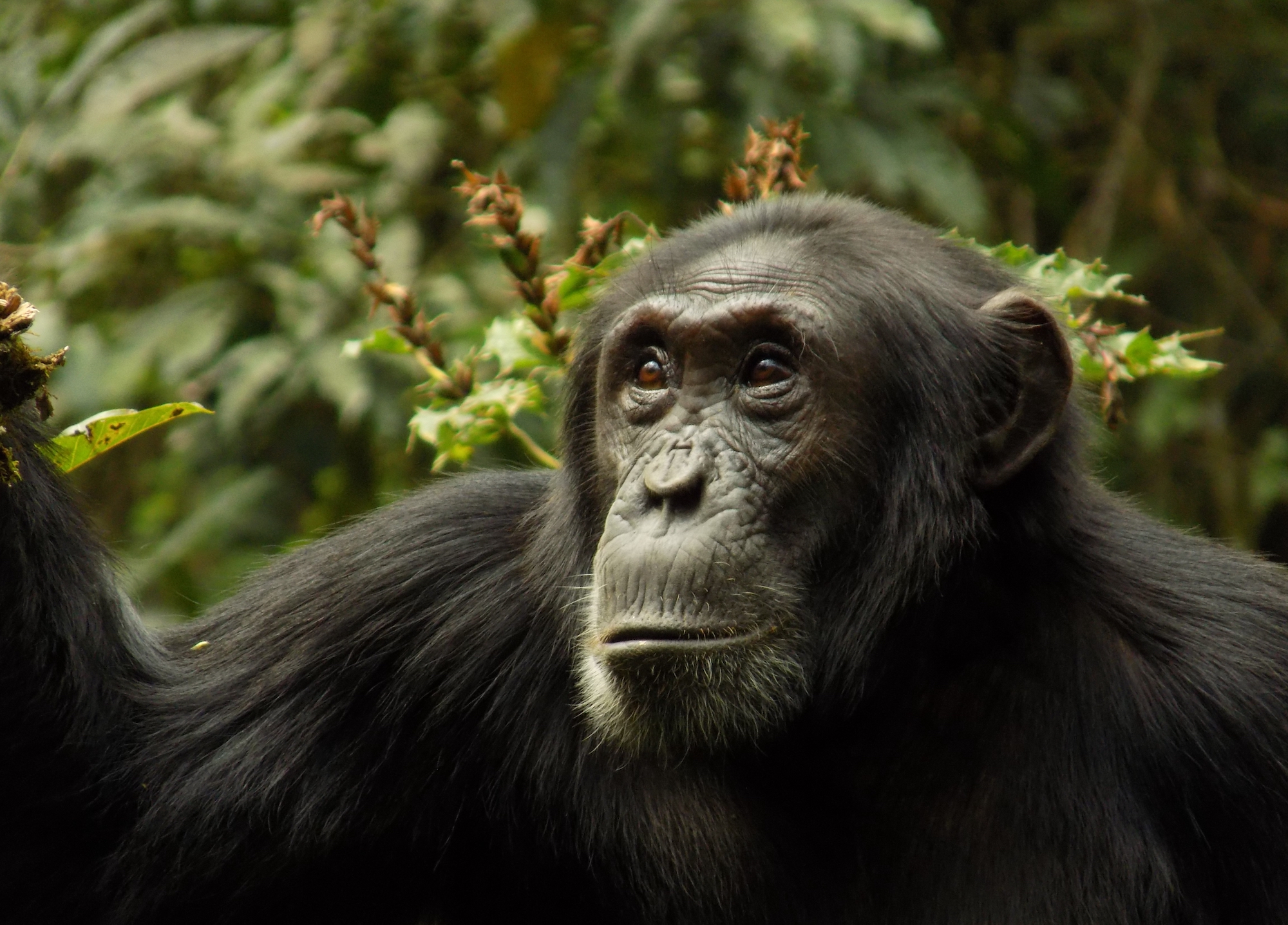
In an unprecedented event among wild chimpanzees, the largest known group has divided into two warring factions. This rare occurrence is detailed in a study published in the journal Science, where researchers, including a primatologist from the University of Arizona, have documented the split after three decades of observing the Ngogo chimpanzees in Uganda’s Kibale National Park.
Initially cohesive, the group began to show signs of division in 2015, resulting in a permanent fission by 2018. This division led to a series of violent encounters, with one faction launching deadly attacks against the other, culminating in the deaths of at least 24 chimpanzees, including seven adult males.
Jacob Negrey, an anthropology assistant professor and co-author of the study, noted the significant link between shared space and group identity in chimpanzees. He observed that as social bonds deteriorated and individuals stopped engaging in shared activities, former allies turned hostile. “What’s shocking to me is that these chimps were able to kill individuals with whom they had long maintained friendly social relationships,” commented Negrey, who has spent 13 years studying the Ngogo chimpanzees.
While group divisions are not uncommon in other primate species and can alleviate resource competition, such splits are exceedingly rare among chimpanzees. Genetic evidence suggests these events occur roughly once every 500 years.
John Mitani, emeritus professor of anthropology at the University of Michigan, along with a team of scientists and Ugandan staff, meticulously documented the Ngogo chimpanzees’ social interactions. The evidence suggests that the fission and ensuing violence were natural occurrences, unaffected by human interference.
The researchers described the Ngogo chimpanzees as a large, dynamic group with subgroups, or “clusters,” that allowed individuals to maintain social ties across different clusters. This fission-fusion social structure is typical of chimpanzees, where temporary separations and reunions occur frequently.
However, in 2015, polarization became evident, with the western and central clusters increasingly avoiding each other. This shift in dynamics coincided with changes in the male dominance hierarchy and followed the deaths of several adult males who might have unified the clusters.
By 2018, the split was complete, resulting in distinct western and central groups with separate territories. Subsequent to the division, the western group initiated a series of attacks on the central group. Between 2018 and 2024, researchers observed or strongly suspected seven attacks on adult males and 17 on infant chimpanzees.
“I would caution against anyone calling this a civil war,” remarked Aaron Sandel, associate professor of anthropology at UT Austin and the study’s lead author. He noted that the social processes observed might provide insights into human behavior.
The study challenges the notion that human conflicts, such as civil wars, are primarily driven by cultural identity markers like ethnicity or religion. Instead, Sandel suggested that intrinsic relational dynamics could be more fundamental. “If relational dynamics alone can drive polarization and lethal conflict in chimps without language, ethnicity, or ideology, then in humans, those cultural markers might be secondary to something more basic,” he said. “If that’s true, then we may have the potential to reduce societal conflicts in our personal lives, and that gives me hope. As our paper concludes, it may be in the small, daily acts of reconciliation and reunion between individuals that we find opportunities for peace.”
Read More Here









Be First to Comment