
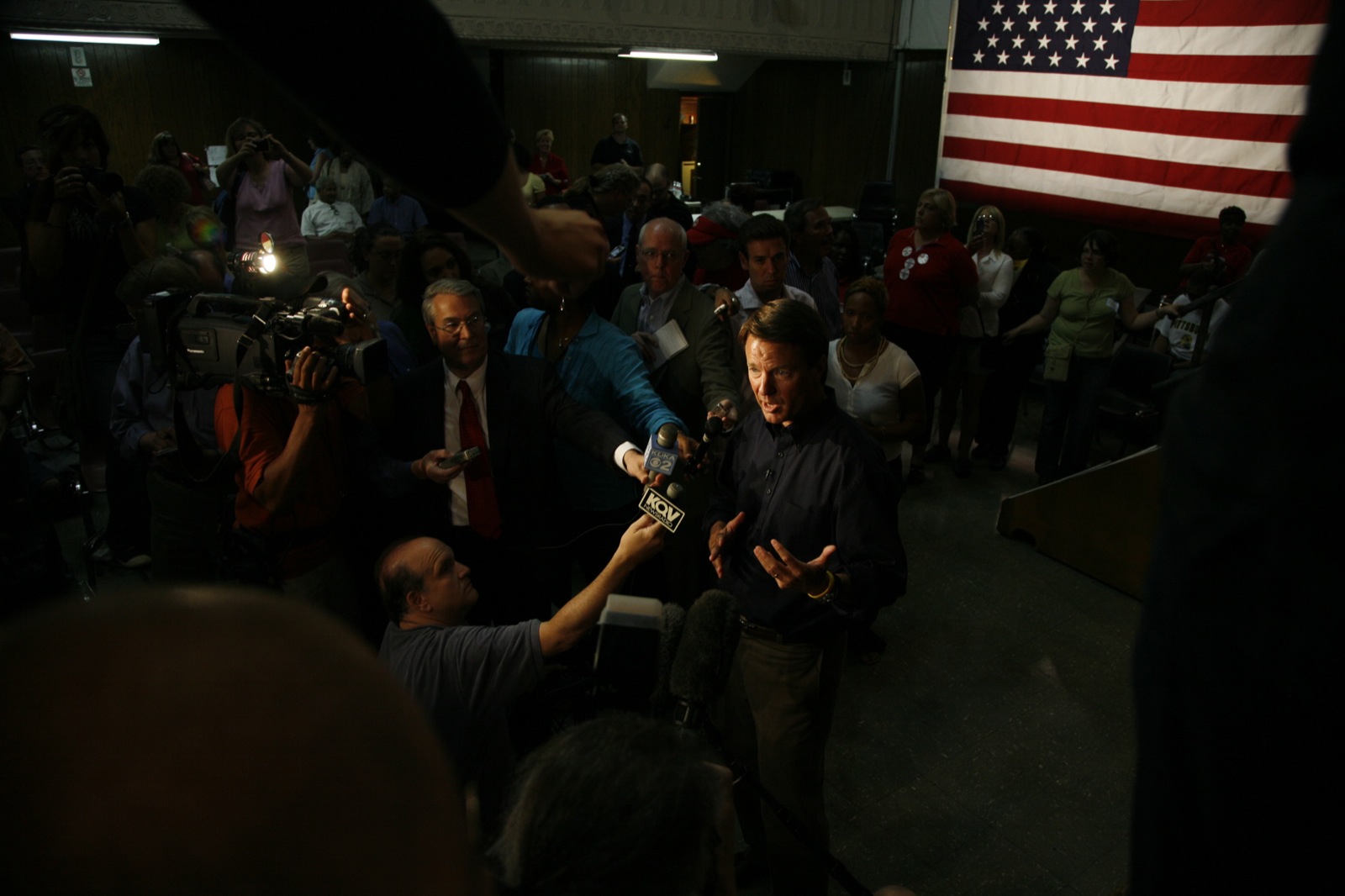
As the digital era continues to reshape the media landscape, Columbia Broadcasting System News Radio is set to cease operations, marking the end of an era for a service that has been a staple in American broadcasting for nearly a century. This decision follows a series of financial challenges and strategic shifts within the industry.
In an official announcement on March 20, CBS executives Tom Cibrowski and Bari Weiss confirmed the closure of CBS News Radio just shy of its 100-year anniversary. All services, including the daily broadcasts on Pittsburgh’s KDKA radio, will be discontinued this spring.
CBS had previously sold its local radio stations to Audacy in 2017. Despite the sale, affiliates like KDKA and KYW in Philadelphia continued to air CBS content. However, starting in May, these 700 affiliate stations will no longer carry CBS programs. Some affiliates have already stated they will continue broadcasting non-CBS content.
Michael Spacciapolli, senior vice president at Audacy, emphasized that Pittsburgh’s KDKA radio will maintain its broadcasts, focusing on local, national, and international news. “Although we’re grateful for [CBS News Radio], looking forward, the decision is going to have little to no effect on KDKA,” he stated.
Spacciapolli noted that KDKA will need to fill programming gaps left by the CBS departure. The station plans to replace CBS newscasts with either a KDKA-developed program or content from a new national affiliate. “A lot of different network provider folks are very interested,” he added, assuring that the content quality would remain consistent for listeners.
The decision to shut down follows CBS’s earlier move to cancel two longstanding programs, citing economic hardships. A memo from Weiss and Cibrowski explained that changes in programming strategies and financial constraints made the continuation of these services unviable.
The closure of CBS News Radio has resonated throughout the industry. Terry O’Reilly, CEO of Pittsburgh Community Broadcasting, expressed his disappointment at the news, describing the division’s influential role in CBS’s history. He noted, “The broadcasting business, be it radio or television, is no longer as robust financially as it once was.”
With more people turning to digital platforms for news, O’Reilly highlighted the challenge of reaching audiences amid increasing competition. “The future is far more than the traditional destination newscasts at the top of the hour,” he remarked, acknowledging the evolving nature of news consumption.
Michaela Albers, a junior majoring in film and media studies, shared insights from her experience at Pitt’s WPTS radio. She emphasized the importance of diversifying content distribution to ensure survival in the current media climate. “We’ve kind of broadened our horizons with how to connect with our audience while radio is still our main focus,” Albers said.
Despite concerns about radio’s future, Albers remains optimistic about its relevance, especially among younger generations passionate about preserving traditional media forms. O’Reilly echoed this sentiment, acknowledging radio’s enduring appeal: “It’s built around the two things that human beings are so very, very good at — one of them is storytelling and one of them is an affinity for being told a story.”
Read More Here






Be First to Comment