
Across northern Arizona, the dream of homeownership has grown increasingly out of reach — not just in expensive resort towns, but in small rural communities where wages are modest and housing options are few. Now, Habitat for Humanity of Northern Arizona is pushing deeper into the region with a series of low-cost starter home projects aimed at giving working families a genuine path to building wealth.
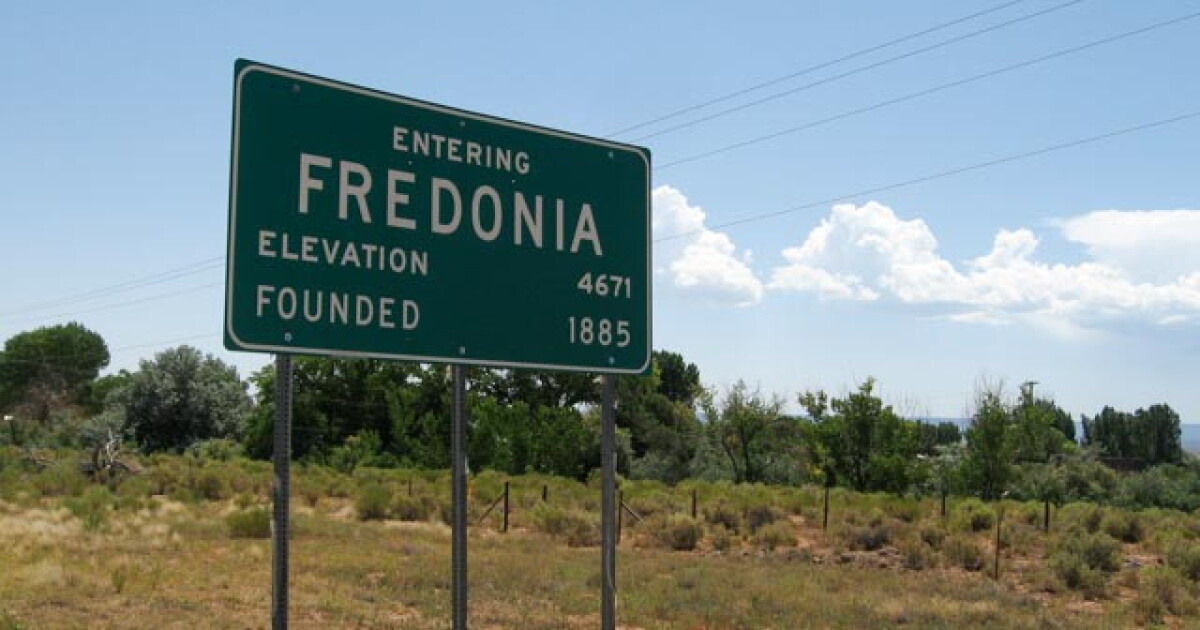
The nonprofit is planning new developments in Winslow, Fredonia, and Payson — three communities that share a familiar struggle: housing costs that are disproportionately high relative to local incomes. The expansion follows a similar project already underway in Flagstaff, which has become a national model for the program.
A Rural Housing Crisis in Plain Sight
When most people think of Arizona’s affordable housing crisis, Flagstaff often comes to mind first. Over the past two decades, home prices there have climbed nearly 200%, while median incomes rose only about 70%. But Eric Wolverton, CEO of Habitat for Humanity of Northern Arizona, says the burden on residents of smaller communities is just as heavy — sometimes more so.
“You just go 45 minutes to the east to Winslow, much cheaper to live there. But that means your minimum wage is going to be much less. So that means your cost of housing is actually going to be on a ratio the same as Flagstaff.”
— Eric Wolverton
In isolated towns like Fredonia, the problem is compounded by geography. With no large neighboring municipality to absorb overflow demand, workers simply cannot commute from somewhere more affordable.
“Especially border towns like up in Fredonia and Page, they’re so remotely removed from any other big municipality. That means it’s not feasible to find housing in a neighboring community.”
— Eric Wolverton
The consequences are concrete: local employers, including schools and police departments, struggle to recruit and retain essential workers because there is nowhere affordable for those workers to live.
What the Expansion Looks Like on the Ground
Habitat’s response is direct. The organization plans to build 24 homes in Winslow and is partnering with a Community Presbyterian Church in Payson on a two-home pilot project. Wolverton said both developments are expected to break ground this spring. The project in Fredonia is still in pre-development stages.
The starter home model is designed to let residents build equity over up to 10 years before they purchase their next home — giving families a foothold in local real estate markets that might otherwise be permanently beyond their reach. Wolverton noted that the approach has resonated strongly with smaller, more conservative communities in the region.
“So these small, conservative-leaning communities, they’re looking for a hand up, not a handout. And that’s what Habitat provides. That is our motto.”
— Eric Wolverton
A Flagstaff Blueprint Going National
The rural push builds on lessons learned in Flagstaff, where Habitat partnered with Capstone Homes on a 40-home project within the Timber Sky development in Coconino County. That effort gave the organization a clear, repeatable development path — one that is now attracting interest from Habitat affiliates well beyond Arizona.
“The problem with housing, it’s not a Flagstaff-centric issue. It’s not an Arizona issue. It is a countrywide issue. We created this program for Habitat here in Flagstaff, and now we are expanding it out to not only our areas, but to other Habitat affiliates across the country. As they’re seeing their communities are struggling with the same demands as Flagstaff, they’re looking at us as the solution to their problem.”
— Eric Wolverton
You can share this story and follow its ongoing coverage through LinkedIn. For more local reporting from the region, KNAU and Arizona News continues to track housing and community developments across northern Arizona, including recent coverage of flooding that stranded more than 60 campers in Oak Creek Canyon.
Flagstaff’s Next Chapter — and a Call for City Action
Even as the rural program gains momentum, the future of new starter homes in Flagstaff itself is uncertain. The Timber Sky project is nearing completion — Wolverton estimates it will wrap up within roughly eight months — and Habitat has not yet secured land for a follow-up development in the city.
“We are almost done with Timber Sky. We’ll be wrapped up within about eight months from now. We want to start that early development work right now [on the next project in Flagstaff]. But when we reached out to our partners at the city, unfortunately, at this time, it seems like they cannot find the land within their inventory to be able to provide us with opportunities to build.”
— Eric Wolverton
Wolverton put the challenge plainly:
“We need the city to step up to the plate.”
In response, City of Flagstaff spokesperson Sarah Langley said the city values its nearly 30-year partnership with Habitat for Humanity and that land is made available through a public procurement process open to all potential builders. Mayor Becky Daggett struck a collaborative tone in her own statement.
“Our community deserves an ‘all hands on deck’ approach to addressing this problem and I appreciate every partner who’s doing this work with us.”
— Mayor Becky Daggett




Comments are closed.