Advanced AI System Enhances Aviation Safety by Predicting Potential Collisions
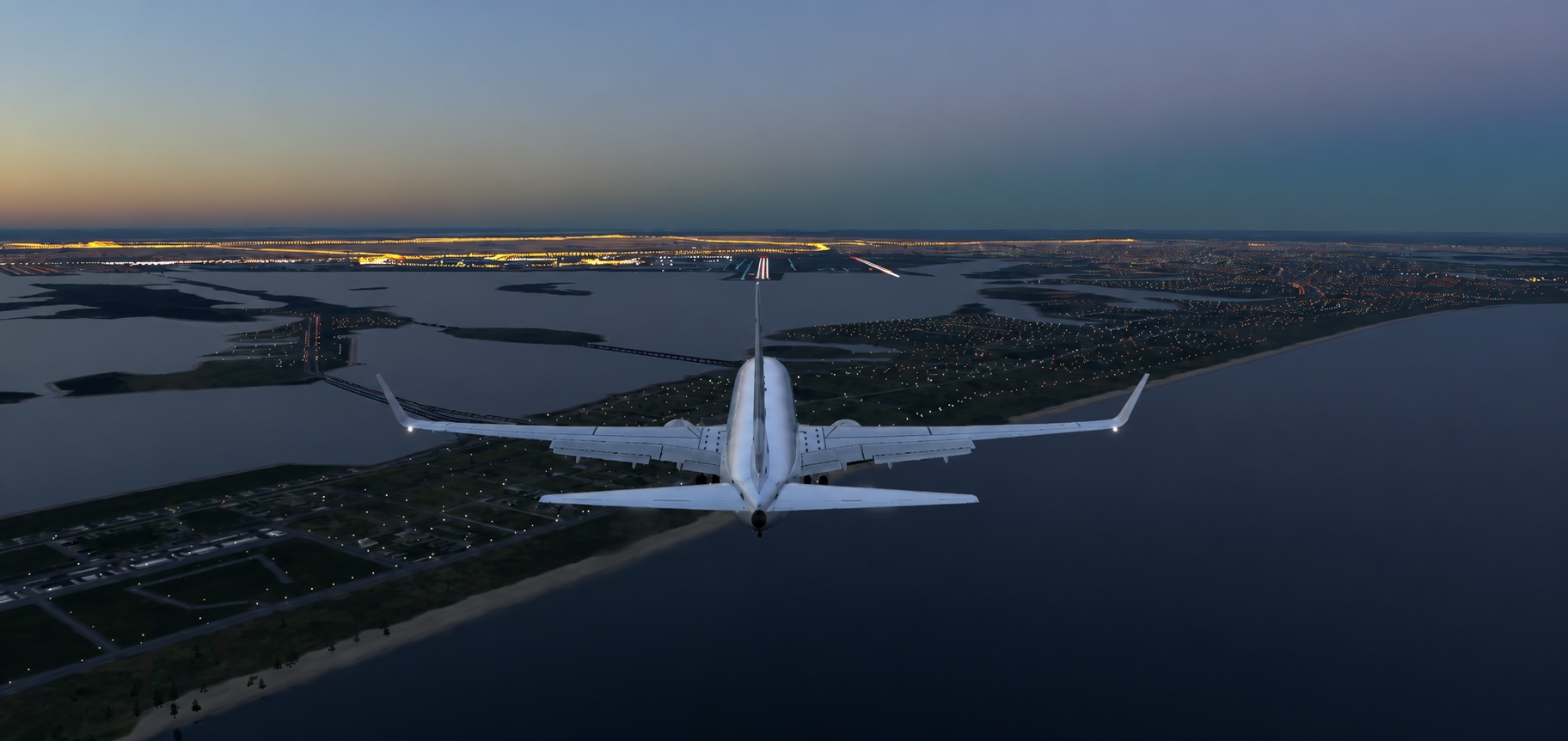
In an effort to increase aviation safety and prevent runway collisions, researchers from Carnegie Mellon University’s Robotics Institute have developed World2Rules, an AI system designed by the AirLab team. This system aims to improve how potential collision scenarios are detected and explained by learning safety rules from comprehensive data.
World2Rules distinguishes between normal airport operations and dangerous activities by analyzing data from daily airport functions and documented safety breaches. The system goes beyond merely issuing alerts; it pinpoints specific safety violations and elaborates on the risks by comparing them with established danger patterns.
“The overall idea we’ve been working on with this project is to see how we can improve safety in the aviation domain or other safety-critical domains,” explained Jack Wang, a master’s student at the Robotics Institute. “As shown on the news, runway incursions have been happening. Sometimes they’re minor, but sometimes they can be quite catastrophic.”
Wang’s interest in aviation safety is complemented by his involvement with the CMU Flying Club and teaching a Student College course for aspiring pilots. The World2Rules initiative aims to offer a proactive approach by predicting potential collisions, allowing crucial additional seconds for pilots and air traffic controllers to respond.
The AirLab, in conjunction with the Bot Intelligence Group, developed the Amelia-42 dataset. This dataset includes two years of Federal Aviation Administration data from 42 U.S. airports, capturing extensive details on aircraft and vehicle movements. The processing of this vast dataset was facilitated by the Bridges-2 supercomputer at the Pittsburgh Supercomputing Center.
“The data we collected includes both normal airport operations and crash and incident reports,” mentioned Jay Patrikar, a recent graduate from the Robotics Institute who contributed to World2Rules and co-founded the CMU Flying Club. “That data helps our system distinguish between normal and unsafe situations. We not only want to understand that a crash is happening, but also want to predict if a crash will happen in the future.”
World2Rules operates as part of a larger pipeline for collision prediction by using explicit safety rules learned from the Amelia dataset. It identifies and flags potential rule violations in aircraft trajectories, explaining the specific risks involved in understandable terms.
“In practice, this ideally would mean air traffic controllers or automated systems could get earlier, clearer warnings of potential dangers,” Wang said.

To achieve this, World2Rules integrates neural and symbolic AI approaches. The neural component identifies patterns in the data, while the symbolic component translates these patterns into clear, interpretable rules. This combination enables the system to detect and explain dangerous situations logically.
“Beyond aviation, World2Rules could also be used in other areas where safety is critical,” noted Sebastian Scherer, an associate research professor and head of the AirLab. “The system can be adapted to different environments by teaching it the relevant rules and behaviors for that domain. Once that information is defined, the same core technology can learn and monitor safety risks without needing to be redesigned.”
The team shared their findings at the NASA Formal Methods Symposium in Los Angeles earlier this month.
Read More Here