
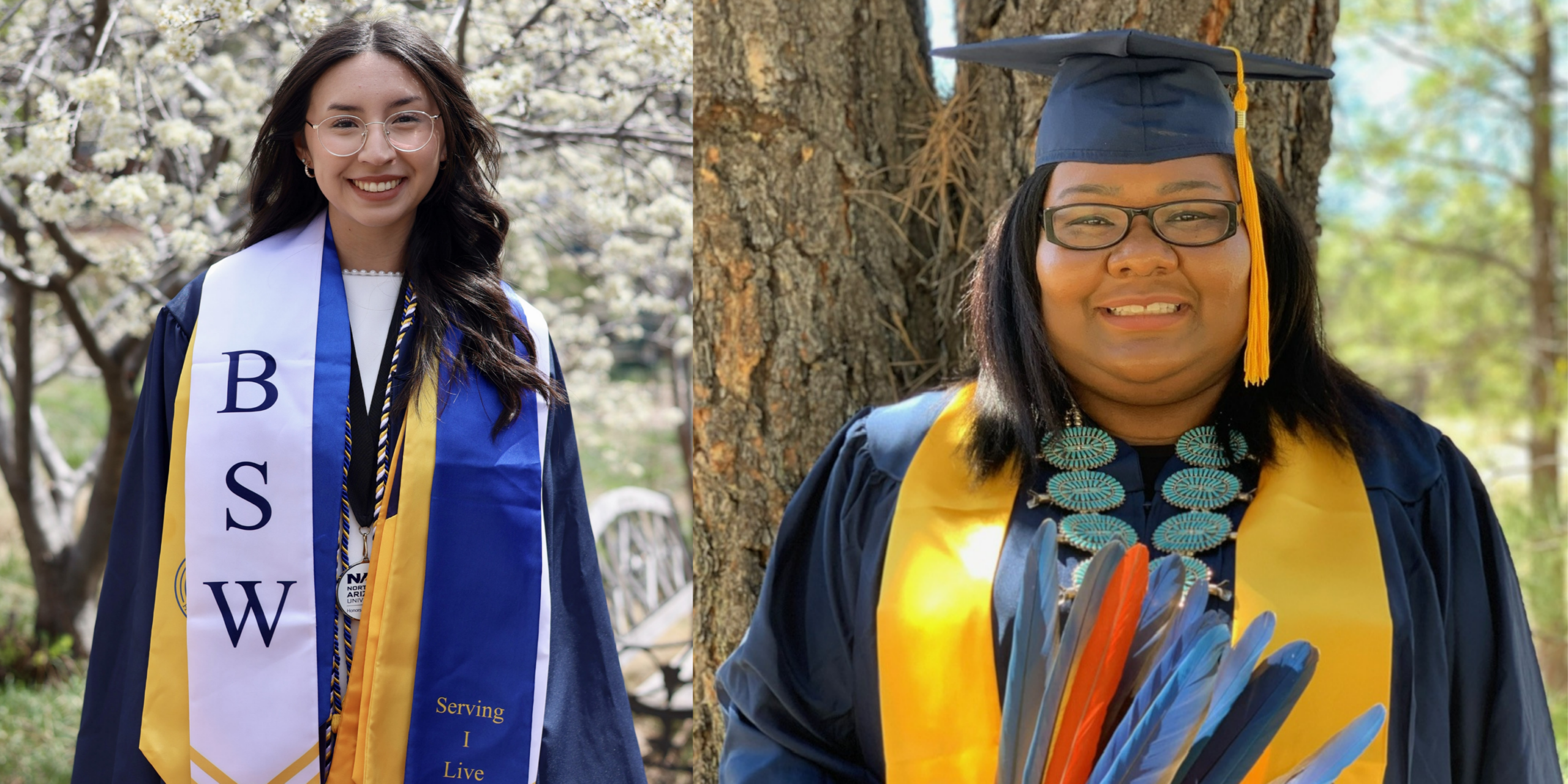
For many first-generation college students, the journey into higher education can feel like navigating uncharted territory. Anahi Gonzales recalls her own experience as a high school senior in Tucson, sitting with her parents in front of a computer screen, overwhelmed by the unfamiliar FAFSA form. Her parents hadn’t attended college, leaving them with more questions than answers about the daunting process.
Gonzales’ situation is not uncommon. Many first-generation students lack immediate access to someone who has traversed the college application landscape before, making it challenging to know what questions to ask or what resources to seek out. “Having someone who has gone through it before provides the type of advice and insight that you simply don’t have access to as a first-generation student,” Gonzales said. “I didn’t even understand what FAFSA was, I just knew it was something you fill out when you go to college.”
The Gonzales family managed to navigate the process, leading Anahi to enroll at Northern Arizona University (NAU), where she recently graduated with a degree in social work, earning the President’s Prize. Now pursuing a master’s degree, Gonzales reflects on her journey alongside Destinee King, assistant director at NAU’s CoLab Center. Both share experiences and advice for other first-generation students.
Choosing NAU
For Destinee King, a school counselor’s assistance in obtaining an application fee waiver was pivotal. She applied to multiple schools, ultimately choosing NAU due to acceptance and financial aid, despite the complexities of securing scholarships and loans. “As a first-generation student from a single-parent household, there were many aspects of college that I was navigating for the first time without a roadmap,” King explained. “Learning how financial aid worked, understanding the hidden costs of college and balancing academics, work and involvement on campus came with a learning curve.”

For Gonzales, the scholarship application process was arduous, involving sorting through numerous options to find suitable opportunities. Both Gonzales and King had siblings who attended college, providing some guidance, a role Gonzales now fulfills for her younger sister.
Finding Resources at NAU
Both women found support through NAU’s Successful Transition and Academic Readiness (STAR) program and TRIO Student Support Services, which offered peer mentoring. King noted, “Being heavily involved at NAU helped change the trajectory of my career toward higher education. I found joy in serving students, especially those from marginalized communities, and helping them thrive at NAU.”

Gonzales leveraged Career Development services to bridge knowledge gaps about professional norms and utilized her role in Campus Living to finance her education. “Being a community assistant lifted the financial barrier that keeps low-income, first-gen students like me from graduating from a four-year university,” she stated.
Guidance for Fellow First-Gen Students
King, now holding both bachelor’s and master’s degrees from NAU, emphasizes the importance of seeking help and building connections. “I want first-generation students to know that they belong here,” she said. “You do not have to navigate college alone. There is strength in asking for help, building connections and taking advantage of the opportunities and support systems available to you.”

Gonzales, too, has spent her time at NAU supporting fellow first-gen students, encouraging them to make the most of their college experiences. “We fought so hard to be here, and it’s up to us to maximize the benefits we get out of our time here,” she urged. “Go to those office hours, join that club, say yes to those plans, apply for that study abroad trip. Be out there representing our first-gen community!”
Read More Here








Comments are closed.