
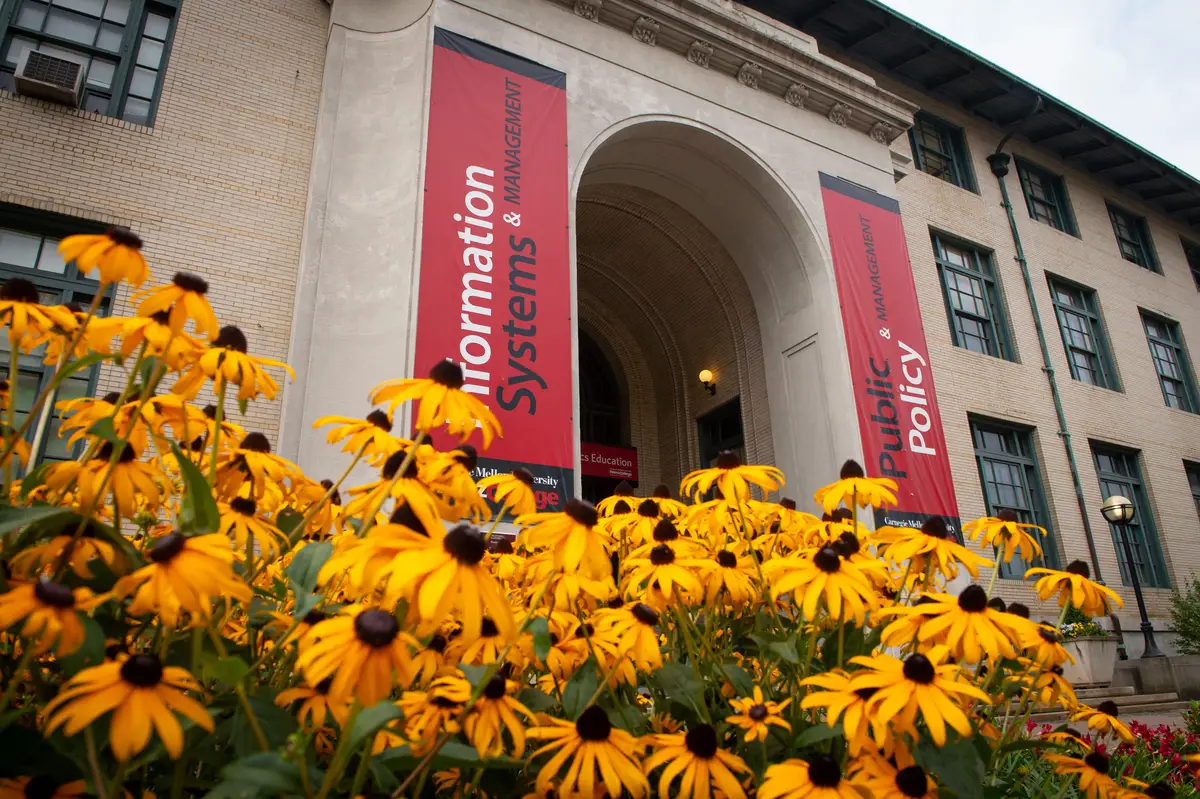
The intersection of artificial intelligence and the workforce is a burgeoning field of study, and Carnegie Mellon University (CMU) is at the forefront of this research. Three professors from CMU are part of Google’s first AI & Economy cohort, investigating the effects of AI on jobs and productivity. Their studies encompass AI’s role in job interviews, its economic impact beyond traditional metrics, and the division of labor between humans and AI.
AI in the Hiring Process
Brian Jabarian, an assistant professor at CMU’s Heinz College, is exploring how AI alters the hiring landscape. In collaboration with PSG Global Solutions, Jabarian conducted a significant field study involving 70,000 job applicants. These applicants were randomly assigned to either human recruiters or AI voice agents, with a third group given the choice. Remarkably, 78% of those given a choice opted for AI interviewers. Jabarian’s ongoing research seeks to understand the consequences if employers uniformly adopt AI systems that might introduce similar errors in hiring.
Reevaluating AI’s Economic Contributions
Avinash Collis, another CMU associate professor, is focusing on the overlooked economic impacts of AI. Traditional measures like GDP may not fully capture AI’s value, especially since many AI tools are used for nonwork activities and are often free. Collis is creating new metrics to quantify AI’s economic advantages, aiming to provide policymakers with a comprehensive view of AI’s benefits and costs. His research also examines how these benefits vary across different income levels and geographic locations, questioning if users in affluent countries experience different advantages compared to those in less wealthy nations.
Balancing Human and AI Labor
The conversation about AI replacing human jobs is widespread, but Christophe Combemale, a research professor at CMU’s College of Engineering, is examining which job tasks are particularly susceptible to AI. His initial findings suggest that while some tasks can be partially automated, others are deeply integrated and challenging to separate due to information and physical constraints. For example, tasks requiring vision, judgment, and dexterity might not see productivity gains unless AI can perform all aspects simultaneously. Combemale’s work aims to help employers reassess AI’s role in specialized sectors.
Carnegie Mellon University’s participation in Google’s AI & Economy cohort underscores the institution’s commitment to understanding and navigating the complex relationship between AI and the workforce. The professors’ diverse research projects offer valuable insights into how AI can be harnessed to complement human labor and drive economic growth.
Read More Here
![Environmental Opera “Auksalaq” Opens UVA’s Arts on the Hill Series[embed]https://www.youtube.com/watch?v=PjYuP9wh3Hw[/embed]](https://realnewsfast.com/wp-content/uploads/2026/10/Environmental-Opera-Auksalaq-Opens-UVAs-Arts-on-the-Hill-SeriesembedhttpswwwyoutubecomwatchvPjYuP9wh3Hwembed-300x200.jpg "Environmental Opera “Auksalaq” Opens UVA’s Arts on the Hill Series[embed]https://www.youtube.com/watch?v=PjYuP9wh3Hw[/embed]")

![New documentary explores Elizabeth Holmes’ final days before prison[embed]https://www.youtube.com/watch?v=GGJSRFWALTI[/embed]](https://realnewsfast.com/wp-content/uploads/2026/10/New-documentary-explores-Elizabeth-Holmes-final-days-before-prisonembedhttpswwwyoutubecomwatchvGGJSRFWALTIembed-300x200.jpg "New documentary explores Elizabeth Holmes’ final days before prison[embed]https://www.youtube.com/watch?v=GGJSRFWALTI[/embed]")




Comments are closed.