
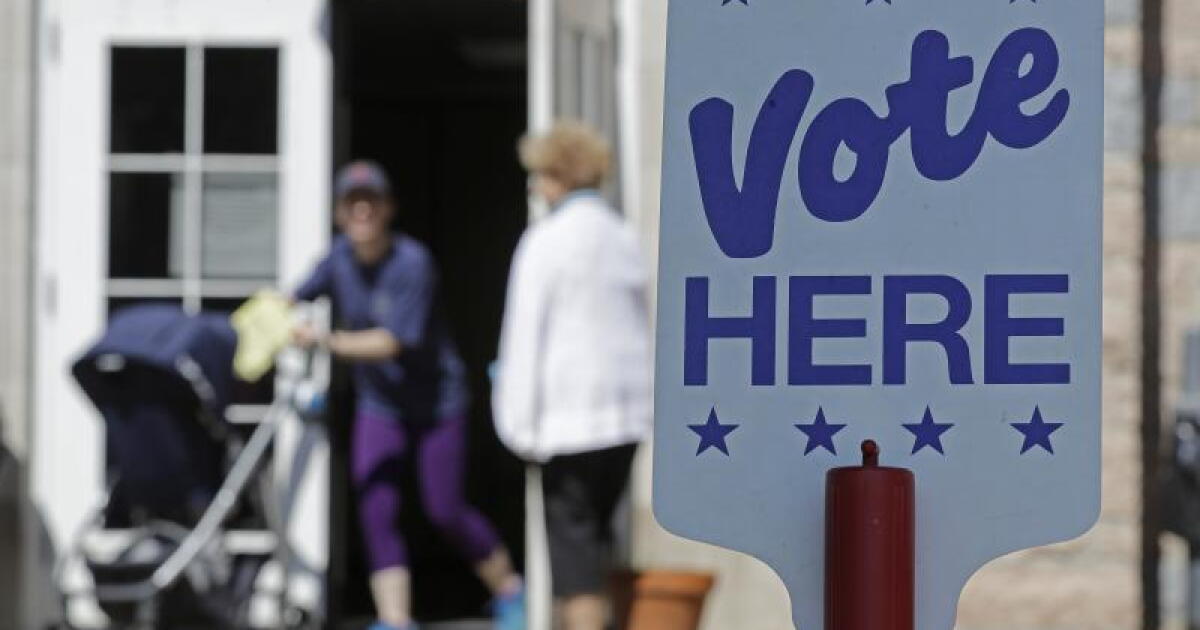
Election season tends to bring a fresh wave of viral rumors, and this year is no different — some of them capable of discouraging eligible voters from trusting the process or even showing up at all. One claim making the rounds online suggests that if a poll worker writes anything on your ballot, that ballot is automatically thrown out. North Carolina election officials want voters to know: that simply isn’t true.
According to the North Carolina State Board of Elections, poll workers write on ballots regularly — and in many cases, they are actually required by law to do so. Far from being a sign of tampering or error, these markings are a routine part of how elections are administered and how ballots are tracked and counted correctly.
Why Poll Workers Write on Ballots
There are several legitimate reasons a poll worker might place a mark or notation on a ballot. One of the most common involves identifying numbers written on mail-in ballots or ballots cast during the in-person early voting period. These numbers serve an important function: they allow election officials to locate and remove a specific ballot from the count if circumstances require it — for example, if a voter passes away before Election Day or if someone attempts to vote more than once.
In certain North Carolina counties, poll workers are also required to write a voter’s precinct directly on ballots cast during early voting. This helps election staff sort ballots accurately once voting has ended, ensuring every vote is directed to the right place and counted correctly.
None of these markings invalidate a ballot. They are administrative tools built into the system to protect both election security and voter access — the very foundations of a trustworthy election.
A Recurring Myth That Won’t Go Away
State election officials note that misinformation about poll worker markings isn’t new. Claims suggesting that these routine notations somehow spoil or void a ballot have been circulating online for years, resurfacing each election cycle with renewed energy. The concern is real: when voters believe their ballots might be secretly invalidated, it can erode public trust in elections and, in some cases, deter participation altogether.
Election misinformation — even when it seems minor — can have meaningful consequences for democratic participation. Voters who distrust the process may be less likely to cast a ballot, and unfounded claims can make it harder for election officials to focus resources on legitimate administrative challenges. That’s why officials are taking the time to address these claims directly and clearly.
Voters in North Carolina looking for accurate, up-to-date information about how their ballots are handled can visit the State Board of Elections’ official website. Understanding how the voting process actually works is one of the most important tools any citizen has — and in an era of fast-moving online rumors, verified information matters more than ever.
For more local coverage from the region, Buncombe County continues to address community infrastructure needs, while Deaf community members face unique challenges in storm recovery. Ongoing recovery efforts following Hurricane Helene continue to shape daily life across western North Carolina, with stories ranging from grassroots chainsaw brigades to community radio networks helping residents stay connected. Workers affected by the storm are also at the center of ongoing conversations about restoring economic stability in the region.





Comments are closed.