In Arizona, water isn’t just a source of refreshment—it’s central to community gatherings and family memories during the hot summer months. From backyard pool parties to outings at Lake Pleasant and local splash pads, water activities are a way of life that brings people together.
Despite the joy it brings, water can pose serious risks, particularly for young children. Drowning is the leading cause of unintentional injury and death for children ages 1 to 4, both nationally and within Arizona. This alarming reality affects families, caregivers, and entire communities, urging a closer look at water safety measures that can prevent these tragedies.
Child drownings can impact any family, regardless of background. However, there are actionable steps families can take to enhance safety around water. By adhering to the ABCDs of water safety, parents and guardians can implement effective strategies to safeguard their children.
The ABCDs of Water Safety
Creating a safe environment around water involves multiple layers of protection. When one measure fails, another can step in to prevent accidents.
A is for Adult Supervision
The cornerstone of preventing drownings is vigilant adult supervision whenever children are near water.
- Assign a “Water Watcher:” Designate an adult whose sole responsibility is to actively monitor the water. Rotate every 15-20 minutes to maintain alertness.
- Put away distractions: Silence phones and save reading or chatting for when you are not on “Water Watcher” duty.
- Touch Supervision: Stay within arm’s reach of infants, toddlers, and weak swimmers at all times.
A child can drown in seconds and often silently. Never leave a child unattended around water, even momentarily.
B is for Barriers
Children’s natural curiosity necessitates pool barriers as crucial safety measures.
- Check your pool fences and gates: Arizona law mandates pool fencing to be at least 5 feet tall, with gates that self-close and open outward. Make sure there are no openings larger than 4 inches in diameter. Verify local ordinances for stricter requirements.
- Maintain door and window alarms: Install and regularly test alarms on all doors leading to the pool area.
- Clear the pathway: Keep pool toys, ladders, and patio furniture away from fences to prevent children from climbing over.
- Secure temporary pools: Always fence or drain kiddie pools and inflatables after use.
C is for Classes
Teaching children to be water-safe and swim from a young age can save lives. Adults should also consider CPR and first aid courses to be prepared for emergencies. For resources, see the links at the end of this article.
While swimming lessons are valuable, they do not replace the necessity of active adult supervision. Even skilled swimmers need oversight.
D is for Devices
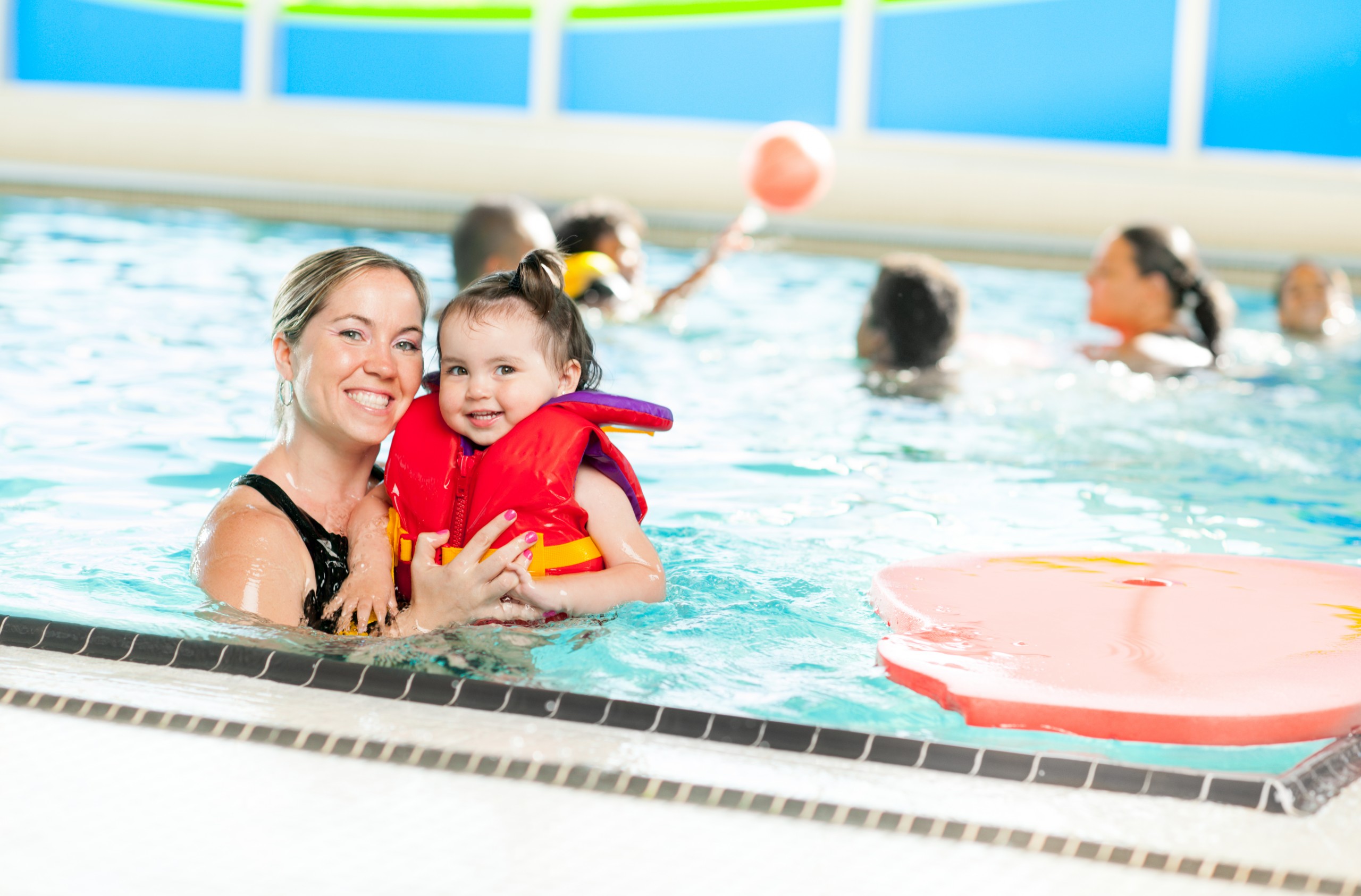
Children should always wear a properly fitted U.S. Coast Guard-approved life jacket during boating or open water activities. Do not rely on water wings, inflatables, or pool noodles as life-saving devices or substitutes for supervision.
Protecting Our Community Together
During Drowning Impact Awareness Month and throughout the year, investing time in the ABCD steps ensures that every poolside or lakeside occasion ends with joyful memories.
Every Arizona family deserves safe summers. By practicing the ABCDs, communities can collectively protect swimmers from the risk of drowning.
Local Arizona Water Safety Resources
If you’re searching for local swim programs, CPR certification, or safety guidelines, these community resources are available to support you:
- Phoenix Children’s Hospital Water Safety Program
- Municipal Aquatic Centers: Look online for affordable swimming lessons and safety clinics in your city.
- YMCA Swim Classes: Year-round youth swim lessons and water safety instruction at YMCA locations statewide. Visit your local YMCA, YWCA Metro Phoenix, or YMCA Southern Arizona online for more information.
- Centers for Disease Control Foundation (CDCF): Webinar on Drownings, Thursday, August 20, 2026, at 10:00 a.m. (MST). Register now!
- Child Fatality Review Report: Data, community guidance, and statewide prevention initiatives.
Read More Here