
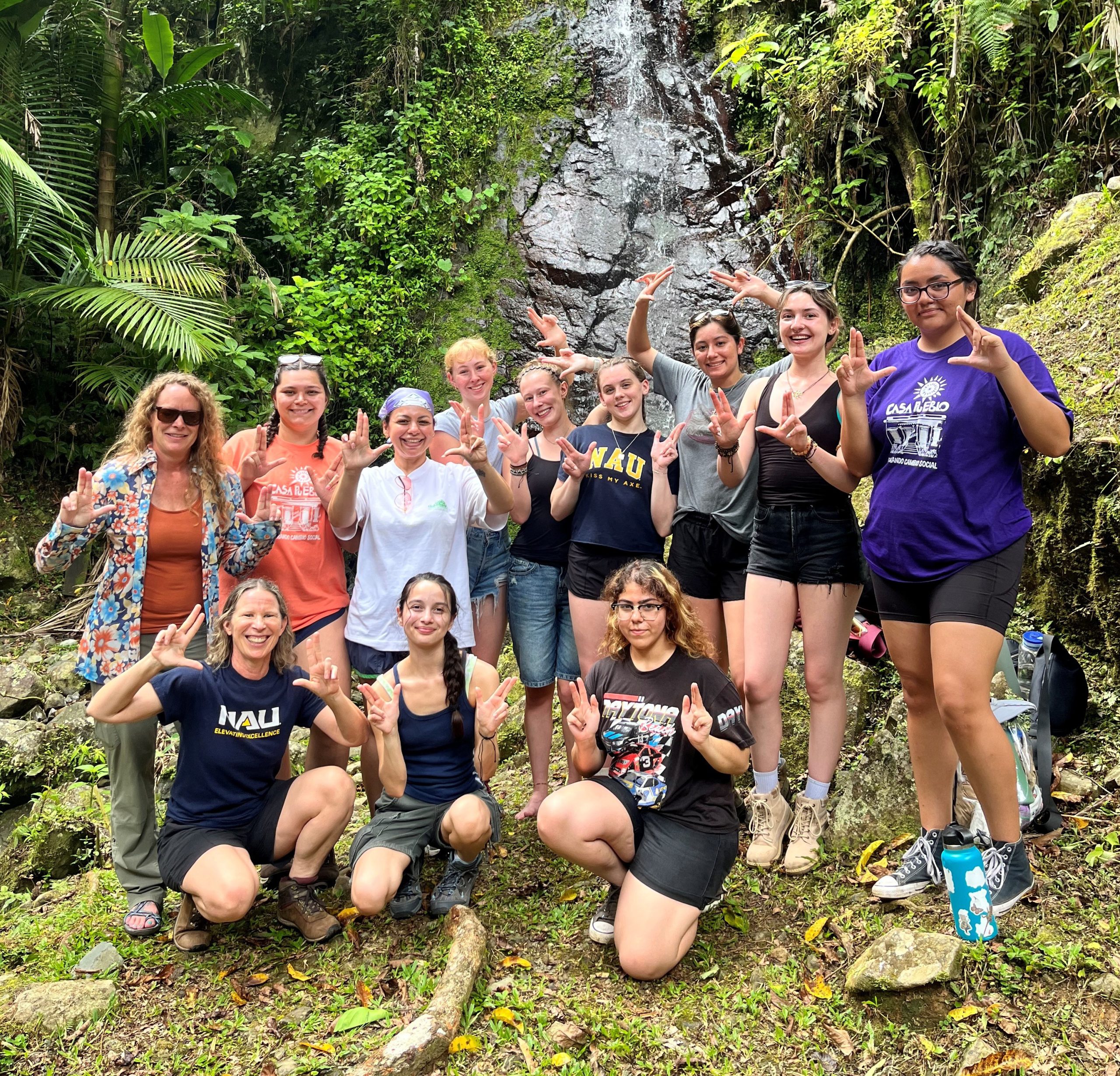
Travel often provides more than just a chance to see new places; it offers an opportunity to connect with diverse cultures and gain insights into the world’s complexities. This summer, a group of Lumberjacks from Northern Arizona University (NAU) embarked on a transformative journey through the Global Citizens Project Scholars (GCPS) program, exploring Italy, Ecuador, and Puerto Rico.
The GCPS program, initiated in 2022 by NAU’s Honors College and Economic Policy Institute (EPI), aims to broaden global experiences for undergraduate students, especially those who might not typically have the chance to travel beyond the continental U.S. This year, the program introduced Puerto Rico as a new destination.
“GCPS is open to Pell-grant-eligible, first-generation, Indigenous and honors students in the Yuma and Flagstaff mountain campuses,” explained Angelina Palumbo, director of business and educational partnerships at the Center of International Education. “The program helps students understand their place in the world by examining their identity through both personal and external lenses.”
The Puerto Rico segment saw students engaging with the island’s rich cultural tapestry after completing six weeks of online study. Ten undergraduates from various disciplines participated, immersing themselves in local traditions and communities.
“We chose Puerto Rico this summer to provide access,” Palumbo noted. “It offers a unique cultural experience without needing a passport. Students explored colonialism’s impact on the archipelago and the broader U.S., alongside its influence on local decision-making.”
Changing Perspectives
During their stay, students engaged with locals about topics like statehood and independence. Tianna Lyons, a sophomore in strategic communications, found these discussions eye-opening.
“Before arriving in Puerto Rico, many of us assumed that most Puerto Ricans wanted independence from the U.S.,” Lyons said. “However, while we were in Adjuntas, our tour guide shared his own perspective and explained that he did not want Puerto Rico to become independent. That moment reminded me that communities are not monolithic and that there are always multiple perspectives within any group of people.”
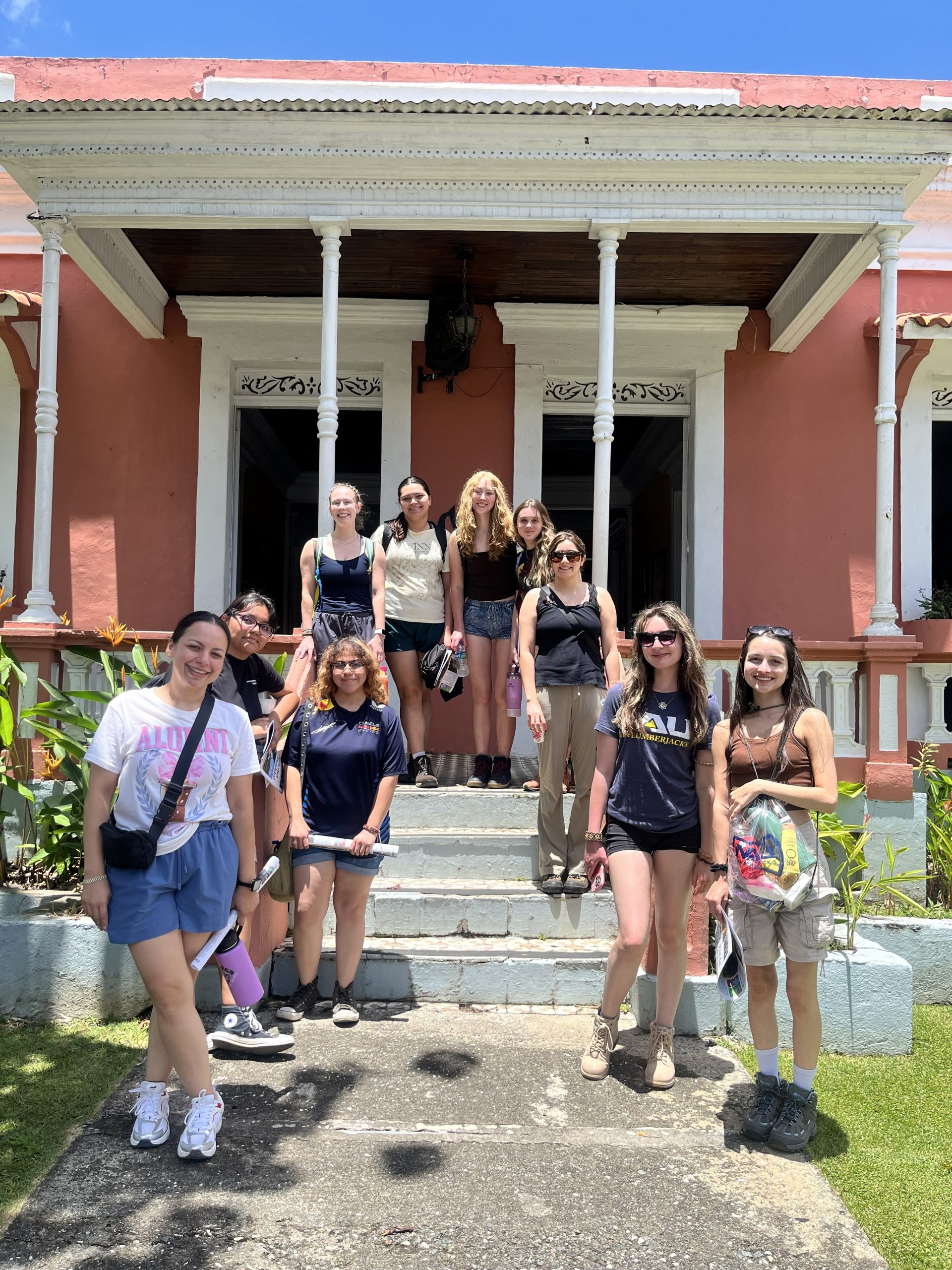 Moreover, the visit to Casa Pueblo in Adjuntas, an environmental community organization, left a significant impression. Casa Pueblo has achieved energy independence with solar panels and a microgrid, highlighting resilience and self-sufficiency. Students also participated in activities like coffee planting and exploring the bioluminescent bay in La Parguera.
“It was amazing to see students make the connection from pre-researching, reading books and watching documentaries to going and actually experiencing everything firsthand,” Palumbo shared. “The itinerary was crafted with assistance from Rima Brusi, professor in the Honors College, ensuring a cohesive learning experience.”
A One-of-a-Kind Mentor
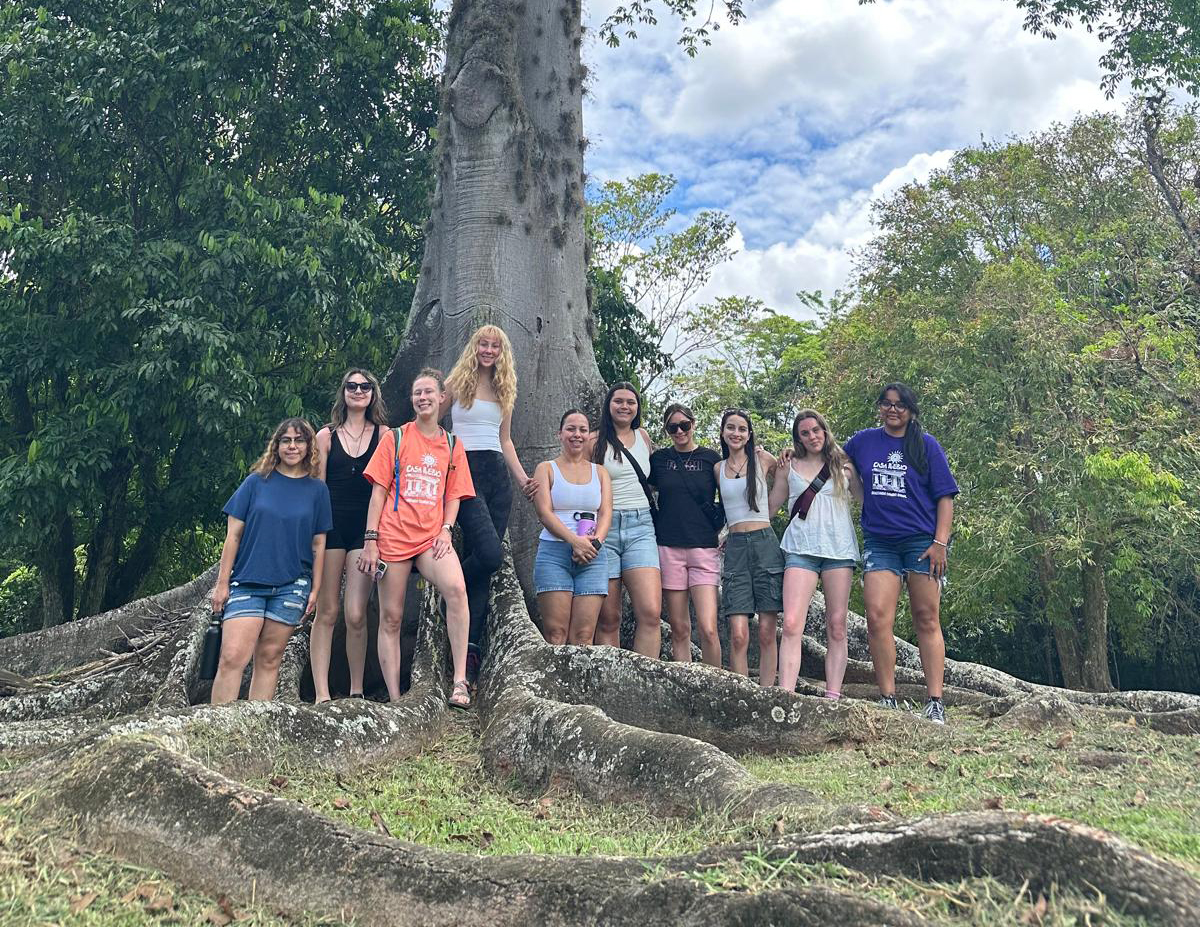 As part of the program, students selected a biological mentor from Puerto Rico through biomimicry, a practice that emulates nature to solve human challenges. Melissa Jurgensen, research associate at EPI, stated, “Biomimicry teaches us to learn from and respect the natural world, much like global citizenship encourages us to learn from diverse cultures.”
By observing local organisms, students learned about contributing to community resilience. This approach prompted them to view themselves as responsible participants rather than mere tourists.
Senior Bianca Gutierrez chose the Puerto Rican parrot as her mentor, drawing parallels between its communication skills and her future career in counseling. Meanwhile, Lynnae Horinek selected the Tabonuco tree, which inspired her to value collaboration and community strength.
Lessons Learned
 Returning from Puerto Rico, students reported a broadened understanding of cultural and environmental dynamics. “As a Native American student, I had never traveled this far from home before,” Lyons reflected. “Experiencing another culture firsthand was both exciting and insightful. The lessons I learned in Puerto Rico continue to resonate, and I believe others would benefit from similar opportunities.”
For more information on the GCPS program, visit their website. Applications for the 2027 GCPS program visiting Italy, Ecuador, and Vietnam close on November 1. Interested students can apply through the GCPS website.
Read More Here



Comments are closed.