
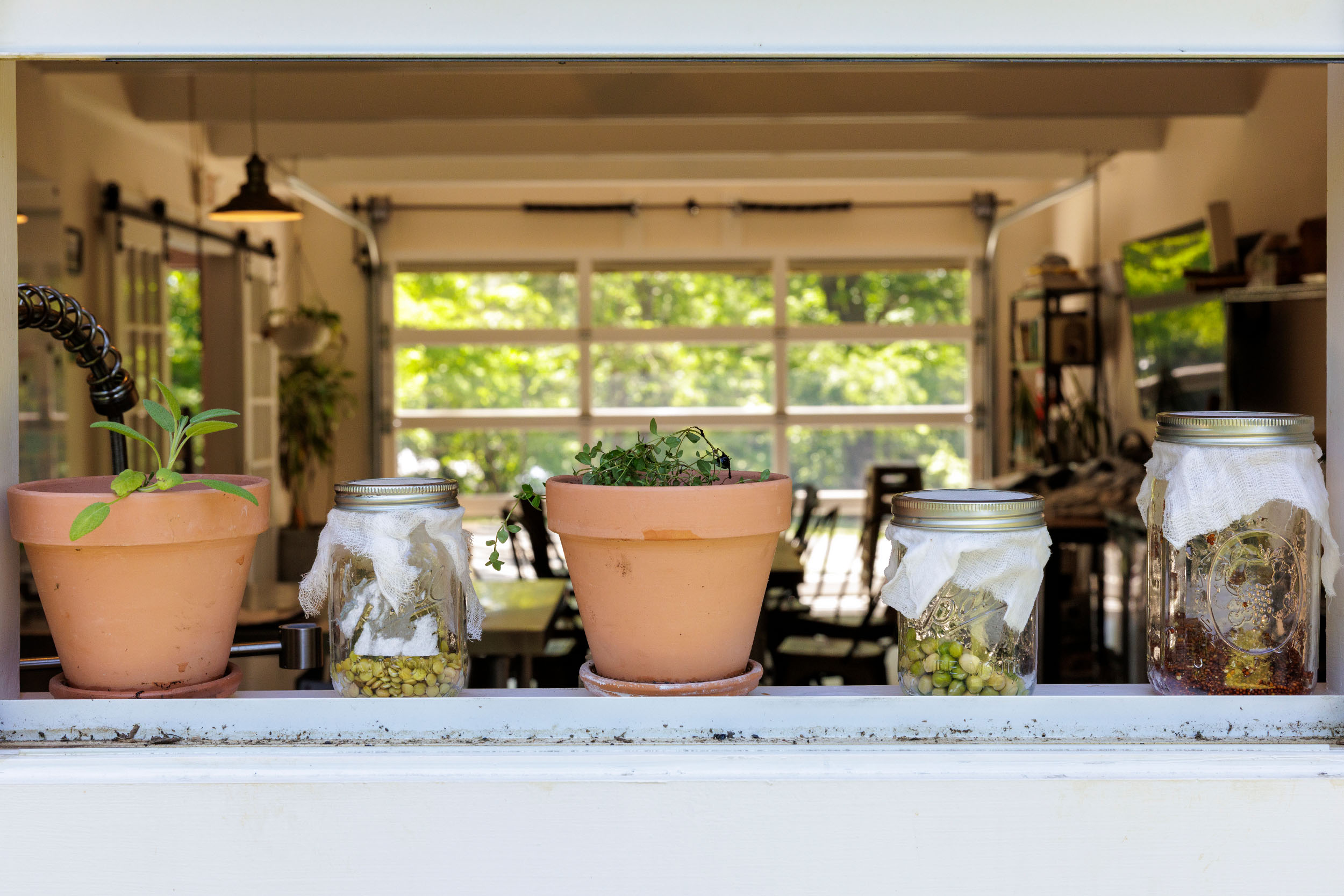
Transforming a sunny windowsill into a thriving garden is more accessible than you might think. According to Fiona Flynnmoore, manager of the Morven Kitchen Garden at the University of Virginia’s Morven Sustainability Lab, an expansive backyard is not a prerequisite for growing fresh produce.
“A windowsill garden is a fantastic option for beginners, or even experienced gardeners who enjoy having a pretty windowsill to look at and fresh ingredients literally at their fingertips,” Flynnmoore said.
Flynnmoore’s expertise stems from her role at Morven, where she manages a diverse ecosystem of fruits, vegetables, chickens, beehives, and even a mushroom yard. She coordinates a student farm crew, organizes educational activities, and oversees a community-supported agriculture program. Her passion for gardening started in her childhood, trailing her mother through their California garden, and now she shares that enthusiasm with others, showing that even a jar on a windowsill can become a garden.
Here are Flynnmoore’s tips on starting your own windowsill garden:
Start Small
Begin with simple plants like herbs, sprouts, or leafy greens. Dill, parsley, arugula, spinach, and sprouts are all suitable for a sunny windowsill.
Flynnmoore’s favorite plant for beginners?
“Sprouts,” she said. “Nothing like making myself a gorgeous hummus and sprouts bagel just like they make at Bodo’s, but at home!” Sprouts are particularly beginner-friendly as they don’t require soil.
Choose the Right Container
Proper drainage is crucial for potted herbs or greens. Flynnmoore prefers pots with holes to prevent water accumulation. She notes that overwatering is a common mistake because signs of overwatering and underwatering can appear similar.
“I think there’s probably something about human psychology, like I feel I need to take action, and so I water it again when it actually just needs to be left alone to dry out for a bit,” she said. Terracotta or other unglazed pots are ideal as they allow moisture to evaporate.
Use Good Potting Soil
For container gardening, opt for potting mix rather than outdoor soil, as roots need air between soil particles to grow and breathe. After planting, water deeply until water drains from the bottom, then let the plant adjust.
“The No. 1 cause of death of a new seedling is rapid dehydration,” Flynnmoore said. Initially, water lightly daily for the first week. Subsequently, most windowsill plants thrive with watering once or twice a week.
Try Sprouts in a Jar
To grow sprouts, start with organic seeds or beans, as some conventionally grown seeds are treated to prevent sprouting. Place a small number of seeds in a mason jar—about a third of a cup for a quart-size jar or an eighth of a cup for a smaller one. Cover with water and soak overnight. Then, drain and cover the jar with a breathable material like cheesecloth, secured with a ring or rubber band. Rinse the seeds three times daily.
“Normally, when you put something that’s food and wet at room temperature, what happens? It spoils,” Flynnmoore said. “So, we don’t want them to spoil, and the way we do that is by constantly washing the bacteria off of them with clean water.” Depending on the seed and temperature, sprouts are ready to eat in three to four days.
Learn from the Plant
Many people claim to have a “brown thumb,” but Flynnmoore disagrees. “You don’t sit down at an instrument for the first time and expect to play a sonata,” she said. “It’s the same with gardening. Practice makes perfect.”
She advises spending 10 minutes researching the plant you want to grow, using reputable local sources, and understanding the plant’s preferences. For instance, basil dislikes water on its leaves, while kale is more tolerant.
Read More Here






![Robert Harmon Celebrates 99th Birthday at UVA’s Homecomings Weekend[embed]https://www.youtube.com/watch?v=c_VPFnE8x-w[/embed]](https://realnewsfast.com/wp-content/uploads/2026/10/Robert-Harmon-Celebrates-99th-Birthday-at-UVAs-Homecomings-Weekendembedhttpswwwyoutubecomwatchvc_VPFnE8x-wembed-300x200.jpg "Robert Harmon Celebrates 99th Birthday at UVA’s Homecomings Weekend[embed]https://www.youtube.com/watch?v=c_VPFnE8x-w[/embed]")
![Environmental Opera “Auksalaq” Opens UVA’s Arts on the Hill Series[embed]https://www.youtube.com/watch?v=PjYuP9wh3Hw[/embed]](https://realnewsfast.com/wp-content/uploads/2026/10/Environmental-Opera-Auksalaq-Opens-UVAs-Arts-on-the-Hill-SeriesembedhttpswwwyoutubecomwatchvPjYuP9wh3Hwembed-300x200.jpg "Environmental Opera “Auksalaq” Opens UVA’s Arts on the Hill Series[embed]https://www.youtube.com/watch?v=PjYuP9wh3Hw[/embed]")
![New documentary explores Elizabeth Holmes’ final days before prison[embed]https://www.youtube.com/watch?v=GGJSRFWALTI[/embed]](https://realnewsfast.com/wp-content/uploads/2026/10/New-documentary-explores-Elizabeth-Holmes-final-days-before-prisonembedhttpswwwyoutubecomwatchvGGJSRFWALTIembed-300x200.jpg "New documentary explores Elizabeth Holmes’ final days before prison[embed]https://www.youtube.com/watch?v=GGJSRFWALTI[/embed]")