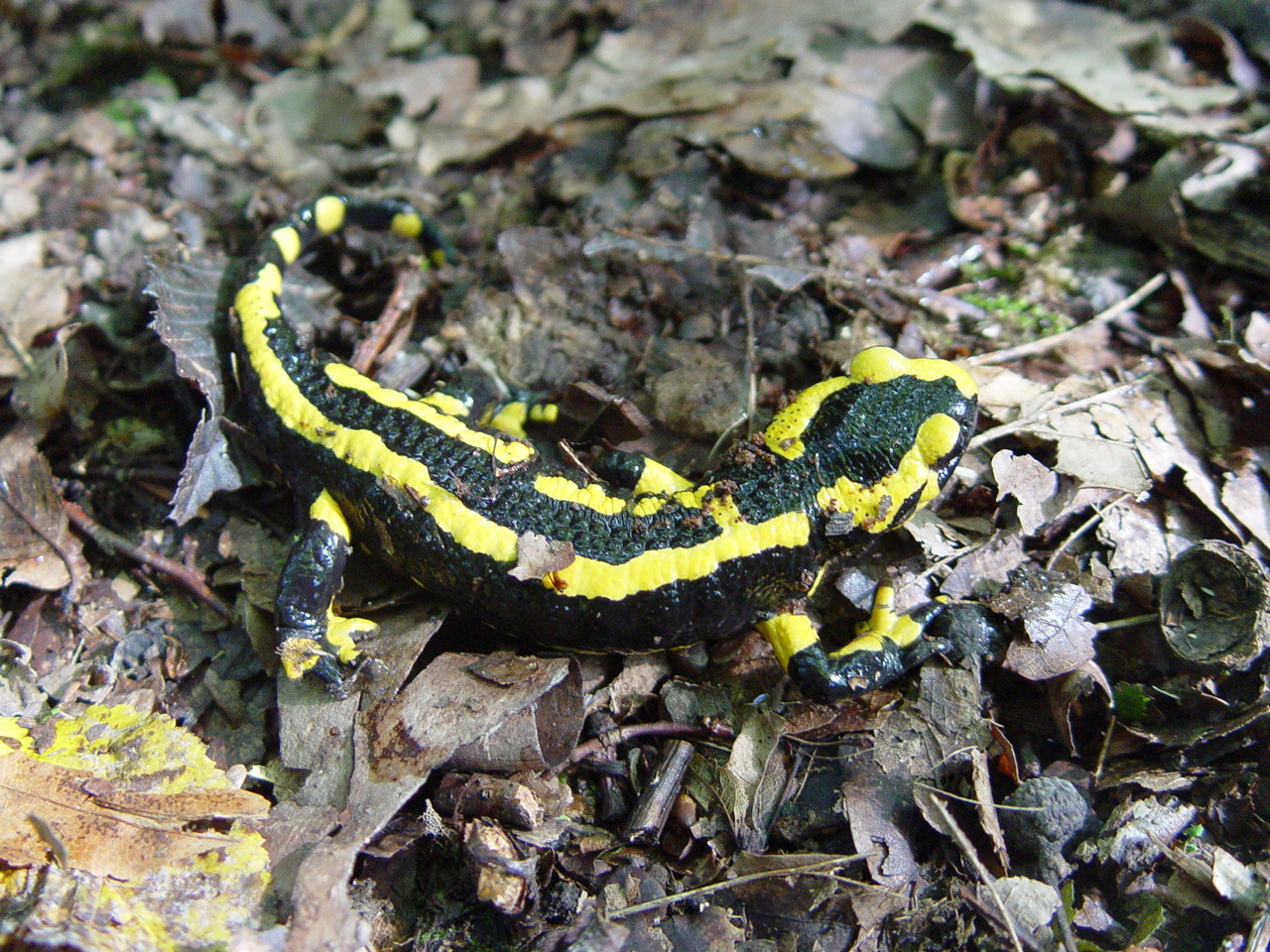
Climate Change Drives Local Extinctions: New Insights on Temperate and Tropical Species
Revisiting a beloved hiking trail after 15 years only to find that many of its native plants and animals have vanished is a stark reminder of how climate change is reshaping ecosystems worldwide. While these species may still thrive elsewhere, such local extinctions underscore the profound impact of climate change on biodiversity.
Researchers from the University of Arizona analyzed over 5,100 plant and animal species globally, including numerous moths, beetles, fishes, birds, mammals, amphibians, and nearly 3,000 plant species, to assess the extent of local extinctions driven by recent climate change.
Their study, published in Nature Climate Change, reveals that 49% of temperate species have experienced local extinction at the hottest parts of their ranges, in contrast to 33% of tropical species.
This comprehensive research drew from biodiversity surveys conducted at nearly 40,000 sites globally, comparing historical records with recent surveys, marking it as the largest analysis of its kind.
“For decades, scientists generally believed that temperate species were less vulnerable to climate change,” explained Gopal Murali, the study’s lead author and former postdoctoral scholar at the University of Arizona. “We were surprised by our results, which showed that was not the case.”
While many tropical species such as this Asian Tree Frog are threatened by climate change, species in temperate regions are affected by local extinction to an even greater degree, according to the new study.
The study’s findings were consistent across various organism groups, including insects, vertebrates, plants, and both marine and freshwater species.
“I actually published a study of 976 species in 2016 using the same type of data that showed the exact opposite pattern, with more local extinction among tropical species,” noted John Wiens, the paper’s senior author and a professor in the University of Arizona’s Department of Ecology and Evolutionary Biology in the College of Science. “That’s part of why we were so surprised.”
To decipher this unexpected pattern, the researchers examined multiple climate-related factors, such as long-term warming trends, changes in rainfall, drought conditions, and heat waves, while excluding sites affected by non-climatic stressors like deforestation.
The primary explanation for the patterns observed is that temperate regions are experiencing faster warming compared to tropical regions.
“The world has changed since 2016,” Wiens remarked. “There’s been more heating in the temperate zone, especially at higher latitudes, and it’s possible that the pattern has simply flipped in recent decades, and that helps explain the reversal in findings. For animals, we did not find that tropical extinctions were less common than we thought before. Instead, we found that temperate extinctions had outpaced tropical extinctions.”
Temperatures in tropical regions increased by a maximum of 3.3 degrees Fahrenheit over a 25-year period, while temperate regions saw an increase of about 6 degrees Fahrenheit.
Scientists had long believed that tropical species would be more susceptible to climate change due to their stable year-round temperatures, suggesting less tolerance for temperature fluctuations compared to temperate species. However, the study found that temperate species are just as sensitive to rising temperatures.
“While faster warming in temperate regions appears to be the primary driver of local extinctions, we also found that temperate species are at least as sensitive to rising temperatures as tropical species,” Murali explained.
This dead alligator juniper (Juniperus deppeana) from near Bisbee, Arizona is one of the temperate species included in the study that has experienced climate-related local extinctions.
Local extinctions observed in the study do not imply the complete extinction of species but indicate that populations cannot survive under changing environmental conditions. Such losses across a species’ range could lead to total extinction.
“People often think that a species will simply move into cooler areas as the climate warms, but we found that more than 70% of the species were not doing so,” Wiens highlighted. “Essentially, the life and death of the majority of species may be determined by these local extinctions and whether local populations can survive in place or not.”
For some species, relocating to cooler habitats is not feasible due to barriers like highways, cities, or specific water bodies. In mountainous areas, species can move uphill, but they may eventually run out of space.
In places like Mount Lemmon near Tucson, observers can see the dead trunks of tree species that once thrived at lower elevations but now only exist at higher altitudes, Wiens noted.
The study also uncovered differences in extinction patterns between tropical and temperate species. In tropical regions, extinctions were concentrated at the warmest parts of each species’ range. In temperate areas, however, extinctions occurred more broadly throughout each species’ range.
“In the past, we have been laser-focused on the warmest areas,” Wiens explained. “But it turns out that nowhere is really safe for populations of many temperate species.”
Across all studied species, 45% had experienced local extinction at the warmest part of their range, with some groups, including insects, terrestrial vertebrates, and marine species, exceeding 50%.
These findings have significant implications for conservation efforts. While tropical species were previously thought to face the greatest threat from climate change, the study suggests that temperate species may also be in greater danger.
The research emphasizes that these findings are based on observable changes, not future projections. “People often think climate change is something that will affect species in the future,” Murali said. “But for both tropical and temperate species, we’re already seeing the effects. The patterns we documented show that biodiversity is already changing in ways we are still working to understand.”
Read More Here







![Casey Scharf’s Journey: From UVA to Filming with Bill Murray[embed]https://www.youtube.com/watch?v=G-oCpAnX_ic[/embed]](https://realnewsfast.com/wp-content/uploads/2026/10/Casey-Scharfs-Journey-From-UVA-to-Filming-with-Bill-MurrayembedhttpswwwyoutubecomwatchvG-oCpAnX_icembed-300x200.jpg "Casey Scharf’s Journey: From UVA to Filming with Bill Murray[embed]https://www.youtube.com/watch?v=G-oCpAnX_ic[/embed]")