

Pope Leo XIV’s Encyclical: A Call for Humanity in the Era of AI
In an era defined by rapid technological advancements, Pope Leo XIV released his first papal encyclical titled “Magnifica Humanitas: On Safeguarding the Human Person in the Time of Artificial Intelligence” on May 25, 2026. The letter serves as a profound reminder of the importance of preserving human virtues amid the sweeping changes brought by AI and digitalization.
The presentation of “Magnifica Humanitas” took place in Rome on May 25, 2026.
The document spans 42,000 words and is divided into five chapters that delve into Church teachings on technology, responsibility, and the preservation of humanity. Pope Leo emphasizes, “Technology should not be considered, in itself, as a force antagonistic to humanity. On the contrary…” urging society to harness technology for the good.
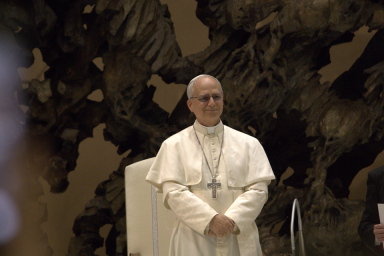
Pope Leo XIV’s first papal encyclical addresses preserving “magnificent humanity” in our technological world.
Understanding Papal Encyclicals
Popes have historically used encyclicals, or “circulating letters,” to convey doctrine and guidance on pressing issues. Since the mid-18th century, over 300 such letters have been written, with some focusing on social concerns through the lens of Catholic Social Teaching. Notable examples include Pope Saint John Paul’s 1987 encyclical on international inequality and Pope Francis’ 2015 letter on environmental care.
Patrick Brennan, JD, from Villanova University, noted on LiveNow From Fox that these documents aim to address “important social questions in ways that any person of goodwill can read and understand.”
Sally Scholz, PhD, highlighted in her Church Life Journal article that encyclicals guide interpersonal interactions and participation in social existence.
AI and Human Dignity
Pope Leo’s encyclical addresses the transformative impact of technologies like AI, echoing themes found in previous social encyclicals. Sister Ilia Delio remarked that technology is integral to human evolution, emphasizing its role in shaping society.
Pope Leo warns against allowing technology to undermine human dignity and moral responsibility. Jaisy Joseph, PhD, from Villanova University, was particularly struck by insights shared at the letter’s promulgation, where Anthropic co-founder Christopher Olah emphasized the need for humanities, religion, and society to guide AI’s ethical development.

Concerns around unregulated artificial intelligence are discussed in “Magnifica Humanitas.”
Augustinian Influence
St. Augustine’s teachings heavily influence Magnifica Humanitas. Terence Sweeney, PhD, from Villanova, highlighted the encyclical’s call for standards to guide judgments in the age of AI. Pope Leo emphasizes social justice through the treatment of migrants and refugees, drawing on Augustine’s rejection of exclusive communities.

Pope Leo XIV, the first Augustinian to be elected to the papacy, invoked St. Augustine’s teachings throughout his newly-released letter.
Acknowledging Past and Present
In addressing modern slavery, Pope Leo also acknowledges the Church’s historical role in the transatlantic slave trade. Tia Noelle Pratt, PhD, from Villanova, noted the significance of this recognition, which differs from previous papal addresses that focused on individual actions rather than institutional responsibility.
Pope Leo warns against repeating past mistakes, linking historical injustices to modern affronts to human dignity exacerbated by the digital economy.
Honoring Rerum Novarum
Signed on the anniversary of Pope Leo XIII’s Rerum Novarum, Magnifica Humanitas draws inspiration from its predecessor while addressing contemporary issues. Pope Leo XIV acknowledges the need for wisdom to interpret current technological trends, emphasizing the Church’s role in defending human dignity in the face of AI’s challenges.
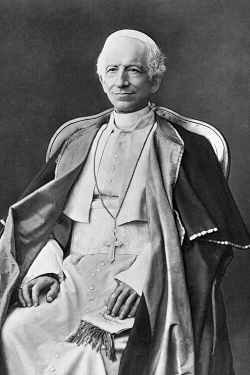
Pope Leo XIV’s “Magnifica Humanitas” was signed on May 15, in honor of his namesake Pope Leo XIII’s “Rerum Novarum.”
Read More Here









Comments are closed.