
North Carolina is charting a new course for economic development with the unveiling of the “First in Opportunity” Strategic Economic Development Plan. Spearheaded by Governor Josh Stein and the NC Department of Commerce, this comprehensive strategy aims to bolster the state’s economic growth, competitiveness, and opportunities across all regions.
A Vision for Statewide Economic Growth
The “First in Opportunity” Plan is designed to ensure North Carolina stays competitive while fostering opportunities throughout the state. Governor Josh Stein emphasized, “As our state continues to grow, we must invest in our public schools and workforce development efforts, attract and sustain thriving businesses, and drive economic success for all our people.”
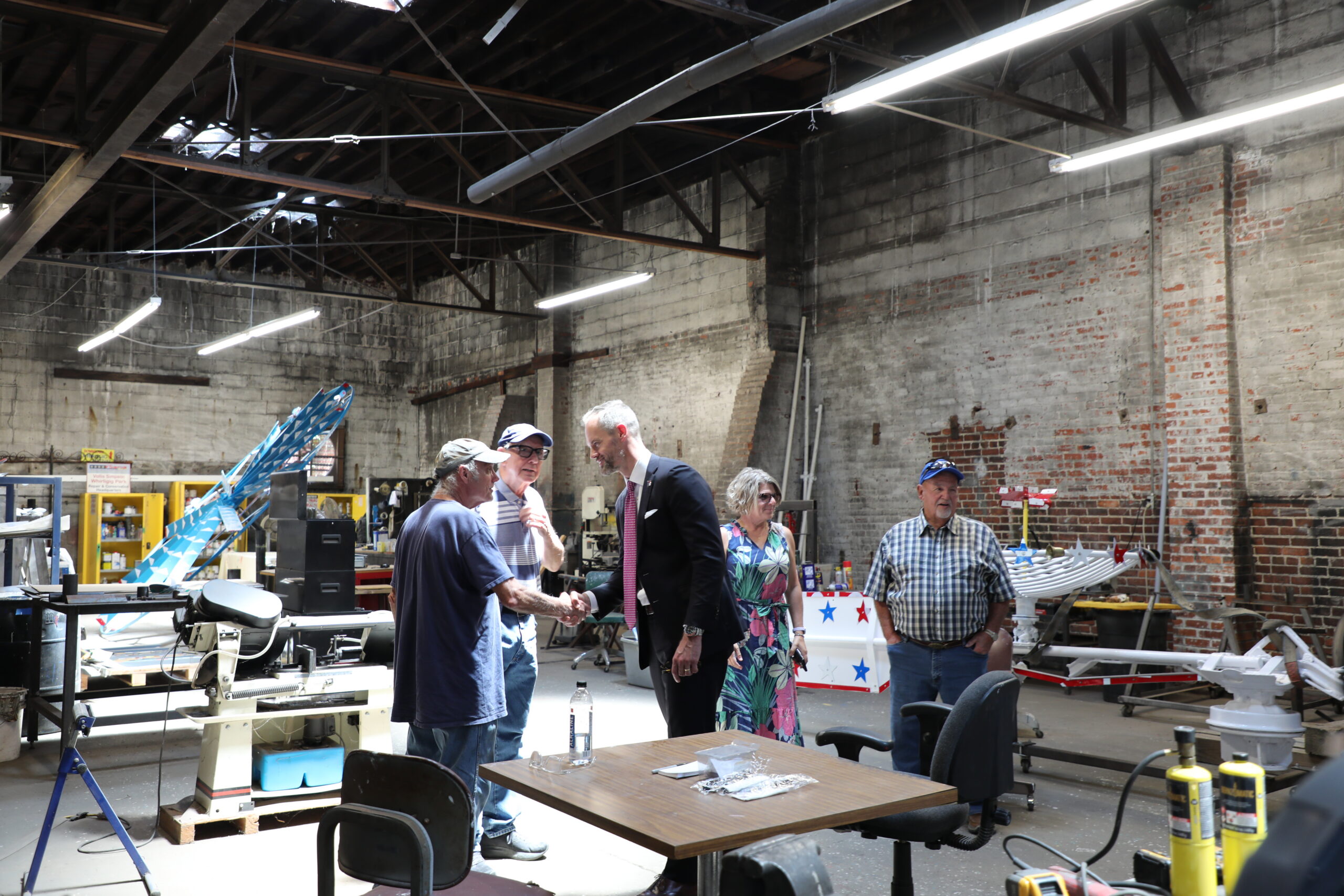
This week, significant attention was dedicated to rural community investments, as Secretary Lee Lilley and Assistant Secretary Reginald Speight visited Wilson, highlighting the role of downtown revitalization, tourism, and infrastructure improvements in driving local economic growth.
Strategic Goals and Implementation
The plan sets a cohesive four-year vision for statewide economic development, building on the 2021 “First in Talent” strategy. It broadens the focus to address contemporary economic factors through a holistic approach. “The ‘First in Opportunity’ Plan challenges us to develop a dynamic and durable workforce, strengthen infrastructure, spur innovation and entrepreneurship,” stated NC Commerce Secretary Lee Lilley.
Key components of the plan include:
- Enhancing infrastructure to boost resilience, connectivity, and growth.
- Advancing economic competitiveness by nurturing innovation ecosystems and supporting globally competitive industries.
- Improving community well-being by increasing access to housing, child care, and health care.
- Developing a future-ready workforce through coordinated educational and economic systems.
Engagement and Collaboration
The plan’s development involved extensive stakeholder engagement and collaboration with diverse community input. “Economic development is increasingly competitive, and companies are looking for states that are planning for long-term growth,” noted Christopher Chung, CEO of the Economic Development Partnership of North Carolina.
Governor Stein and Secretary Lilley established a Strategic Economic Development Plan Steering Committee, encompassing leaders from various sectors, to guide the plan’s formation. The University of North Carolina at Chapel Hill School of Government’s ncIMPACT Initiative facilitated community engagement, conducting nine public listening sessions.
Local Impact and Future Prospects
The visit to Wilson showcased successful rural economic development derived from strategic collaboration and investment. Mayor Carlton Stevens remarked on Wilson’s growth, crediting “intentional investment in our downtown, small businesses, tourism assets, workforce development and training programs, and community infrastructure.”
Projects highlighted during the visit, such as the Vollis Simpson Whirligig Park and the Pine Nash Redevelopment, demonstrate the impact of state rural economic development programs. These initiatives have been crucial in supporting downtown infrastructure and business expansion in Wilson.
Wilson County’s emergence as a life sciences hub, facilitated by long-term investments in infrastructure and workforce training, underscores the plan’s focus on sustainable and community-driven growth. “Wilson is an example of what successful rural economic development looks like in North Carolina,” said Reginald Speight, underscoring the collaboration between local leadership, community partners, and the state.
The event included participation from state, regional, and local leaders, including representatives from the Department of Commerce, the Rural Economic Development Division, and the Economic Development Partnership of North Carolina.
Read More Here


Comments are closed.