![STEM Educators and Students Train for Moon Missions in Nevada Desert[embed]https://www.youtube.com/watch?v=r9TZJhEHuu4[/embed]](https://realnewsfast.com/wp-content/uploads/2026/07/STEM-Educators-and-Students-Train-for-Moon-Missions-in-Nevada.jpg "STEM Educators and Students Train for Moon Missions in Nevada Desert[embed]https://www.youtube.com/watch?v=r9TZJhEHuu4[/embed]")
From Nevada’s Desert to the Moon: Preparing Educators for Space Exploration
In an unprecedented opportunity, educators and students are stepping into the shoes of astronauts, training for lunar missions at the Nevada National Security Site (NNSS). This initiative, which mirrors the training of NASA’s Artemis IV mission astronauts, is not just about preparing for the moon but also about bringing space science directly into classrooms.
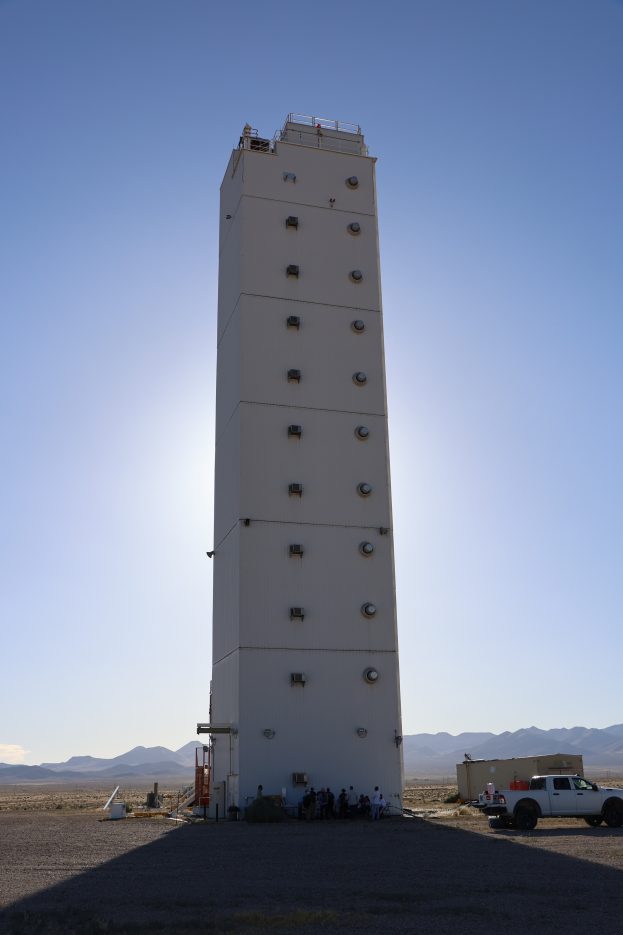
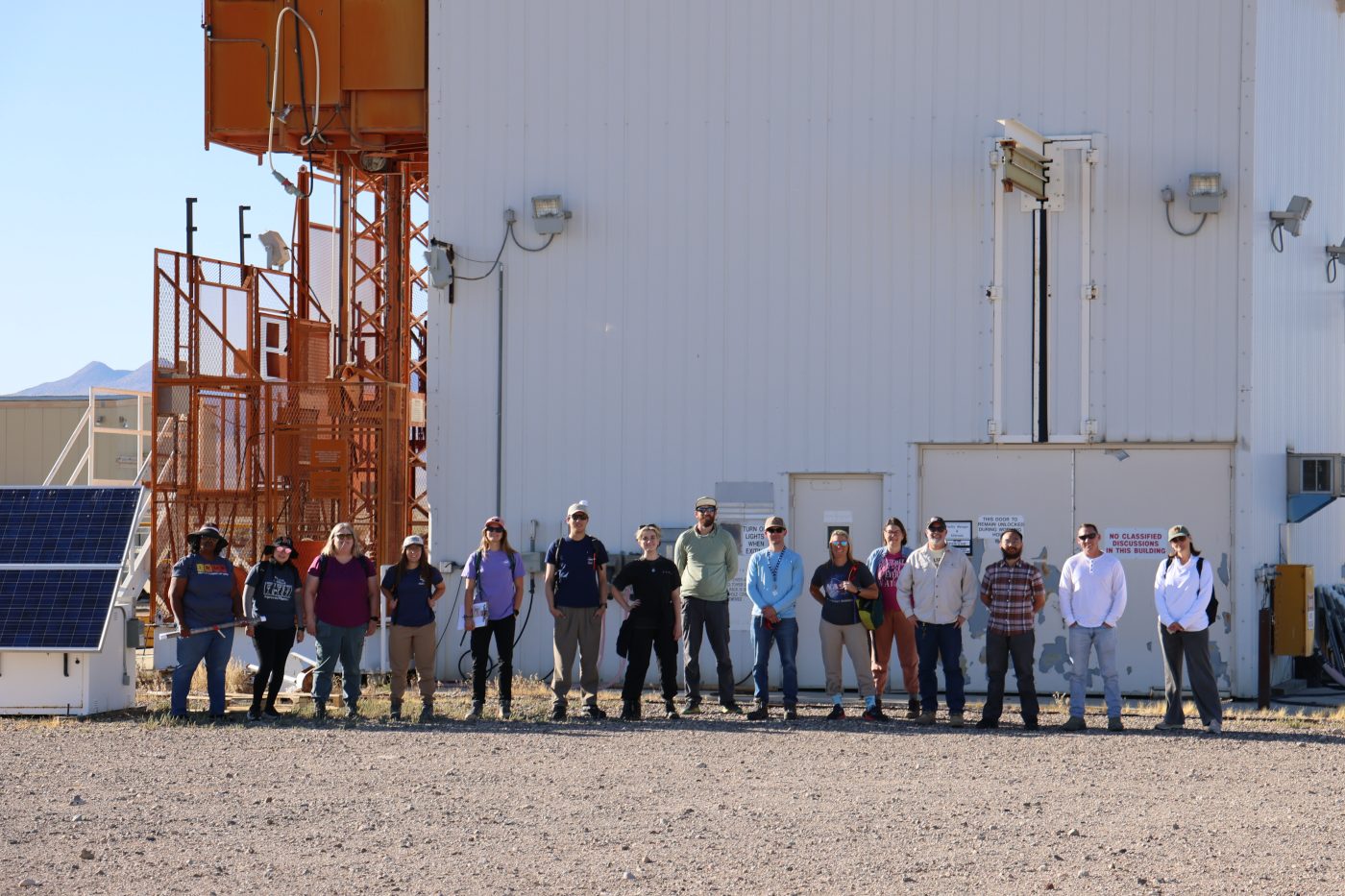
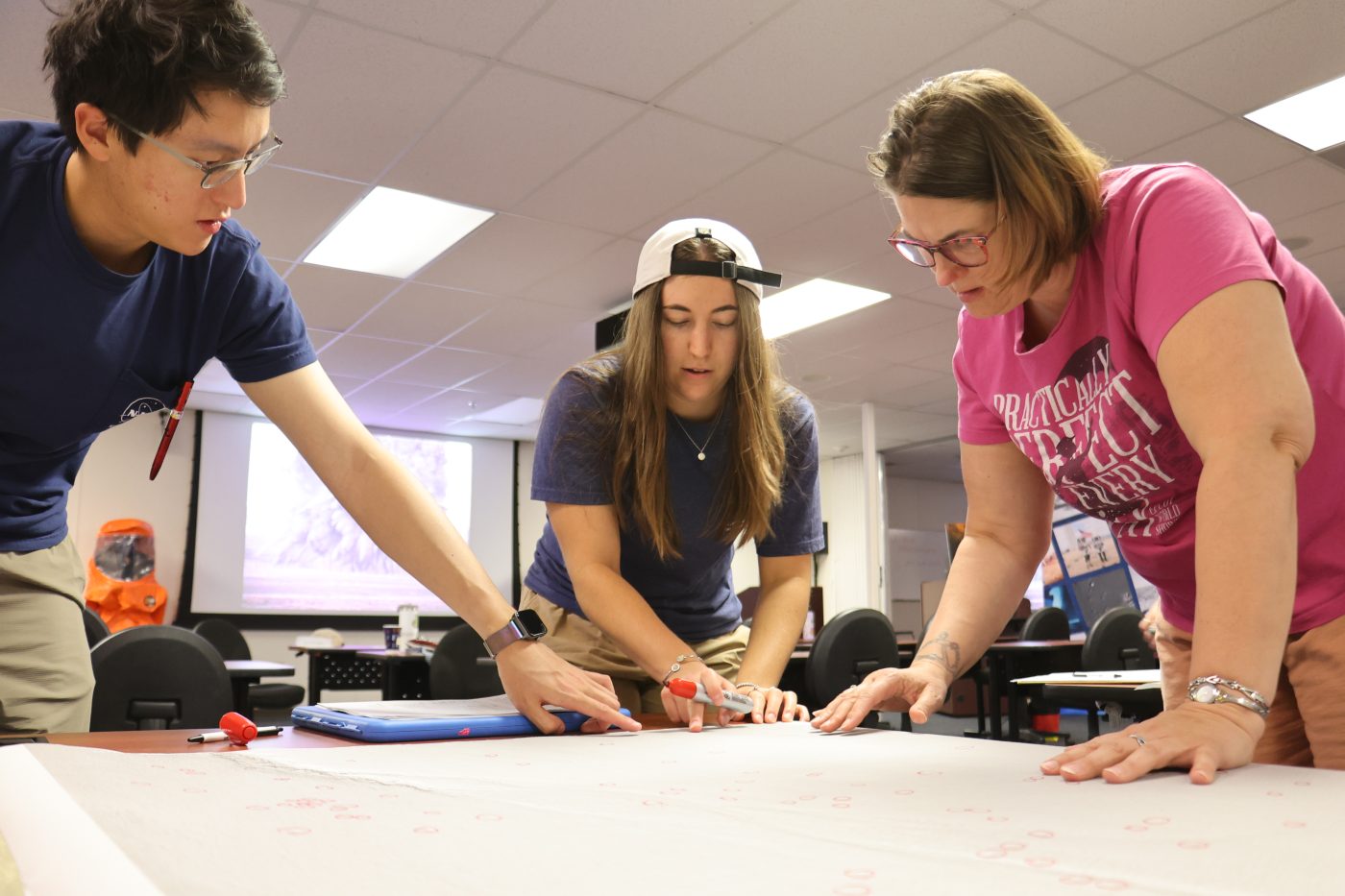
The Nevada Space Proving Grounds (NSPG) hosted a unique event inviting 12 STEM teachers from the Clark County School District (CCSD) and three students from Georgia Tech. This three-day, two-night Lunar Surface Operations Course (LSOC) was organized in partnership with the University of Nevada, Las Vegas (UNLV) and aimed to enhance STEM education in Southern Nevada by translating advanced lunar science into practical learning experiences.
Experiential Learning in a Simulated Lunar Environment
Created by NNSS Principal Scientists Nick Downs and Bryan Eleogram, the LSOC is a comprehensive field course focused on experiential learning. Participants engaged in a rigorous schedule, with 80% of the course dedicated to fieldwork, including navigating challenging terrains that emulate the moon’s geological features. They covered approximately two miles, tackling various craters and rocky landscapes, similar to those astronauts will encounter.
The course emphasized understanding lunar cratering styles, integrating remote sensing into field activities, and mastering sound sampling and navigation techniques. “We understand how important science education is,” explained NNSS’s Kevin Reuwer. “We want teachers to share what they learn here with their students—future astronauts.”
An Immersive Training Experience
Participants lived the astronaut life, starting their days at 5:30 a.m. and extending into the night. Staying onsite in NNSS dorms, they minimized travel time—critical with the site located about 65 miles north of Las Vegas. The course included nighttime field exercises using the “Lunar Dominator 800,000,” an 800,000-lumen simulator, to recreate a lunar environment.
Jennifer Phillips, a participant, shared her experience, saying, “My favorite [experience] had to have been the night walk hike. It was just so cool seeing that. I’ve seen pictures, but to experience it, it’s like… oh wow, that’s what they’re going to see when they get to the moon.”
Another participant, Bella Diedrich, was fascinated by the geological aspects, stating, “For me, Schooner [crater] was just incredible. Learning about ejecta fields is really new to me and my understanding of the geology.”
Impacting Future Generations
The course concluded with a review session, awards, and a social gathering in Las Vegas. Participants left equipped to inspire their students with real-world planetary science and the excitement of the Artemis missions. This initiative by NNSS and its partners is a step towards cultivating the next generation of scientists and explorers, ensuring that the knowledge gained from space missions is shared widely in educational settings.
Read More Here