As solar energy costs rise for Nevadans, recent policy changes are intensifying the situation. The Trump administration, in collaboration with Washington Republicans, has ended a long-standing program that offered financial incentives for residential rooftop solar panel installations. This move has left many residents hurrying to secure savings while they still can, as utility expenses continue to climb. The administration also withdrew a substantial $156 million grant aimed at reducing utility costs for low-income residents.
Adding to the impact, the Trump administration canceled a major solar project in Nevada. This initiative would have not only decreased energy costs but also powered two million homes and created 845 jobs for locals. Over 80,500 clean energy jobs have been either lost or postponed under current policies.
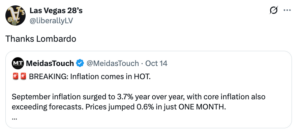
Nevada’s economy is feeling the effects, yet Governor Joe Lombardo has not publicly challenged these decisions. Instead, he has accepted Trump’s endorsement, remarking that the administration has generally “done good” during this term. Critics argue that Lombardo is taking undue credit for Democratic-led investments, despite his previous opposition.
Time-Sensitive Tax Savings
According to News 4, Nevadans have a limited window to benefit from federal tax savings for solar panel installations, now that the Trump administration has eliminated a tax credit that has been available since 2006. These credits, part of President Trump’s One Big Beautiful Bill, are set to expire at the end of 2025.
This expiration is likely to hinder the shift towards solar energy in the state, which had the highest number of tax returns claiming a residential clean energy credit in 2023. Kirsten Stasio, CEO of the Nevada Clean Energy Fund, emphasized the importance of these savings, which have historically covered about 30% of a solar system’s cost. “They’re really significant, they can cover 30% or more of the cost of rooftop solar systems,” Stasio commented. “We are disappointed that these federal tax credits are going away because many households in Nevada face significant costs on their utility bills.”
Read More Here