For the past six years, the City of Flint has been at the forefront of modernizing its water and wastewater systems. This transformative endeavor aims to enhance the reliability and efficiency of the infrastructure crucial to daily life in the community.
Significant Wastewater Overhauls
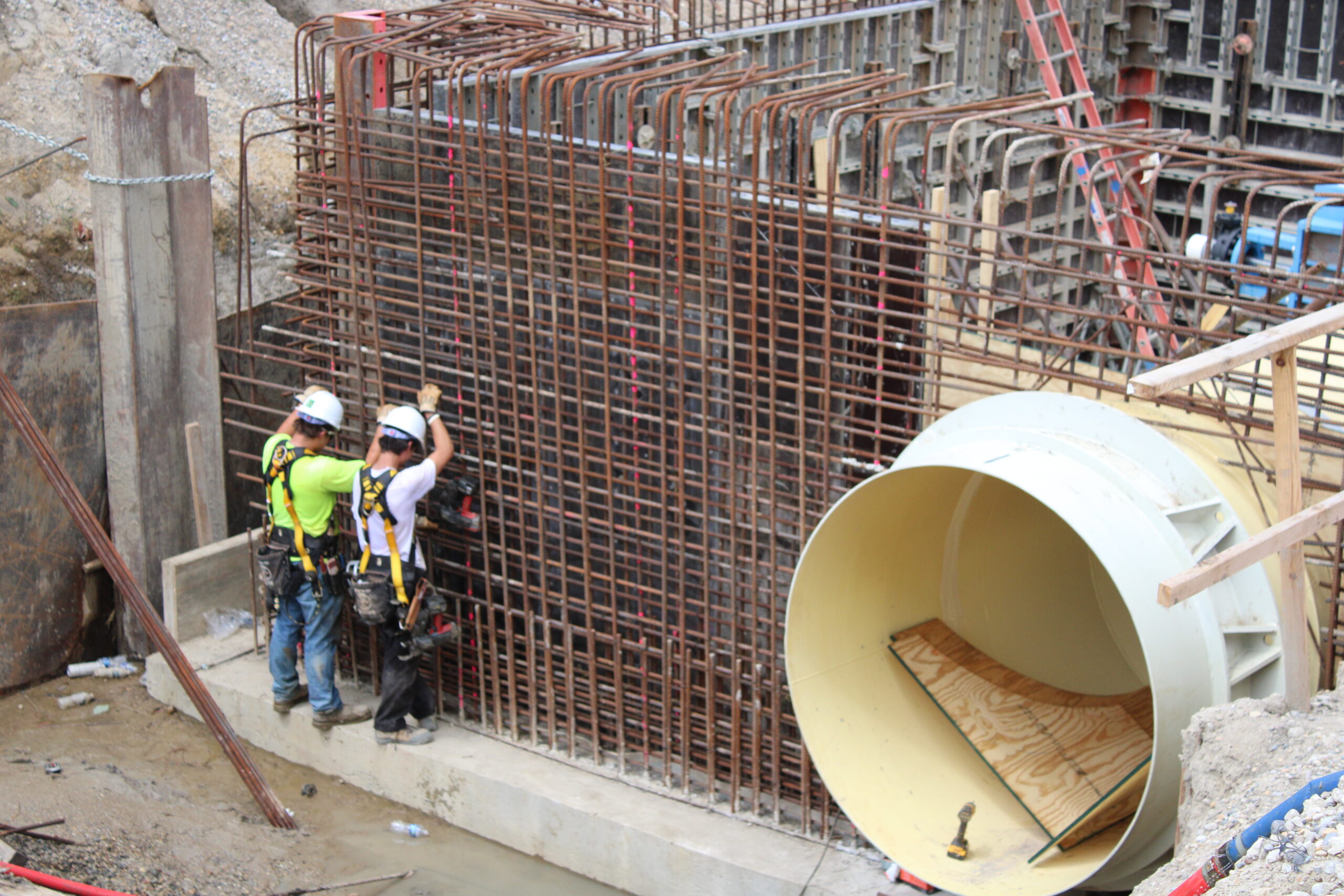
The Wastewater Treatment Plant in Flint has seen comprehensive upgrades, with major processes revitalized. A key component of this renovation was the rehabilitation of the 3rd Avenue Pumping Station and the force mains spanning 3.5 miles, which transport wastewater to the plant.
One notable advancement is the installation of new shut-off valves and access vaults, allowing maintenance teams to isolate one of the two force mains for repairs. This innovation mitigates the risk of service interruptions, as maintenance can occur without halting the entire system.
Moreover, a mile of the larger force main underwent cleaning, inspection, and the addition of a protective liner to prolong its service life and diminish the potential for failures.
The plant’s electrical control system has also been thoroughly upgraded, ensuring that essential equipment remains operational even during emergencies and power outages.
Revamping the Drinking Water System
Flint has not only focused on wastewater but also made substantial improvements to its drinking water infrastructure. The Cedar Street Reservoir, which holds 20 million gallons of water, underwent its most extensive inspection and refurbishment in decades. During this period, the Dort Highway Reservoir, with a similar capacity, acted as the backup, ensuring continuous water supply.
Upgrades at the Cedar Street Pumping Station include the installation of new pumps, valves, and electrical equipment, with the modernized infrastructure replacing equipment that dated back to 1948. Additional enhancements include the implementation of remotely operated sluice gates and an upgraded chlorine feed system for improved water quality control.
The total investment for these drinking water improvements amounts to $9.3 million, with $4 million directed towards the Cedar Street Reservoir and $5.3 million for the Pumping Station.
Commitment to Long-Term Infrastructure Development
Flint’s comprehensive infrastructure modernization strategy is a long-term commitment. It commenced with projects financed by grants and low-interest Clean Water State Revolving Fund (CWSRF) loans. In 2023 and 2024, the city secured $20 million in grant funding for Phase III and an additional $20 million grant, along with a CWSRF loan, for Phase IV. This brings over $40 million in grant funding for the wastewater system modernization.
Implications for Flint Residents
- Enhanced reliability of water and sewer services.
- Quicker and safer repairs with minimized service disruptions.
- Replacement of outdated infrastructure, some over 75 years old, with modern equipment.
- Improved monitoring and management of water quality.
- Durable infrastructure reducing the need for costly emergency repairs.
- Over $40 million in external funding invested in Flint’s wastewater infrastructure.
Though much of the work occurs behind the scenes, these investments are pivotal in ensuring that Flint residents have access to safe and dependable water and wastewater services now and in the future.
Read More Here