
Fire season in Arizona is often heralded by familiar environmental conditions: scorching temperatures, low humidity, and gusty winds. However, a less understood element, soil moisture, could be pivotal in managing wildfire risks.
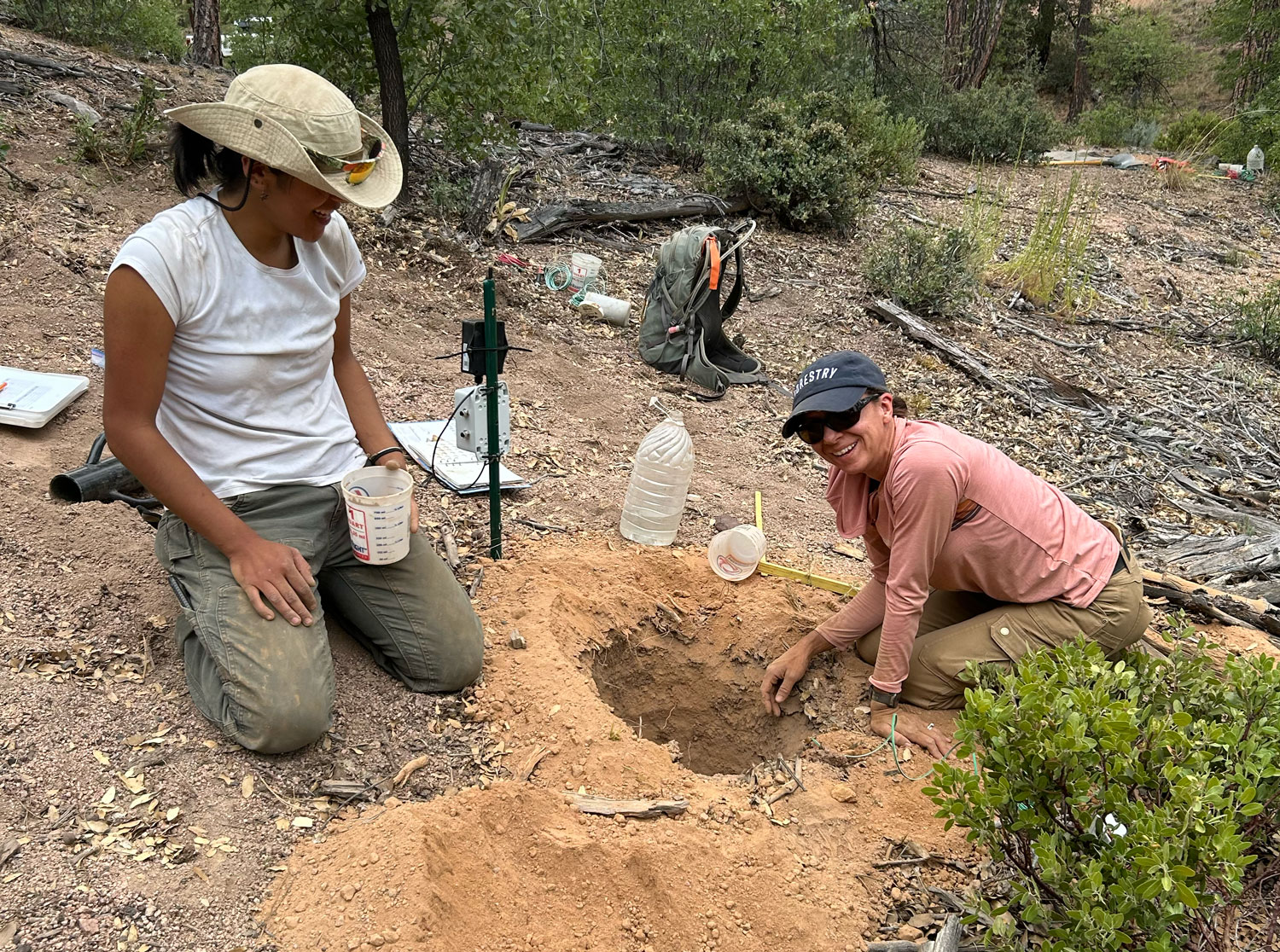
Salli Dymond, an associate professor at Northern Arizona University’s School of Forestry, believes measuring soil moisture and the moisture content in forest vegetation—both potential fire fuels—could significantly aid in predicting and controlling devastating wildfires across the Southwest. This summer, Dymond collaborates with Salt River Project (SRP) and Growvera, a startup, to deploy moisture sensors throughout the Tonto National Forest.
The sensors, installed on plants and beneath the forest floor, will be monitored over a year. If successful, the data could transform how Arizona officials prepare for wildfire season, providing real-time insights into forest conditions. “New studies have shown that using soil moisture in conjunction with fuel moisture will bring all the pieces of the puzzle together,” Dymond explained. “It could help us understand how dry the forest fuels are, how dry the soils are, and how stressed the plants are from hour to hour.”
Understanding the Role of Soil Moisture
Currently, fire risk predictions in Arizona rely heavily on weather data, such as humidity, temperature, and wind speed. Dymond argues that this approach provides an incomplete picture. “We collect weather data out in the open and in a few locations, and it’s not always indicative of on-the-ground conditions,” she noted.
Traditionally, measuring soil and fuel moisture was costly, but advancements have made sensors more affordable. Growvera, a New Mexico-based startup, has developed an economical sensor alternative, which is now being tested for efficacy. “I think Growvera and I have the same goal, which is to get this into the hands of practitioners who can benefit from it,” Dymond said.
Localized Data Collection
In recent weeks, Dymond’s team has been busy in Tonto National Forest, attaching Growvera’s sensors to various fuel sources and burying soil moisture sensors at multiple depths. Alongside these, data from a nearby weather station will also be analyzed.
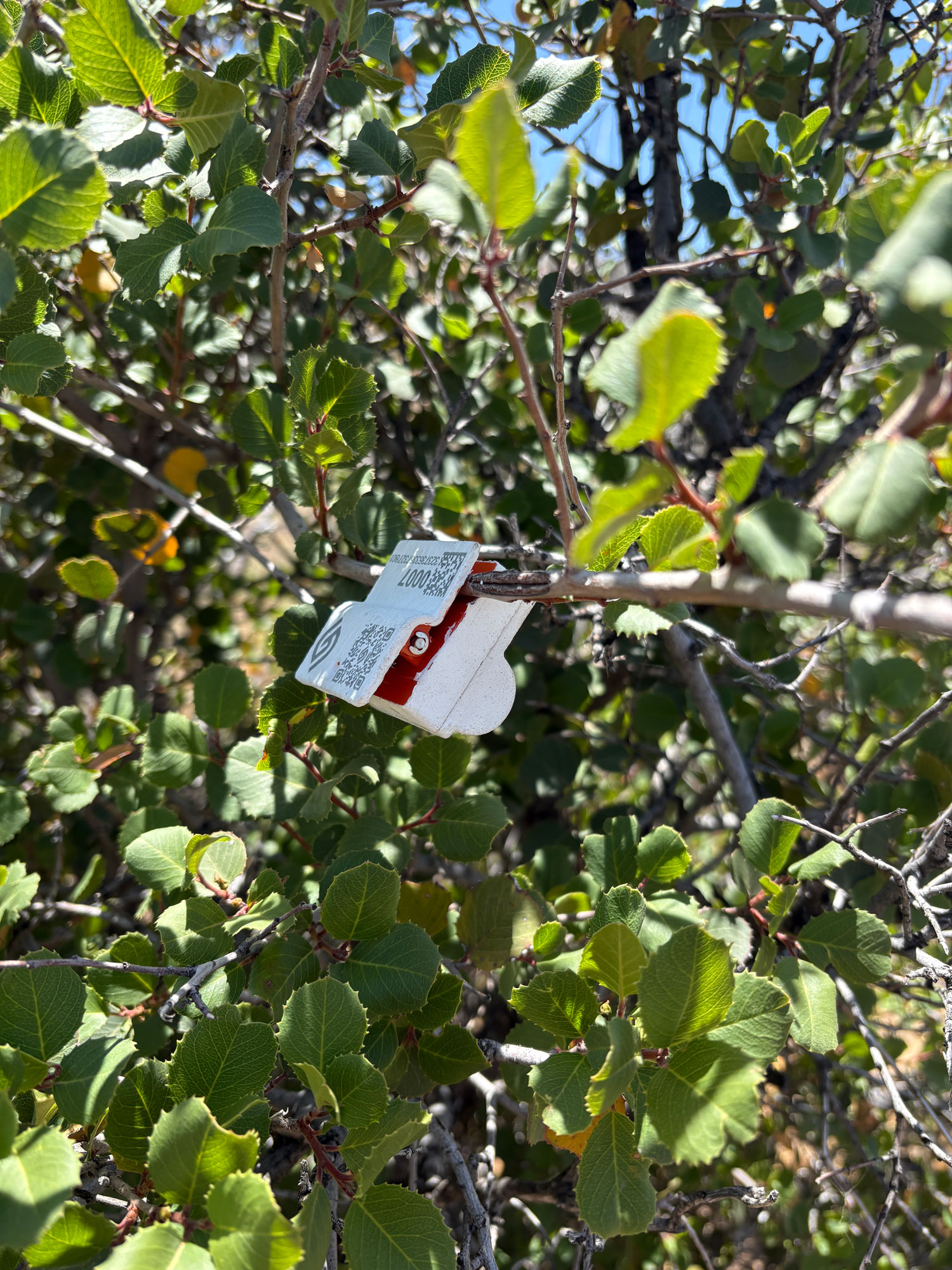
“We’ll track small-scale fluctuations in temperature and relative humidity, and we’ll see how the fuels respond,” Dymond stated. This hyperlocal data, capturing the precise impact of precipitation, could refine fire danger assessments and provide more accurate risk notifications for specific areas.
“Rather than giving blanket statements like ‘critical fire risk in the Flagstaff region,’ we could say, ‘there’s a critical fire risk in Coconino Estates and a lower risk in Sunnyside,’” Dymond explained. Such precision could also aid in making decisions regarding prescribed burns or ongoing wildfires.
Tonto National Forest as a Learning Hub
Alongside experts from SRP, NAU forestry master’s student Anastasiya Jonas will analyze the sensor data, focusing on the interplay between various moisture levels and vapor pressure. If successful, the initiative could expand to other fire-prone areas, providing students with invaluable field experience.
“The hope is to have a network of sensor sites across the Southwest and even beyond that,” Dymond said. “Wildfires have become a concern in the entire Western U.S., the Midwest, the Southeast—really everywhere. There are so many regions that could benefit from this data.”

Jill Kimball | NAU Communications
(928) 523-2282 | jill.kimball@nau.edu
Read More Here




Comments are closed.