
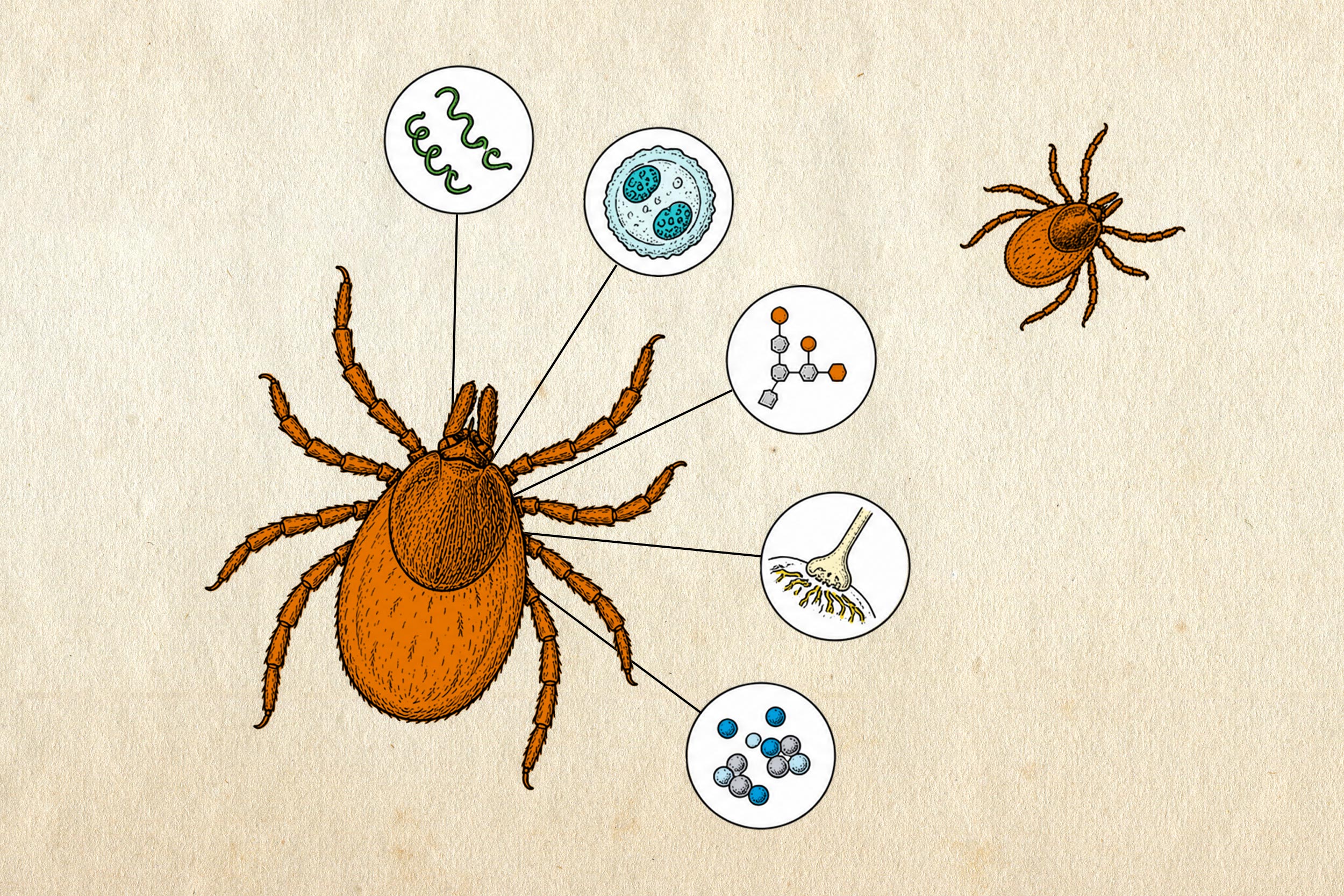
Emergency room visits have been consistently rising since 2017 due to early-season tick bites, particularly affecting Virginia and several northeastern states.
According to data from the Centers for Disease Control and Prevention, a live tick bite data tracker is available for those interested in tracking the trend.
“Ticks worry me more than bears and snakes, due to the diseases that they carry,” states Dr. Christopher Holstege of the University of Virginia, who oversees the Blue Ridge Poison Center and UVA’s Department of Student Health and Wellness.
Dr. Holstege provides insights into this growing concern and offers advice on prevention.
Why Are Tick-Related ER Visits Increasing?
The exact figures are elusive, but there is a noticeable uptick in outdoor activities, which is beneficial for health but also increases the likelihood of tick encounters and potential diseases. Warmer weather further exacerbates exposure risks, leading to more medical consultations, especially when ticks become lodged in the skin and cannot be easily removed.
Tick-Borne Diseases in Virginia
The region is susceptible to a range of tick-borne diseases, including Lyme disease, ehrlichiosis, alpha-gal syndrome (causing a red meat allergy), tick paralysis, and Rocky Mountain spotted fever. Other severe but rarer illnesses include babesiosis, anaplasmosis, and tularemia.
Steps for Tick Removal
To safely remove a tick, use fine-tipped tweezers to grasp it as near the skin as possible and gently pull it out. If available, wear nitrile or latex gloves to protect yourself. Avoid methods like burning the tick with matches or using substances like petroleum jelly, which can be harmful. In cases where the tick cannot be removed, seek professional medical assistance.
Signs to Watch For
After a tick bite, monitor for symptoms such as an expanding rash mimicking a bull’s-eye, common with Lyme disease, or the onset of fever, chills, severe fatigue, and joint pain. These symptoms may indicate Lyme disease or other tick-related infections.
Read More Here






![Robert Harmon Celebrates 99th Birthday at UVA’s Homecomings Weekend[embed]https://www.youtube.com/watch?v=c_VPFnE8x-w[/embed]](https://realnewsfast.com/wp-content/uploads/2026/10/Robert-Harmon-Celebrates-99th-Birthday-at-UVAs-Homecomings-Weekendembedhttpswwwyoutubecomwatchvc_VPFnE8x-wembed-300x200.jpg "Robert Harmon Celebrates 99th Birthday at UVA’s Homecomings Weekend[embed]https://www.youtube.com/watch?v=c_VPFnE8x-w[/embed]")
![Environmental Opera “Auksalaq” Opens UVA’s Arts on the Hill Series[embed]https://www.youtube.com/watch?v=PjYuP9wh3Hw[/embed]](https://realnewsfast.com/wp-content/uploads/2026/10/Environmental-Opera-Auksalaq-Opens-UVAs-Arts-on-the-Hill-SeriesembedhttpswwwyoutubecomwatchvPjYuP9wh3Hwembed-300x200.jpg "Environmental Opera “Auksalaq” Opens UVA’s Arts on the Hill Series[embed]https://www.youtube.com/watch?v=PjYuP9wh3Hw[/embed]")
![New documentary explores Elizabeth Holmes’ final days before prison[embed]https://www.youtube.com/watch?v=GGJSRFWALTI[/embed]](https://realnewsfast.com/wp-content/uploads/2026/10/New-documentary-explores-Elizabeth-Holmes-final-days-before-prisonembedhttpswwwyoutubecomwatchvGGJSRFWALTIembed-300x200.jpg "New documentary explores Elizabeth Holmes’ final days before prison[embed]https://www.youtube.com/watch?v=GGJSRFWALTI[/embed]")