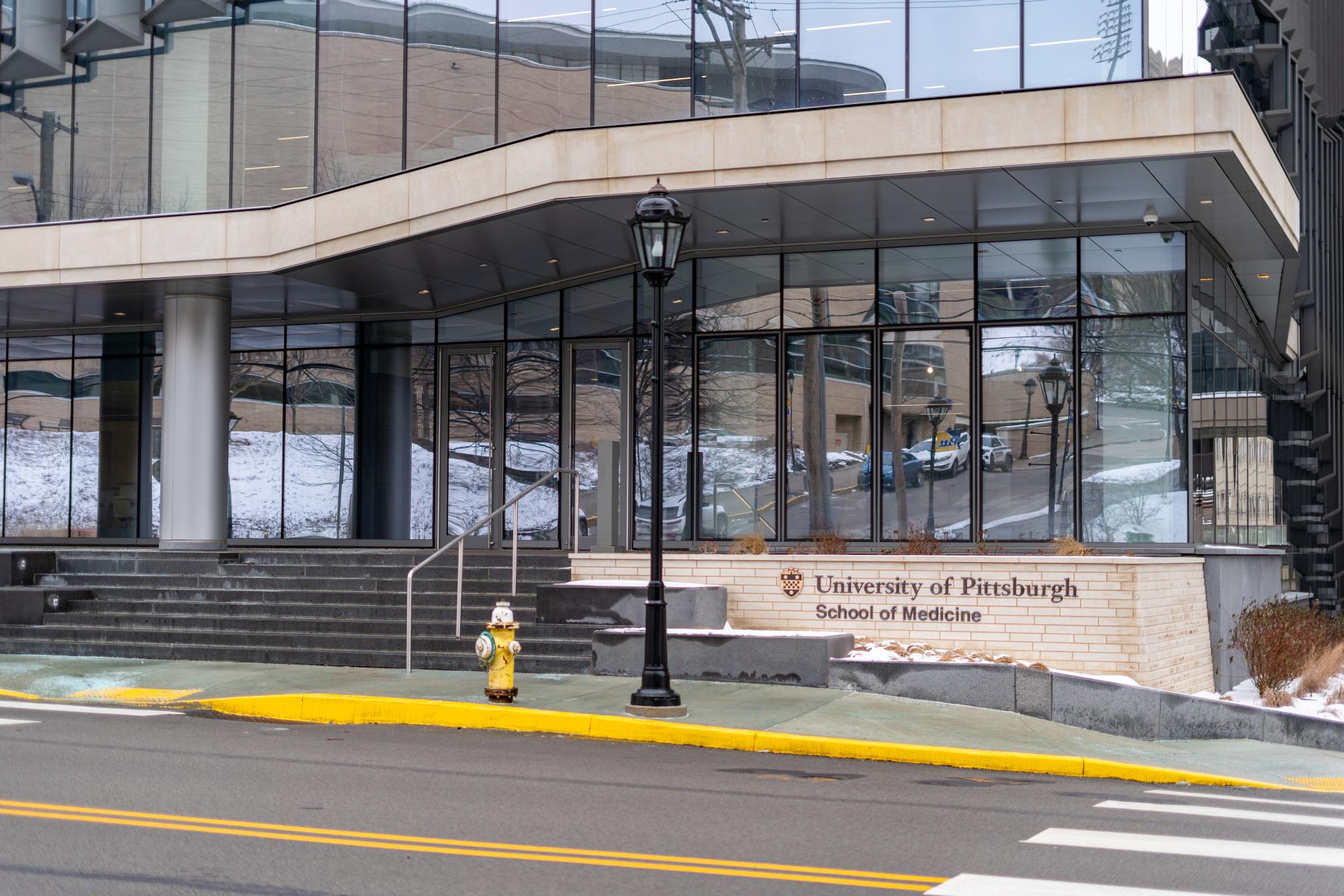
The University of Pittsburgh (Pitt) is grappling with significant challenges as federal research funding continues to decline. Since the spring semester, the university has faced an increasing number of research grant terminations, resulting in a loss of millions in funding. In response, Pitt’s administration is actively pursuing strategies to mitigate these impacts through internal and external avenues.
During a virtual town hall on June 11, Rob Rutenbar, Pitt’s senior vice chancellor for Research, revealed that the university has lost approximately $42 million in research funding this year, following the termination of 91 awards. This marks a stark increase from the 56 terminations reported in April. Additionally, there have been requests to modify 99 awards.
University spokesperson Jared Stonesifer noted that Pitt has filed 22 appeals against these terminations, with federal program managers currently reviewing them. So far, three responses have been received; one appeal was unsuccessful, while two others indicated a willingness to reconsider with specific changes in the scientific focus.
Research funding at Pitt has been particularly affected in the health sciences, with most terminations impacting the School of Medicine and School of Public Health. Sponsors such as USAID, NIH, CDC, NSF, ONR, and NEH have been involved in these terminations.
Federal funding constitutes 70.9% of Pitt’s research expenditures, according to the 2023-2024 Pitt Research Report. While it’s uncertain how these percentages will change, Rutenbar stated that the university is working to strengthen connections with industries and foundations to fill the federal funding gap.
In the face of these challenges, Pitt, along with the Association of American Universities, American Council on Education, and Association of Public and Land-grant Universities, filed a lawsuit on May 5. This action followed the NSF’s May 2 announcement to cap indirect costs at 15%, a significant decrease from Pitt’s negotiated rate of 59%. Such a cap would drastically limit resources for researchers.
A federal judge blocked the NSF’s cap on June 20, deeming it “arbitrary and capricious.” Meanwhile, Pitt has joined an amicus brief alongside other top research universities to support Harvard’s challenge against federal funding cuts.
Jessica Merlin, formerly a professor at Pitt, saw her NIH-funded grant terminated but won an appeal to have it reinstated. She emphasized the importance of advocacy, stating, “If you don’t fight, you don’t win.” Her efforts have made her a “local point person” for navigating the appeals process.
Krista Freeman, a postdoctoral research fellow at Pitt, faced funding cuts to her MOSAIC Fellowship Program, which promotes diversity in postdoctoral research. Despite these challenges, Freeman is seeking private foundation support to continue her work, expressing disappointment over the arbitrary nature of the cuts.
Rich Boyce, an associate professor at Pitt, experienced the termination of an NLM-funded program he co-led. However, subsequent litigation may prevent this termination, as NLM has indicated that DEI-related components of the program will be subject to negotiation.
Rutenbar addressed potential federal budget cuts in a June 11 town hall, highlighting proposed reductions to NIH and NSF funding in the Trump administration’s 2026 budget. He reassured researchers that these proposals are not yet law and emphasized the university’s advocacy efforts.
As Pitt looks to the future, the university is educating its community about alternative funding options, including private foundations such as the Gates Foundation, The Pew Foundation, and the John Templeton Foundation. Guidance on navigating funding challenges is available through Pitt’s award term guidance and the Pitt Research Concierge Team.
Read More Here