Undergraduate research is a cornerstone of higher education, offering students a platform to showcase their academic endeavors. On April 24, hundreds of students from diverse fields such as astronomy, business, health sciences, and forestry will participate in the Undergraduate Symposium. This event provides a unique opportunity for thousands of visitors to witness a wide array of scholarly achievements.
Innovative Designs in Mechanical Engineering
Project: Design and Validation of an Adjustable Stiffness Mechanism for an Ankle Exoskeleton
Researcher: Riley Shepard
Major: Mechanical engineering
Adviser: Zach Lerner
At the forefront of wearable robotics, NAU’s Biomechatronics Lab focuses on creating exoskeletons to improve mobility for individuals with neuromuscular disabilities. Riley Shepard’s project addresses the challenge of limited battery life in these devices. By developing an ankle exoskeleton with adjustable stiffness, Shepard aims to enhance battery efficiency and extend usage time.
With a Hooper Undergraduate Research Award backing the project, Shepard’s device has been piloted in tests, potentially leading to future publications. Reflecting on the work, Shepard said, “We’re doing hard work, and the goal is to make a difference.”
Exploring Cultural Dynamics in Dating
Project: Dating Interests Among Asian American Women: A Qualitative Study of Women’s Interests in Inter-racial Romantic Partners
Researcher: Jane Pham
Majors: Philosophy and psychology
Adviser: Andrew Walters
Jane Pham’s study delves into the dating preferences of Asian American women, particularly their tendencies towards interracial relationships. This qualitative research involves interviews exploring how personal and cultural factors influence partner selection.
 “I’m dating a white man myself, and where I grew up in Phoenix, all of my Asian friends are not dating people inside of their own race at all,” Pham noted, highlighting the patterns she observes. She hopes her research contributes to a broader understanding of these social dynamics.
AI in Pathogen Study
Project: PepSeqPred: Predicting Antibody Targets Across the Infectome
Researcher: Jeff Hoelzel
Major: Software engineering
Adviser: Jason Ladner
Jeff Hoelzel tackles the complexities of pathogen study using artificial intelligence. His project, PepSeqPred, leverages machine learning to predict which protein fragments are likely to trigger immune responses, potentially revolutionizing how infection histories are reconstructed.
 “By combining experimental immunology with computational modeling, we can better understand how humans interact with the microbial world,” Hoelzel explained, emphasizing the potential for AI to accelerate immune research.
Investigating Environmental Impacts on Viruses
Project: Understanding the Impacts of Temperature on the Growth Rates of Arizona Frog Virus 3 (FV3) Strains and Cell Culture
Researcher: Allyson Quigley
Majors: Biomedical science and Spanish
Adviser: Joseph Mihaljevic
Allyson Quigley focuses on the effects of temperature on the growth of the nonnative frog virus 3 (FV3) in Arizona. Her research aims to inform climate models and conservation strategies by identifying the virus’ ideal temperature range.
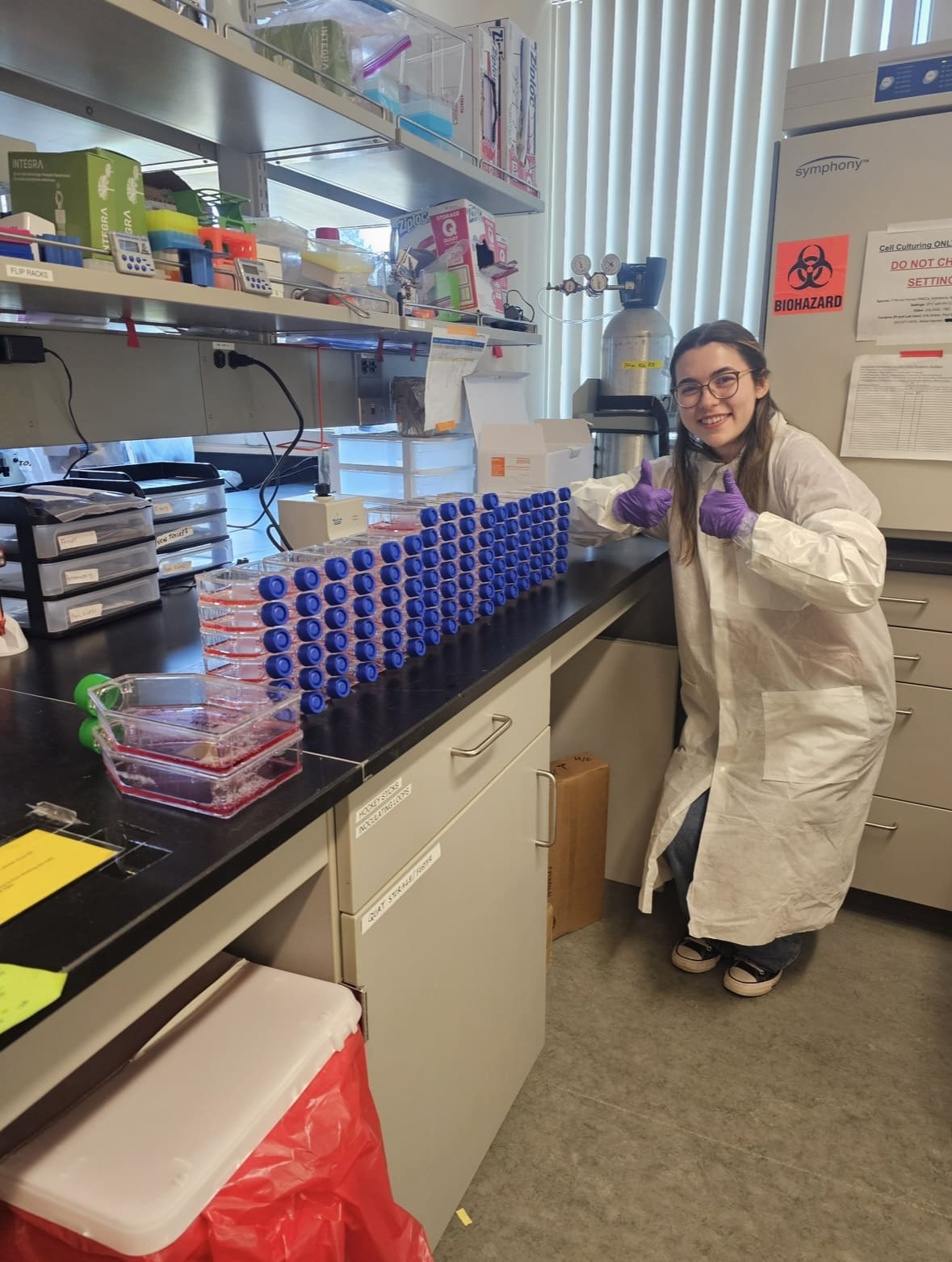 “We really want to get a head start on FV3 and see if it follows similar temperature patterns to evaluate how that might change from climate change,” Quigley said, underscoring the urgency of her research.
Belongingness and Workplace Inclusion
Project: Belongingness in the Workplace: What Factors Affect Employees’ Sense of Belonging at Work?
Researcher: Kiren Kirschbaum
Major: Psychology
Adviser: Ann Huffman
Kiren Kirschbaum’s research investigates how diversity, equity, and inclusion affect employees’ sense of belonging in the workplace. Using psychological principles, the project seeks to identify factors that mitigate feelings of alienation among minority groups.
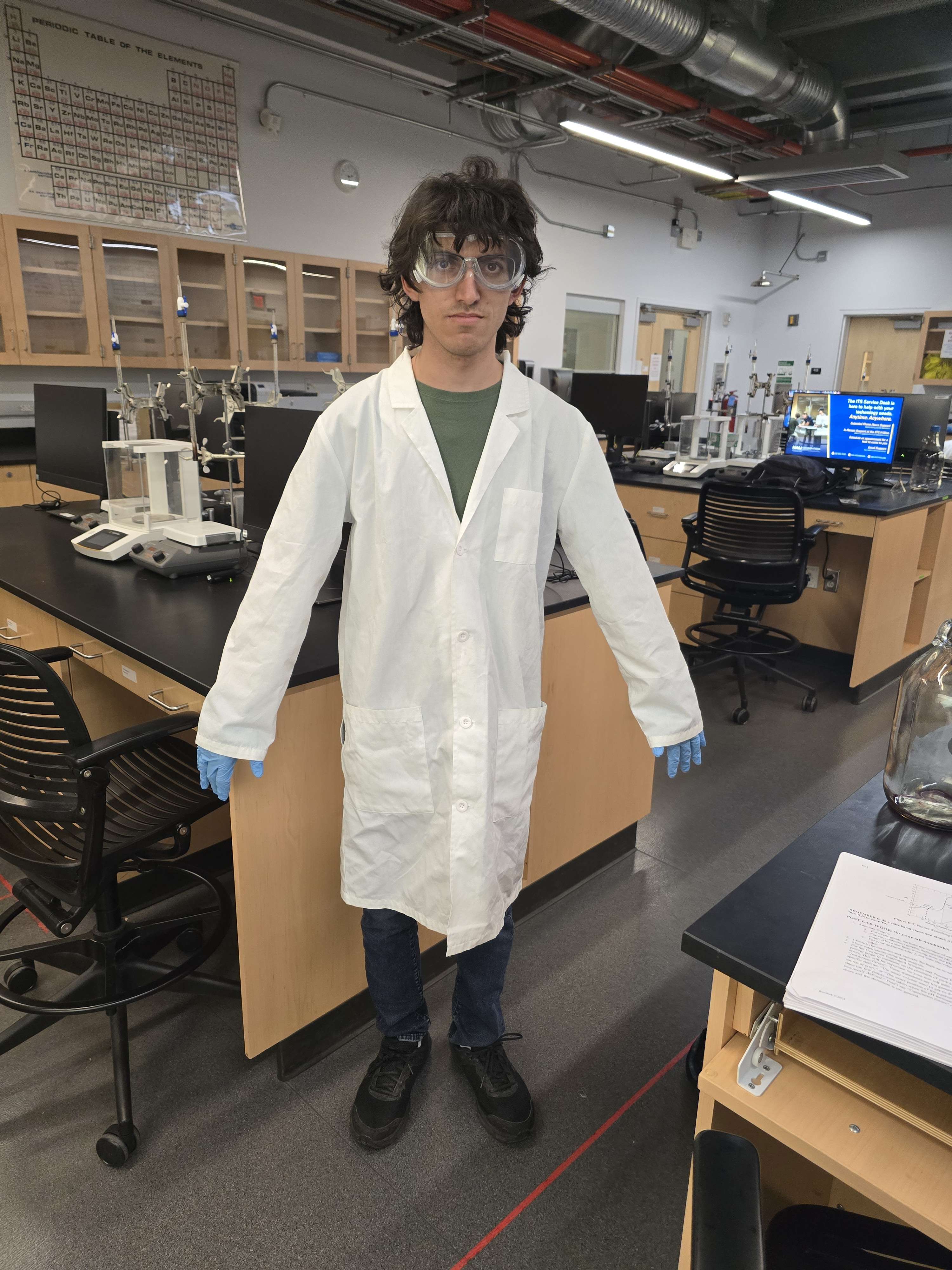 “The world is only becoming more diverse as time goes on, especially the U.S.,” Kirschbaum noted, stressing the importance of inclusive practices in diverse organizational structures.
“`
Read More Here