Exploring the Intersection of Anthropology and Disease at NAU
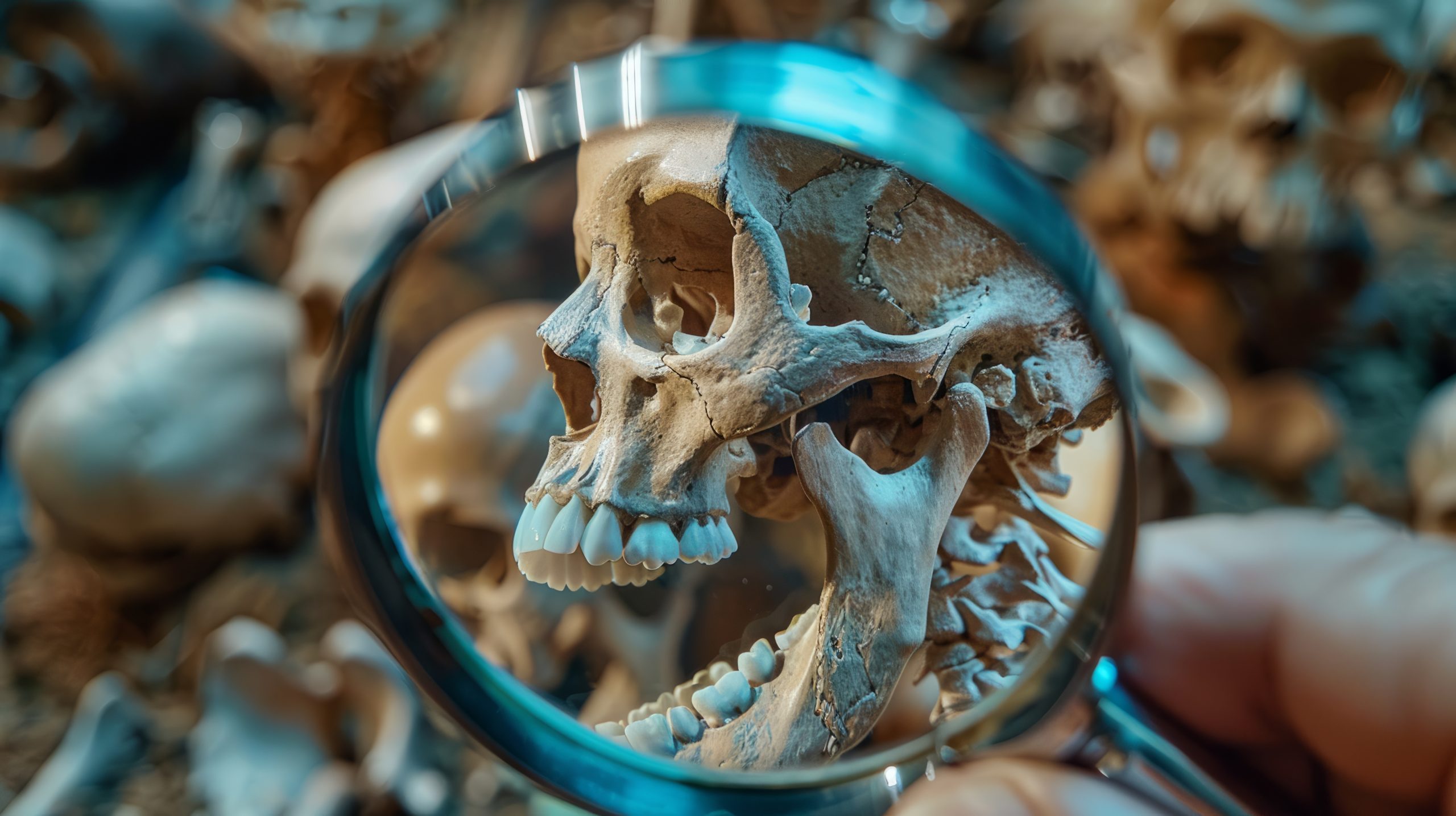
History is not confined to the pages of books; it also resides in the physical evidence left by past generations, including human remains. At Northern Arizona University (NAU), a unique course is offering students the chance to delve into the history of diseases through the lens of anthropology, examining how human remains and historical records illuminate the spread and effects of epidemics.
In the ANT 105: Plagues, Bones and History class, students explore the complex relationship between humans and diseases. The course presents plagues as significant historical forces that have shaped societies and economies, not merely as isolated events.
Corina Kellner, a professor in the Department of Anthropology, specializes in biological anthropology. Her research focuses on ancient Peru and how societies adapted to changes over time. Following the COVID-19 pandemic, Kellner was inspired to present an anthropological perspective on plagues, highlighting their influence on the course of human history.
“My specialty is in ancient Peru,” Kellner said. “In my field, we look at bones and cemeteries, and I wanted to bring that perspective to the study of diseases. In the class, we go over things like the Black Death in the 1300s in Europe and Asia, we cover the flu pandemic of 1918 and discuss tuberculosis, which is a scourge that we don’t see a lot in the United States, but it is kind of rising again. We look at sexually transmitted infections and what that means in terms of shame and morality, and we also look at other different aspects of disease.”
By analyzing context clues, students learn about the causes of death and burial practices of past societies. For instance, lectures include discussions on identifying syphilis in human remains and determining whether mercury treatments were used during the individuals’ lifetimes.
The course fulfills general and liberal studies requirements in Social and Political Worlds. While anthropology majors are a minority, the class attracts many students from biology and biomedical fields.
“I recommend this class to anyone who went through the COVID-19 pandemic because we were bearing witness to something that our ancestors witnessed too in their lives,” Kellner said. “I’ve had a couple of business students in the past and remember the one time I had a marketing major. The final project was perfect for him since students have to create some kind of informational piece about a disease to create awareness.”
The course structure includes four or five topics per semester, with journal assignments allowing student feedback and demonstrating their understanding of the material. A cost-free textbook, along with videos and web pages, supplements their studies.
“The final topic we cover is public health, what it means and what measures we have to take to keep ourselves safe,” Kellner said. “We need to be careful with misinformation and disinformation about disease and public health. We need to be more patient and kinder to one another when diseases hit. The biggest feedback I have gotten from students is that they thought of diseases as just biology, but with this class, they were able to see the cultural, social and economic impact they have. We need to be more active in combating diseases and understanding the science behind everything.”
For more information about ANT 105: Plagues, Bones and History, visit NAU’s class catalog.
Explore more intriguing courses:
- Where crime scenes come to life
- When sociology goes pop
- Mapping joy
- Tasting history
- Stories etched in skin
- A classroom without borders
Discover more stories from the Student Edition of the NAU Review.
Read More Here