![Exploring Beekeeping’s Role in Biodiversity and Environmental Health[embed]https://www.youtube.com/watch?v=YyXNoxUc7DM[/embed]](https://realnewsfast.com/wp-content/uploads/2024/12/Jocelyn-Andrade-Advocating-for-Migrant-Workers-and-Helping-the-Unseen.png "Exploring Beekeeping’s Role in Biodiversity and Environmental Health[embed]https://www.youtube.com/watch?v=YyXNoxUc7DM[/embed]")
In an era where sustainability is at the forefront of global concerns, beekeeping emerges as more than just a honey-harvesting activity. It plays a crucial role in promoting biodiversity, enhancing local ecosystems, and offering individuals a chance to reconnect with nature.
Patrick Pynes: A Lifelong Passion
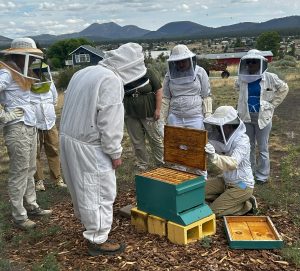
Patrick Pynes, an assistant teaching professor in the Department of Applied Indigenous Studies at Northern Arizona University (NAU), has dedicated himself to beekeeping since 1991. Annually, he conducts an Introductory Beekeeping Workshop, offering participants a hands-on experience with these vital insects.
This workshop, a collaboration between NAU’s Sustainable Communities Program and the Northern Arizona Organic Beekeepers Association, emphasizes sustainable and local beekeeping practices. The goal is to prioritize bee health, minimize environmental impact, and promote ecological harmony.
Recalling his earliest fascination, Pynes shares, “My interest in beekeeping goes back to when I was like 5 years old and I was visiting my grandfather’s hometown. My parents took me downtown to the little jewelry shop and watch repair store that my great-grandparents owned in this little town called Atlanta, Texas.”
It was there that he first encountered his grandfather’s brother’s beekeeping endeavors, which captivated him with the sight of honeycomb jars displayed alongside watches and jewelry. Though it took him two decades to pursue it independently, this moment marked the beginning of his beekeeping journey.
Pynes embarked on his beekeeping path at the Rio Grande Nature Center in Albuquerque, where he learned the art of swarm catching to establish his first hive. “It is one of the most fun things in beekeeping, finding a swarm… It is amazing because the swarm is so beautiful and powerful,” he explained.
The Importance of Bees
Bees are indispensable pollinators that support food security and uphold ecosystem health and biodiversity. However, environmental changes pose significant threats to their survival. Beekeeping not only serves as an engaging hobby with potential financial benefits from honey and beeswax sales, but it also provides a way to engage with and protect bee populations.

Pynes highlights current challenges, noting, “One of the main challenges we are seeing right now is the lack of flowers due to drought conditions.” Cold winters further compound these challenges, affecting bees’ ability to leave the hive and potentially creating unhealthy conditions inside.
Beekeepers adapt by moving hives, monitoring weather and floral resources, and, when necessary, feeding bees to ensure their survival. According to Pynes, the characteristics of honey, such as color and taste, are influenced by the flowers bees visit, much like the terroir of wine. This local adaptation of honey is also believed to help with seasonal allergies due to its pollen content.
Beekeeping as a Community Endeavor
Denbie Nash, a workshop participant originally from Texas, embraced beekeeping with her partner three years ago. She values Pynes’ approach to organic beekeeping and his environmental respect. “We’re just fortunate to have him,” Nash said. “I appreciate his approach.”
Pynes encourages aspiring beekeepers to educate themselves through classes, research, and mentorship. “You have to educate yourself,” he advises. “All beekeepers struggle in the beginning and they sort of figure it out as they get more involved.”
For those not inclined to keep bees but still wishing to aid in their preservation, Pynes suggests planting flowers, avoiding harmful pesticides, and advocating for pollinator-friendly community policies.
For more details about the workshop, visit honeybeeteacher.com.
Read More Here