
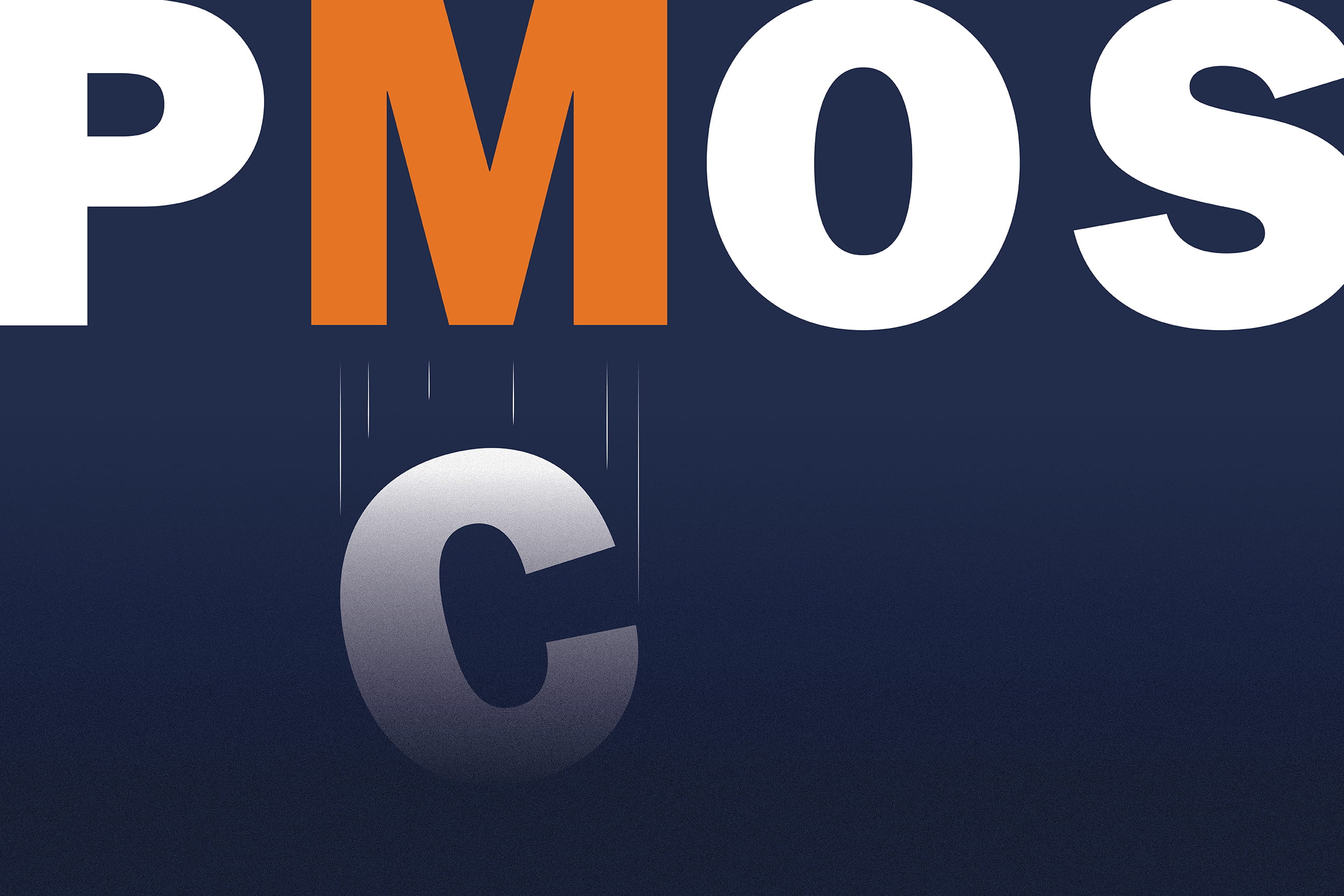
Dr. Dana Redick, a gynecologist at UVA Health, shares insights into polycystic ovarian syndrome (PCOS), its reclassification, and ways patients can find relief from symptoms.
Understanding PCOS: Symptoms and Diagnosis
Polycystic ovarian syndrome, commonly referred to as PCOS, is characterized by three primary features. The first is oligomenorrhea, which involves infrequent menstrual periods. Secondly, elevated androgen levels can cause persistent acne and excessive hair growth, sometimes in patterns typical for males. The third defining feature is the presence of multiple cysts on the ovaries. A minimum of two out of these three criteria are required for a diagnosis.
Revisiting the Terminology
The terminology surrounding PCOS is evolving due to its broader implications. Women diagnosed with PCOS often show higher incidences of diabetes and thyroid issues and face significant weight loss challenges. Dr. Redick explains, “They’re doing everything right, and they’re really struggling with losing weight.” The condition affects multiple body systems, not just the ovaries.
Unraveling the Cause of PMOS
While the precise cause of PMOS is not yet known, it commonly becomes apparent when young women begin menstruating, often during their teenage years. Sometimes, the condition might only be identified later, especially if menstrual cycles were regulated by birth control pills. As individuals age and their weight changes, PMOS symptoms can become more noticeable.
Prevalence and Diagnosis
PMOS is a prevalent cause of anovulation, affecting approximately 7% to 10% of the population. Diagnosis often occurs when irregularities in menstrual cycles become evident.
Treatment Approaches for PMOS
For those not seeking pregnancy, birth control pills are the primary treatment, as they help regulate menstrual cycles. Additional strategies include nutritional adjustments, regular exercise, and achieving a healthy weight.
Improving Symptoms with Treatment
Effective treatments can significantly improve PMOS symptoms. Dr. Redick notes, “People who have been really struggling with weight loss and they feel like, ‘Oh my gosh, this really was the thing that helped me get where I needed to be.'” Advances in weight-loss treatments have shown promising results in alleviating PMOS symptoms.
Read More Here






![Robert Harmon Celebrates 99th Birthday at UVA’s Homecomings Weekend[embed]https://www.youtube.com/watch?v=c_VPFnE8x-w[/embed]](https://realnewsfast.com/wp-content/uploads/2026/10/Robert-Harmon-Celebrates-99th-Birthday-at-UVAs-Homecomings-Weekendembedhttpswwwyoutubecomwatchvc_VPFnE8x-wembed-300x200.jpg "Robert Harmon Celebrates 99th Birthday at UVA’s Homecomings Weekend[embed]https://www.youtube.com/watch?v=c_VPFnE8x-w[/embed]")
![Environmental Opera “Auksalaq” Opens UVA’s Arts on the Hill Series[embed]https://www.youtube.com/watch?v=PjYuP9wh3Hw[/embed]](https://realnewsfast.com/wp-content/uploads/2026/10/Environmental-Opera-Auksalaq-Opens-UVAs-Arts-on-the-Hill-SeriesembedhttpswwwyoutubecomwatchvPjYuP9wh3Hwembed-300x200.jpg "Environmental Opera “Auksalaq” Opens UVA’s Arts on the Hill Series[embed]https://www.youtube.com/watch?v=PjYuP9wh3Hw[/embed]")
![New documentary explores Elizabeth Holmes’ final days before prison[embed]https://www.youtube.com/watch?v=GGJSRFWALTI[/embed]](https://realnewsfast.com/wp-content/uploads/2026/10/New-documentary-explores-Elizabeth-Holmes-final-days-before-prisonembedhttpswwwyoutubecomwatchvGGJSRFWALTIembed-300x200.jpg "New documentary explores Elizabeth Holmes’ final days before prison[embed]https://www.youtube.com/watch?v=GGJSRFWALTI[/embed]")