The Unseen Value of History in Modern Education
While groundbreaking research in medicine and robotics often captures the spotlight at universities, the intrinsic value of studying history is often overlooked. At Carnegie Mellon University, Christopher Phillips, head of the Department of History, argues for the enduring relevance of a history degree.
Phillips’ workspace in Baker Hall is a testament to his dedication, filled with books on the history of biostatistics and adorned with clocks from his personal collection. Since taking on the role in January 2025, Phillips has championed an interdisciplinary approach, encouraging students to pair history with fields such as ethics, history, and public policy.
“We’ve been doing the same kind of innovative, groundbreaking, award-winning research that happens in every department at the university,” Phillips stated. “The kinds of skills you learn here will teach you to really thrive throughout a lifetime. Students in every department at CMU want to make the world a better place, but, a lot of the time, the tools they are given are how to tinker with code or how to solve preset problems in science. They’re already comfortable with the arts or with technology. What we’re trying to do is to think much more about the big picture, and ask much deeper questions.”
As the United States approaches its 250th anniversary, Phillips sees this as a time for reflection. He questions how the American narrative is constructed, noting the distinctiveness of celebrating national milestones compared to countries like China or England with much deeper historical roots.
For historians like Phillips, the way history is recorded and preserved is crucial. He emphasizes the importance of maintaining rigorous standards for evidence, even as technology evolves. Initiatives such as the National Archives Digital Preservation Program and the Wayback Machine play a vital role in this digital age, ensuring historical evidence is preserved.
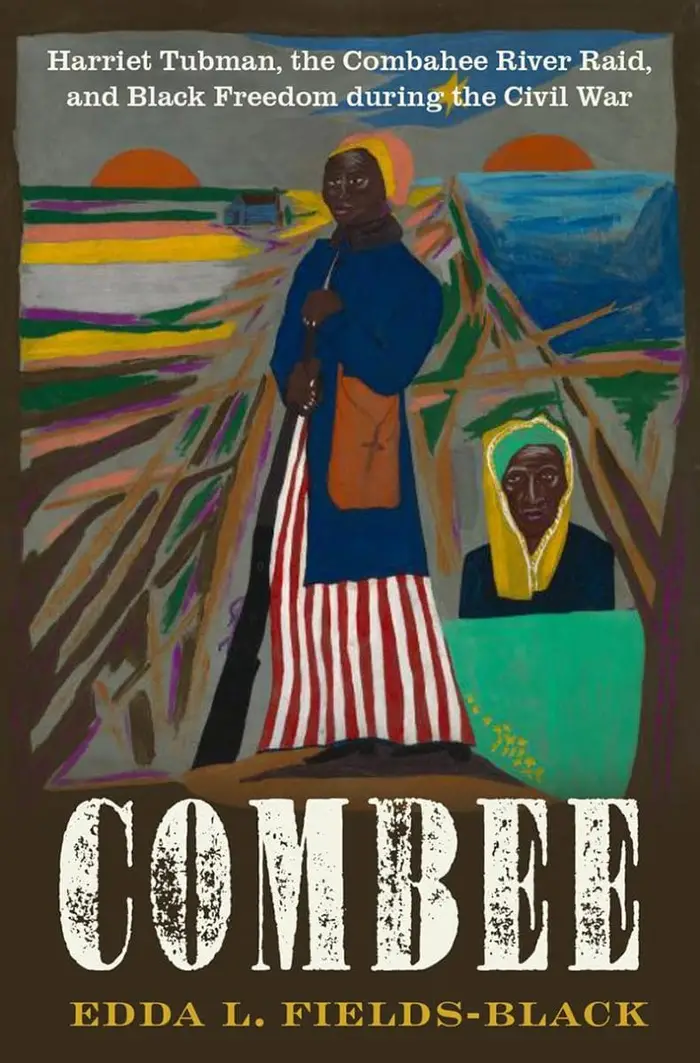
In a recent project, the history department at CMU explored whether there are still untold stories in history. In 2025, Edda Fields-Black, a CMU historian, was awarded the Pulitzer Prize in History for her book “COMBEE.” This work sheds light on a Harriet Tubman-led rebellion that freed 756 enslaved individuals, narrated from the perspectives of Tubman and those liberated. Fields-Black’s research brings fresh insights into well-trodden historical ground.
“There are still new stories to tell about the past, even about subjects as well-researched as Tubman and the Civil War,” Phillips remarked.
Read More Here