
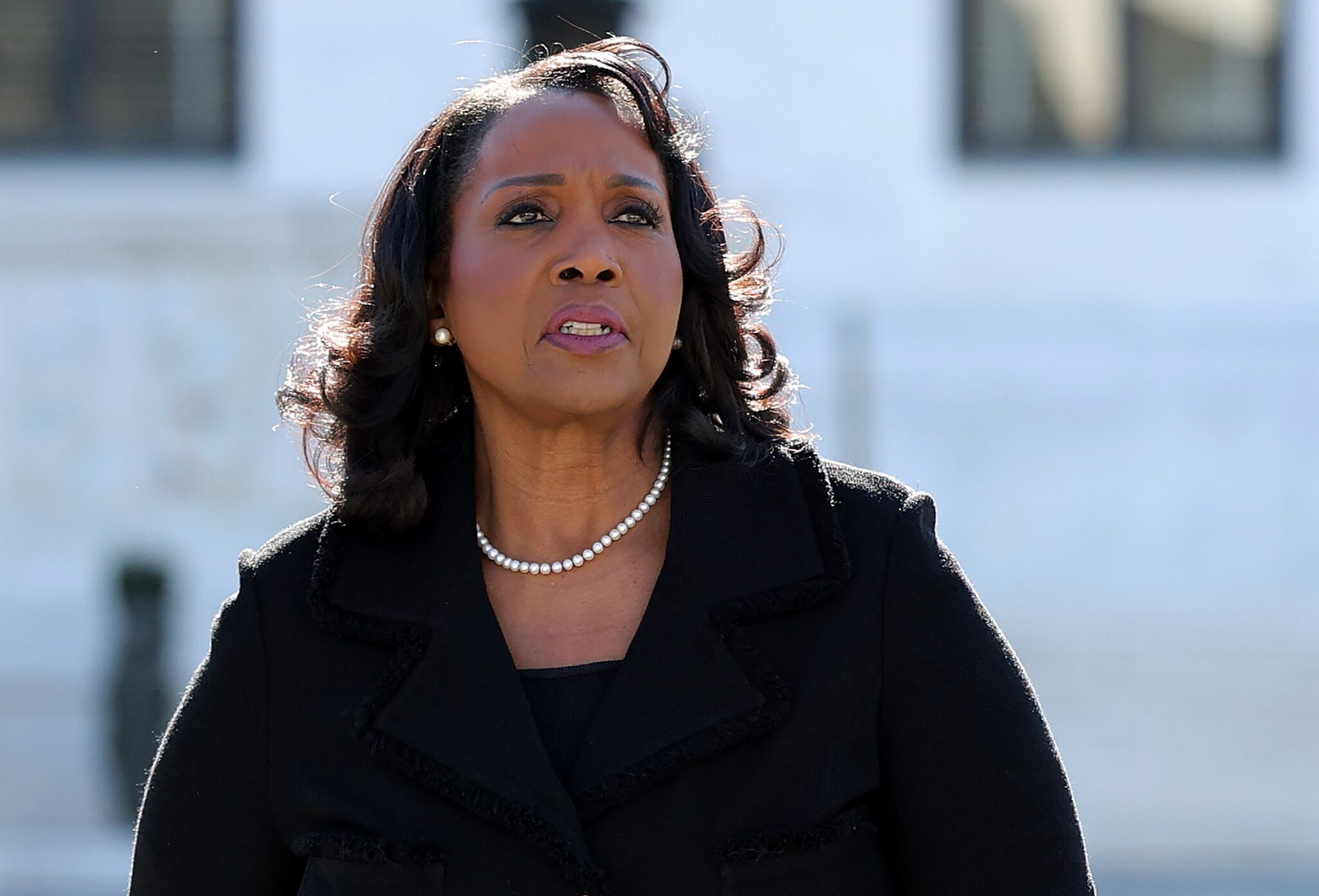
The Federal Reserve’s independence is once again at the center of a political battle in Washington. President Donald Trump has appointed a committee tasked with renewing efforts to remove Federal Reserve Board Governor Lisa Cook — a move that raises significant questions about the boundaries of executive power over the nation’s central bank.
Cook, who was first nominated by President Biden and confirmed by the Senate in 2022, became the first Black woman to serve on the Federal Reserve’s Board of Governors. Her 14-year term, which runs through January 2038, was designed specifically to insulate Fed board members from political pressure — a protection that now sits at the heart of this dispute.
What Is Trump’s Committee Doing?
The newly appointed committee is focused on finding a legal or procedural pathway to oust Cook before her term expires. The push is part of a broader effort by the Trump administration to exert greater influence over monetary policy at the Federal Reserve, which operates as an independent agency and sets interest rates for the U.S. economy.
The formation of this committee revives an earlier White House push to remove Cook that had stalled amid legal uncertainty. Federal law generally limits the grounds on which a president can remove a Fed board member, stipulating removal only “for cause” — a standard legal experts say is difficult to meet absent misconduct.
Why Lisa Cook?
Cook has been a target of criticism from some conservatives since her confirmation, with opponents questioning her academic record and policy views. Despite those challenges, she was confirmed and has served on the board while the Fed navigated a period of historically high inflation and subsequent interest rate hikes.
Her presence on the board has become symbolic in the broader political fight over who controls — or influences — American monetary policy. The Trump administration has openly pushed for lower interest rates, putting it at odds with the Fed’s rate-setting decisions under Chair Jerome Powell.
The Legal Battle Ahead
Legal scholars have long argued that removing a sitting Fed governor without cause would be constitutionally and statutorily questionable. The Federal Reserve Act provides board members with significant job protections, and any attempt at removal would almost certainly face immediate court challenges.
The effort also comes amid broader scrutiny of the administration’s moves to reshape independent federal agencies. Courts have weighed in on similar removal disputes involving other agencies, and those rulings are likely to shape how any challenge to Cook’s position plays out.
The story is being closely tracked by outlets including Florida Phoenix, part of States Newsroom, the nation’s largest state-focused nonprofit news organization, which first reported on the committee’s formation. Related reporting from States Newsroom journalists has covered a range of federal policy disputes, including the Supreme Court’s skepticism of Biden’s student debt relief plan and accountability reporting on Boeing’s safety failures.
The question of whether a president can unilaterally remove a Federal Reserve governor is one that could ultimately be decided by the Supreme Court — a ruling that would have lasting consequences for the independence of American economic institutions.
Readers who want to engage with the democratic process as this story develops can register to vote, find their precinct, find their state legislator, contact their U.S. representative, or contact their U.S. senator to make their voices heard.








Comments are closed.