
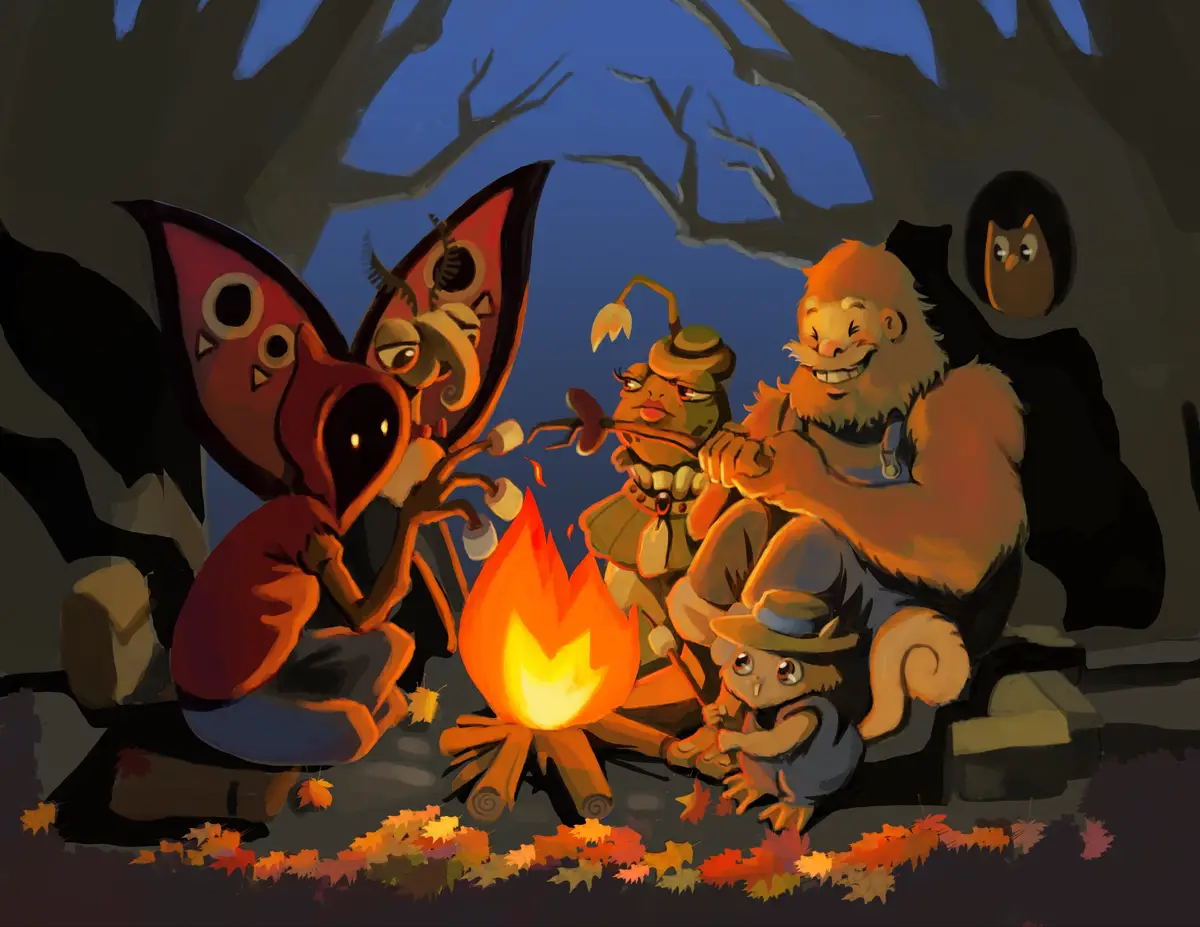
In an effort to revolutionize how groups collaborate and achieve goals, researchers at Carnegie Mellon University have developed an engaging solution through live action role play. “Monsters of Appalachia,” a game designed to enhance cooperation and movement-building, offers players the chance to navigate teamwork challenges through the lens of mythical Appalachian creatures.
The Game’s Purpose and Creation
The Center for Transformational Play (CTP) at CMU crafted this innovative game for Remake Learning, an educational network in Pittsburgh. The game’s primary goal is to assist community organizers and activists in finding common ground and building strong local movements. Jessica Hammer, CTP director and associate professor at the Human Computer Interaction Institute, emphasized the challenges of group collaboration, especially when team members come from diverse organizational backgrounds.
“We identified several places where games could help bridge divides,” said Hammer. “One of the big ones was helping people reflect on ways that collaborations can go wrong and develop strategies to strengthen them before the problem comes up.”
Gameplay and Mechanics
Players assume the roles of Appalachian cryptids, such as Bigfoot and the Flatwoods Monster. These characters are central to the game’s design, which emphasizes a strong sense of place. Kaitlin Heller, senior development specialist and co-designer, highlighted Pittsburgh’s strong local identity and mutual aid as factors that make the game effective.

The game draws inspiration from role-playing games like Dungeons & Dragons, where players direct their characters through various challenges. A game master (GM) facilitates the live-action experience, allowing participants to explore physical spaces and act out stories.
“The GM’s job is to be something between a waiter and a stage manager,” said Heller. “They’re there to make sure that everybody has everything that they need to have a good time and to play the game.”
Learning to Collaborate
The game accommodates up to 25 players, each assigned a cryptid persona with specific character traits and priorities. For example, Mothpeople focus on preserving dark skies, while Bigfoots are concerned with construction in natural areas. Players work together to tackle larger quests presented by the GM, often involving environmental challenges caused by humans.
Impact and Benefits
According to Hammer, the game teaches players how to reach larger goals without compromising their individual priorities. It encourages reflection on negative behaviors that can arise during cross-institutional collaborations.
“After the game, people are naturally inclined to talk about how it went and what they learned,” Hammer noted. “There’s a broad body of evidence that reflective debriefs are effective to help people apply their knowledge in a new context.”
Team Dynamics and Real-World Application
CMU researcher Anita Williams Woolley emphasizes the importance of team dynamics in organizational behavior. She explains that successful teams engage in “burstiness,” where information and ideas are quickly exchanged.

“People are adjusting how and when they work to how their teammates work,” Woolley said. “Burstiness often fosters high engagement, an essential component of successful teamwork.”
The game’s designers hope that by practicing these skills in a low-stakes environment, players can improve their ability to collaborate effectively in real-world settings.
Read More Here






Be First to Comment