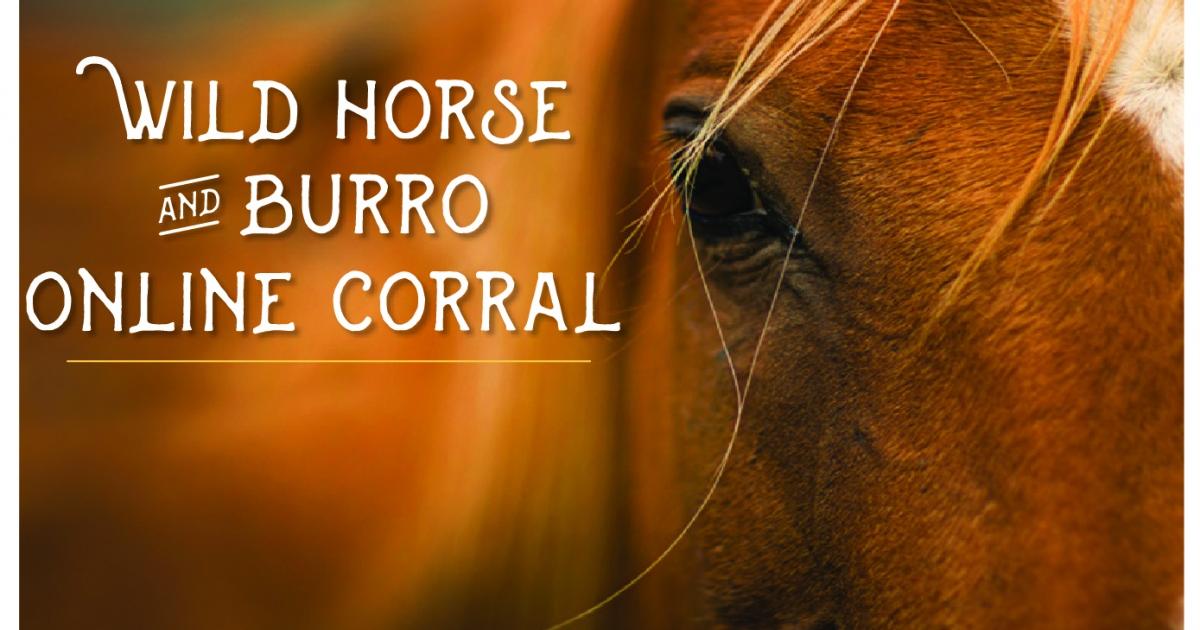
In an effort to sustain ecological balance and ensure the welfare of wild horses, the Bureau of Land Management (BLM) is set to host an online auction for adopting or purchasing wild horses. This unique auction, available through the Online Corral, runs from May 4-11, 2026, with bids beginning at $125.
Successful bidders will have the option to collect their newly adopted or purchased horse at various specified locations, as indicated on each animal’s profile. These pick-up points include:
- Boise, ID (June 12)
- Edinburgh, IN (July 10-11)
- Elm Creek, NE (by appointment)
- Gainesville, GA (Aug. 20)
- Jefferson, WI (Sept. 3-5)
- Lebanon, TN (July 23)
- Litchfield, CA (by appointment)
- Reno, NV (by appointment)
- Waterloo, IA (Aug. 7-8)
Individuals interested in participating in the auction can visit the BLM’s Online Corral to register, create an account, and submit an application for approval. Once approved, participants can peruse available animals, place bids, and arrange pick-up at a chosen location found on each horse’s profile page.
To streamline the process, potential bidders are encouraged to submit their applications early for pre-approval. Detailed guidelines for adopters and purchasers can be found in the requirements flyer on the BLM’s website.
The Online Corral serves as the BLM’s digital platform, offering a gallery of photos, videos, and information about available wild horses and burros. This platform allows users to submit applications and adopt or purchase an animal from the convenience of their home. The horses and burros listed on the Online Corral originate from overpopulated herds in the western United States, and their relocation helps maintain healthy populations and rangelands. Most of these animals are untrained and unhandled.
The BLM oversees and safeguards wild horses and burros across 25.6 million acres of public land in 10 Western states. Since the inception of its program in 1971, the BLM has successfully placed over 300,000 wild horses and burros into caring homes, fostering the health of both the animals and the rangelands for posterity.
Read More Here