A Lasting Legacy: Frank Gehry’s Architectural Impact at the University of Iowa
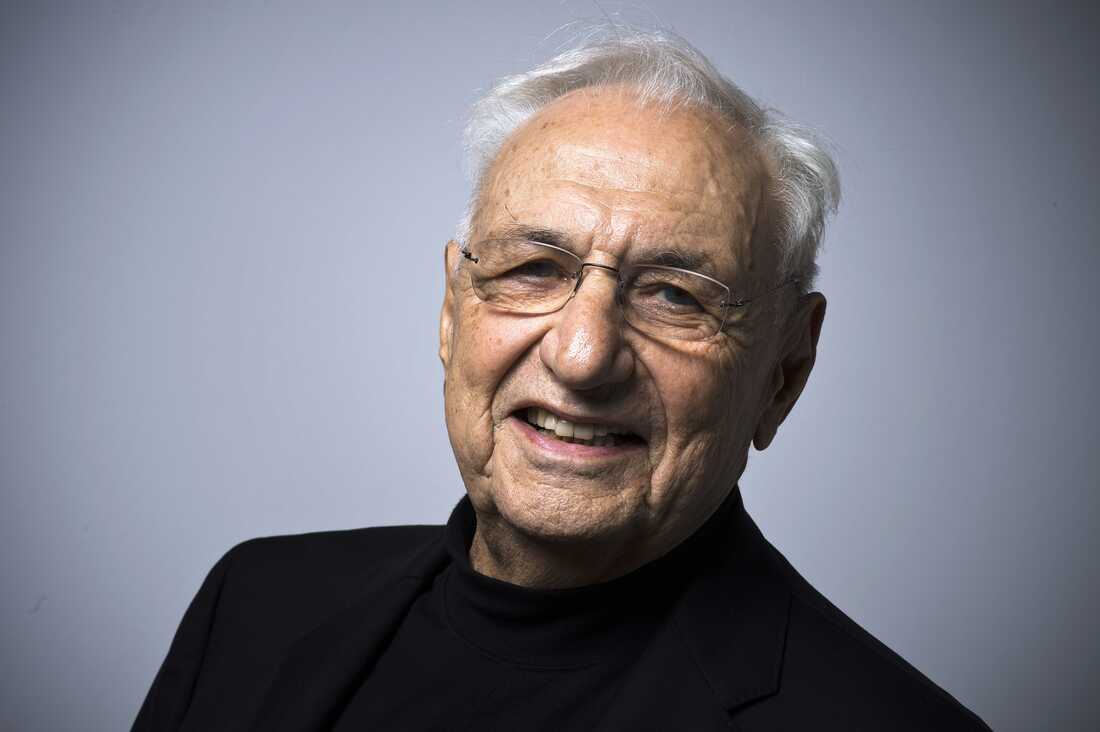
Renowned architect Frank Gehry, known for his innovative and iconic designs, left an indelible mark on the world of architecture. His recent passing at the age of 96 has renewed interest in his unique contributions, particularly at the University of Iowa, where his work on the Iowa Advanced Technology Laboratories (IATL) stands as a testament to his visionary approach.
Throughout my 30-year tenure involved in the University of Iowa’s campus development, I’ve had the privilege to collaborate with distinguished architects, including Gehry. The campus showcases a commitment to the arts, featuring works not only by Gehry but also by other architectural giants like Steven Holl, who designed the Visual Arts Building and Art Building West, and Pelli Clarke Pelli, responsible for the Hancher Auditorium.
The Birth of IATL
In the early 1980s, then-University of Iowa President James O. Freedman sought to push the boundaries of research in laser technology. His vision included an iconic building to symbolize future advancements. Gehry, already known in architectural circles, was chosen to design this laser center. This project coincided with Gehry’s burgeoning exploration of a style later termed “deconstructivism,” characterized by bold, stainless-steel structures.
Strategically located on the east bank of the Iowa River, Gehry’s design for the lab was intended to reflect its surroundings with its stainless-steel exterior. The building’s design included elements reminiscent of fish, with overlapping steel plates resembling scales and a prominent copper shell representing a giant fish.
However, the project faced significant financial challenges. Initial bids for the avant-garde design exceeded budgetary constraints, halting progress. After extensive discussions, the decision was made to modify Gehry’s original design, removing one wing to align with the available funds. Despite Gehry’s public disapproval, the IATL was completed and opened in 1992, albeit one “cube” short of the original vision.
A Resilient Structure
Since its completion, the IATL has been a celebrated part of the university’s landscape. Gehry’s design approach, first implemented here, was later employed in other famous projects like the Weisman Art Museum at the University of Minnesota and the Guggenheim Museum in Bilbao, Spain.
The IATL also faced challenges from natural disasters, notably the 2008 Iowa River flood. With federal assistance, the university repaired the building, replacing its stainless-steel exterior and reinforcing it with modern waterproofing technologies. The renovations ensured the building was not only aesthetically restored but also practically improved, making it “the first Gehry building that didn’t leak.”
Honoring Gehry’s Vision
Today, efforts are underway to complete Gehry’s original concept for the IATL. Through collaborations with the Federal Emergency Management Agency, the building site is now protected against future flooding. A new project is in progress to construct the missing wing, originally designed by Gehry. This addition, led by BNIM-Iowa and architect Rod Kruse, will provide a state-of-the-art space for the university’s expanding computer science program, fulfilling Gehry’s initial architectural vision.
As the project progresses, visitors are encouraged to explore the Iowa River’s banks and witness Gehry’s architectural legacy, a reflection of creativity and resilience. His contributions to the University of Iowa’s campus are not only a celebration of architectural innovation but also a lasting tribute to an extraordinary career.
Read More Here