
Collaboration between NNSS and University of Nevada, Reno Enhances Future National Security Missions
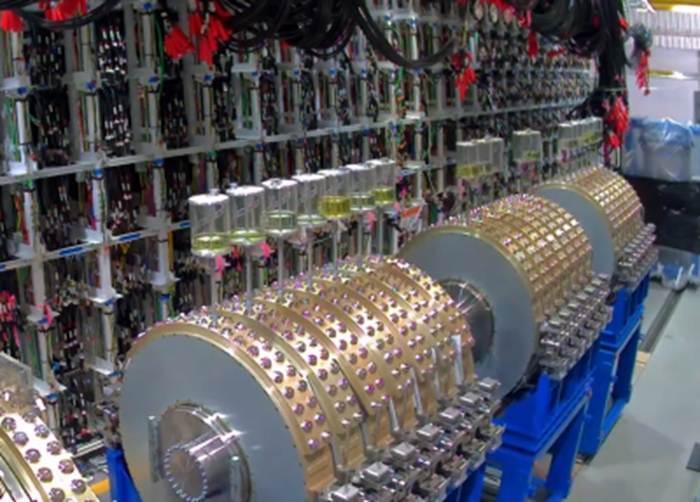
In a strategic move to advance its national security capabilities, the National Nuclear Security Administration (NNSA) has strengthened collaboration with the University of Nevada, Reno (UNR). This partnership focuses on developing technical skills essential for the future operations of the Scorpius Radiography System, a crucial component of the Enhanced Capabilities for Subcritical Experiments (ECSE) portfolio.
The Scorpius system, spearheaded by Sandia, Los Alamos, and Lawrence Livermore laboratories, is designed to capture dynamic events during subcritical experiments. To support this mission, the Site-Directed Research and Development (SDRD) program is enhancing its cooperation with UNR to build a robust talent pipeline equipped with specialized skills.
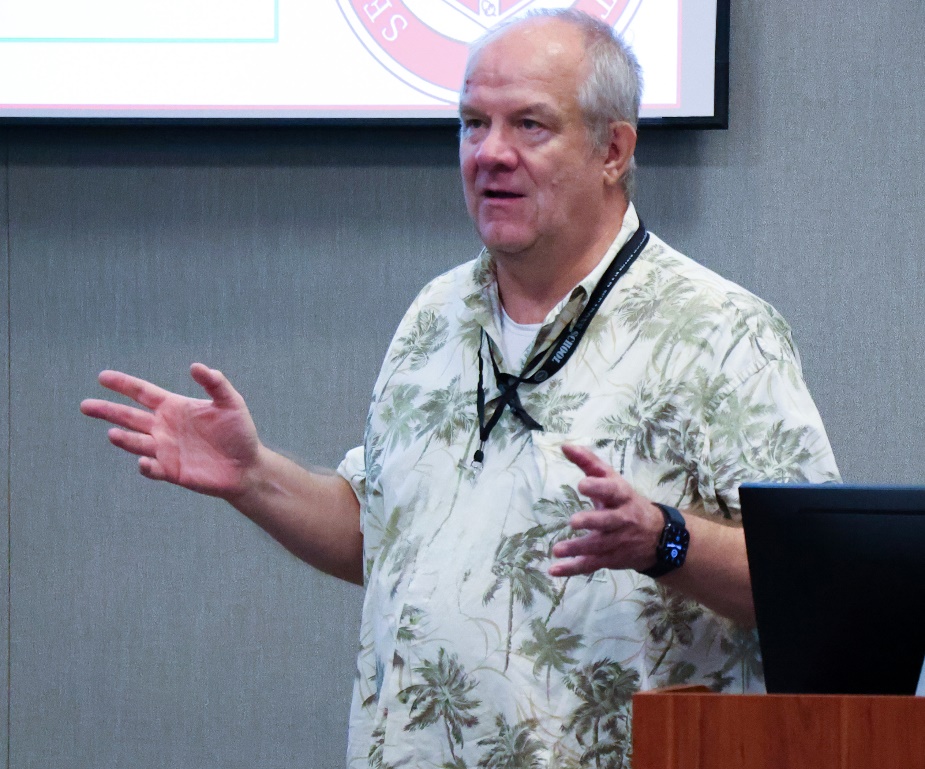
Dr. Piotr Wiewior, manager of ECSE’s Accelerator Physics and Pulsed Power team, highlighted the importance of university partnerships in attracting skilled students. “We need to develop collaborations with institutions we trust and that have good, accredited programs so that we can attract students to fill our hiring needs,” he said.
The decision to collaborate with UNR was influenced by its proximity to the Nevada National Security Site (NNSS) and its track record of successful research in plasma and high energy density physics. This collaboration will benefit both parties by creating research opportunities for students and faculty while addressing NNSS workforce requirements.
To equip the Scorpius accelerator with a capable workforce, the NNSS is actively recruiting master’s and doctoral students from various STEM disciplines at UNR. There is a focus on fields like plasma and laser physics, diagnostics, and materials engineering. Wiewior noted, “We have a particular emphasis on plasma physics, laser physics, diagnostics, and accelerator physics, but we are also looking for students trained in materials science, Earth sciences, chemistry, materials engineering and other engineering disciplines.”
This partnership extends beyond traditional classroom settings, involving hands-on research in areas like beam physics and computational modeling. Such activities allow NNSS staff and UNR academics to collaborate on challenges crucial to national security.
Wiewior and his team aim to establish an accelerator physics program at UNR, providing students with the knowledge necessary to operate systems like Scorpius. “Accelerator physics is a hard program to find at any school,” Wiewior mentioned. “We want to increase the number of graduates who have gone through those classes.”
The initiative includes plans to develop an experimental facility at UNR to support this program, with NNSS contributing to the development of a small accelerator. Wiewior explained, “The students and faculty at UNR will do research on the experiments, the hardware, and the accelerator, and the NNSS will help them build a small accelerator.”
As the collaboration progresses, it promises to bolster the talent pipeline required for the NNSA’s future missions. Wiewior remarked on the promising start of the initiative, “Everyone has great expectations for the future. We have plans to extend the collaboration for the next three to five years and beyond.”
The strategic partnership between NNSS and UNR represents a long-term commitment to enhancing national security capabilities through education and research. Wiewior emphasized, “This effort is a marathon, not a sprint. It will take effort from both sides, but both sides are very interested in this work. I am very hopeful for the future.”
Read More Here

Comments are closed.