Valley Fever: Understanding the Threat in Arizona
In the heart of the American Southwest, residents and visitors alike face the unique challenge of Valley Fever, a disease caused by the Coccidioides fungus. As Arizona grapples with this health concern, the Arizona Department of Health Services (ADHS), in partnership with the Centers for Disease Control and Prevention, is highlighting the issue during the 10th annual Fungal Disease Awareness Week, which runs from September 14 to 18, 2026. The emphasis is on raising awareness as fungal infections can often be misdiagnosed as other illnesses.
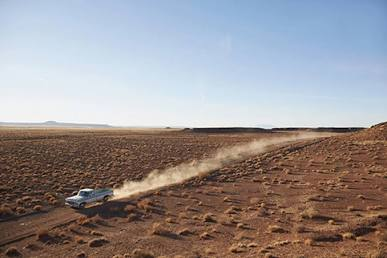
Arizona’s dry desert climate is not just a beautiful landscape; it also harbors the spores of Coccidioides, the fungus responsible for Valley Fever. In 2024, the state reported a significant impact from the disease with:
- 14,763 cases documented
- 986 patients requiring inpatient hospitalization
- 86 fatalities
- A financial burden amounting to $95.5 million in hospitalization charges
While Valley Fever is a risk for anyone in Arizona, there are manageable steps to mitigate its effects:
- Stay alert to symptoms: Understand the usual signs of Valley Fever such as persistent fatigue, cough, fever, or chest pain. More information is available on people at risk.
- Be proactive with healthcare: If symptoms arise, request a specific test for Valley Fever.
- Minimize dust exposure: Take precautions to avoid inhaling dust, especially on windy days or during outdoor activities.
For detailed guidance on protecting yourself and identifying those most at risk, visit the Valley Fever Information and Risk Guide provided by ADHS.
Read More Here