In Arizona, the journey to healthcare is distinctly different depending on one’s address. Residents in rural areas can find themselves traveling nearly ten times longer to reach a hospital compared to their urban counterparts. This disparity is exacerbated by staffing shortages, particularly in primary care, behavioral health, mental health, and maternal health services.
Due to these challenges, rural Arizonans often experience poorer health outcomes, with higher mortality rates from cancer, suicide, cardiovascular disease, and diabetes. This concerning data comes from the University of Arizona Center for Rural Health (CRH).
In response to these disparities, the Health Resources and Services Administration (HRSA) and the State of Arizona have provided the CRH with a five-year funding award totaling $973,640 to bolster the efforts of the Arizona State Office of Rural Health. This initiative aims to tackle healthcare inequalities throughout the state, with the total funding amounting to nearly $5 million over the five-year period.
Additionally, the CRH has secured a non-competing continuation for the third year of a five-year cycle from HRSA to expand Arizona’s Medicare Rural Hospital Flexibility Program and Flex EMS Supplement initiative, with this year’s funding reaching $970,003.
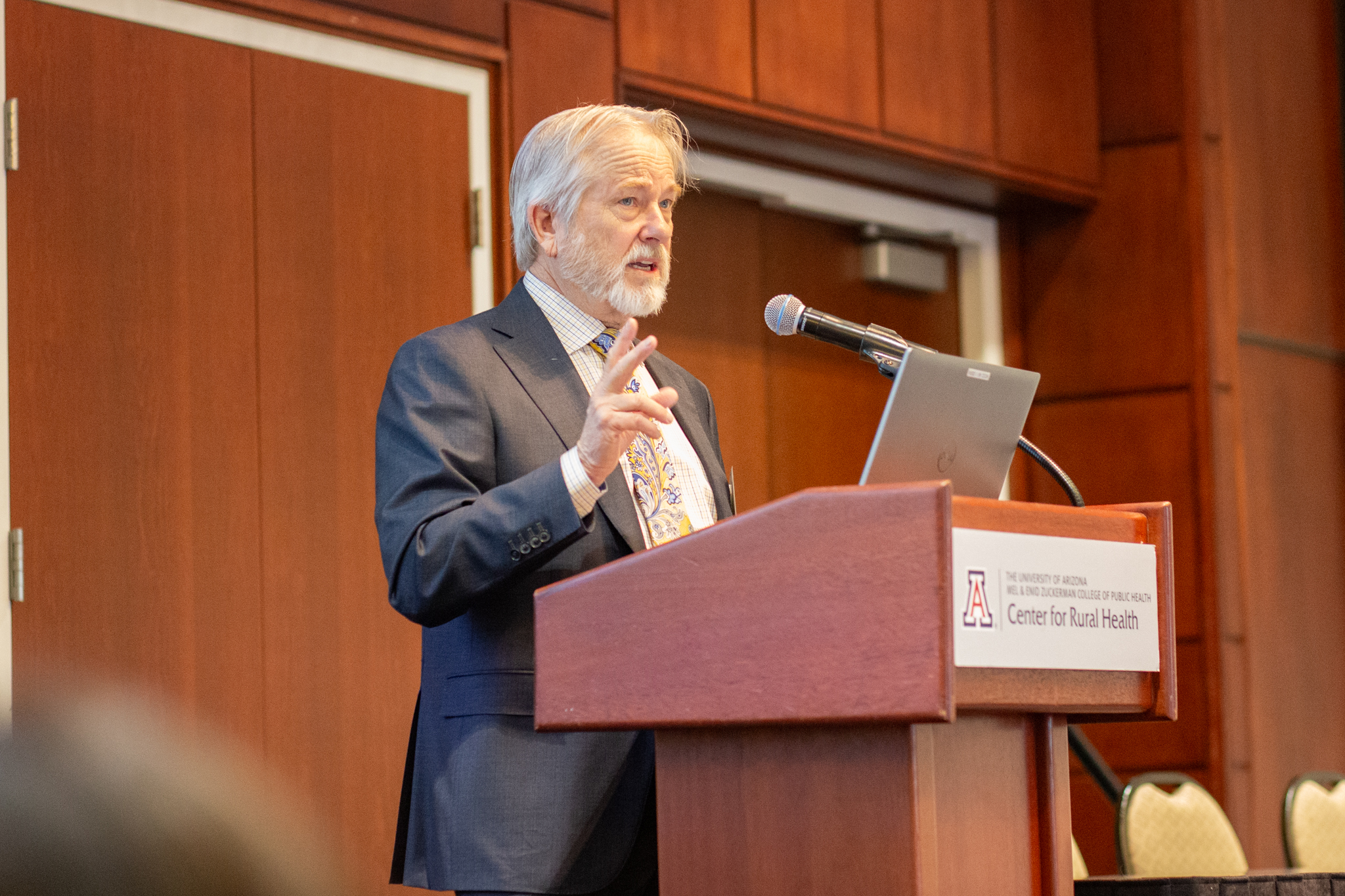
“These awards are great opportunities for all the work we’ve been doing as a land-grant university,” remarked Dr. Daniel Derksen, the Walter H. Pearce Endowed Chair and director of the University of Arizona Center for Rural Health. “State Offices of Rural Health are something that have very broad bipartisan support, both at the federal level and the state levels, so we’re excited to build on that important work over the coming five years.”
The funding will enable the CRH to continue collaborating with rural healthcare providers across Arizona, gathering data to inform health policy decisions, and assisting rural and Tribal hospitals and clinics in preparing for potential changes in federal or state funding by 2027.
“Arizona is the sixth-largest state in land area, and rural and critical access hospitals, community health centers, tribal-run Indian Health Service and rural health clinics often provide services across vast geographic rural areas,” Derksen noted. “Those are the folks we work with through our State Office of Rural Health.”
Derksen also highlighted that the State Office of Rural Health and the State of Arizona’s Rural Health Transformation Program present “exciting opportunities to address some of the intractable challenges in assuring access to rural healthcare in Arizona.”
For detailed insights into the initiatives and achievements of the University of Arizona Center for Rural Health, refer to the 2026 AzCRH Annual Report.
Read More Here