
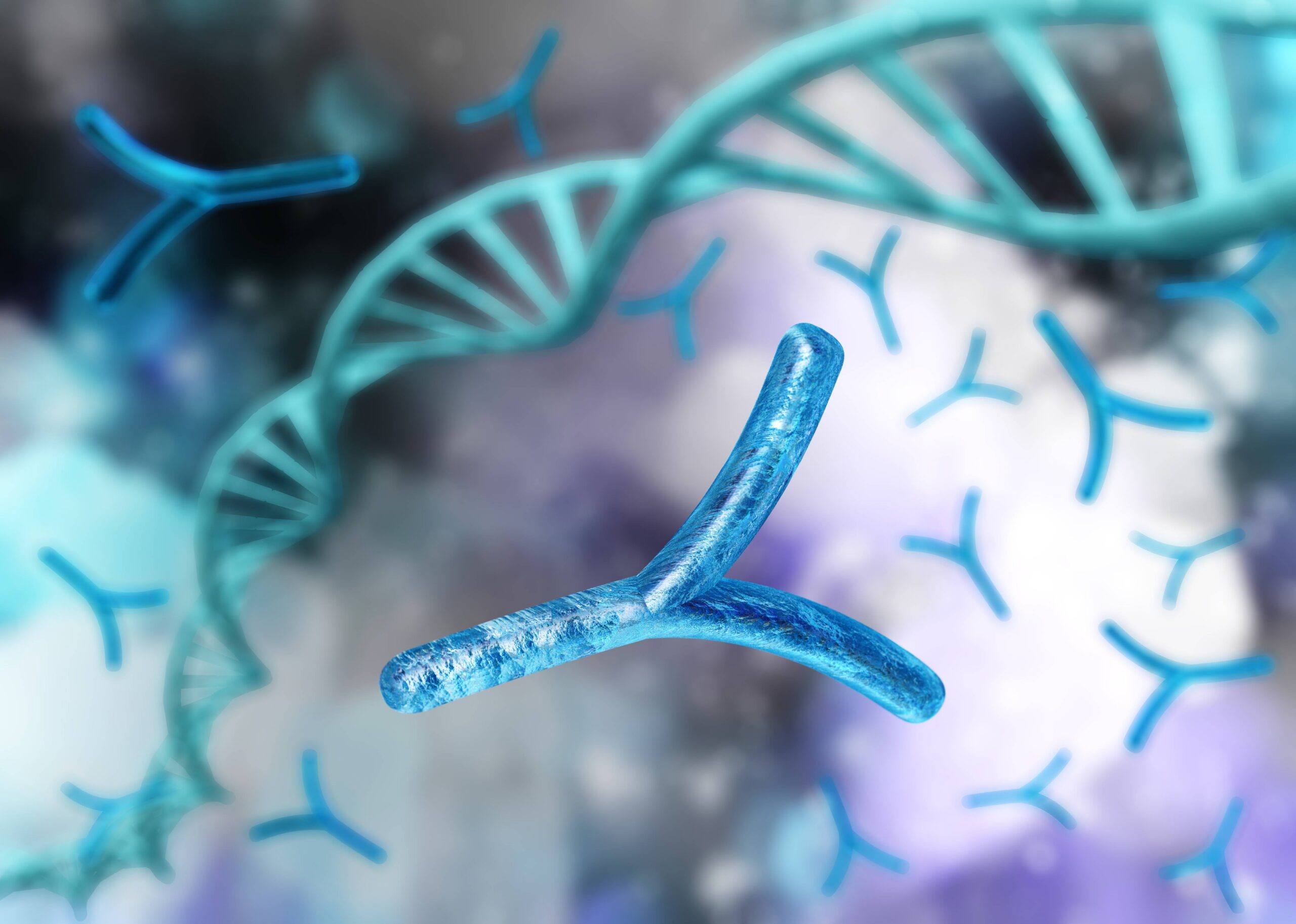
Loss of Y Chromosome: An Early Indicator of Cancer in Men?
Groundbreaking research spearheaded by Dr. Dan Theodorescu, a physician-scientist at the University of Arizona Cancer Center, has identified a potential early warning sign of cancer in men: the loss of the Y chromosome. This genetic phenomenon, reported in a recent JCI Insights publication, could reveal a hidden zone of vulnerability in tissues, potentially leading to cancer development.
Typically, each cell in a man’s body contains one X and one Y chromosome. However, the loss of the Y chromosome, referred to as “Loss of Y,” is a common genetic alteration that increases with age. While prior studies highlighted the increased disease risk associated with Y chromosome loss in blood cells, the latest research provides a comprehensive analysis across normal, pre-cancerous, and malignant tissues in 11 major human organs.
Dr. Theodorescu noted the significance of the findings, stating, “We were able to show that the loss of the Y chromosome is found in normal appearing tissues adjacent to a tumor.” This discovery could serve as one of the earliest indicators of cancer formation, offering a new avenue for early detection.
The research involved analyzing 1,000 tissue samples from 405 men, utilizing an automated fluorescent imaging system to assess over 4.3 million individual cell nuclei for the Y to X chromosome ratio. This detailed approach allowed the team to map out how Y chromosome loss progressed from healthy bladder tissue to cancerous tissue, with significant loss observed in cancers of the colon, rectum, esophagus, pancreas, and lung.
Dr. Theodorescu, who also serves as a professor at the U of A College of Medicine – Tucson, described the findings as a gradient. “The closer the tissue is to a cancer, the more Y chromosome loss we see,” he explained. This gradient may eventually assist medical professionals in identifying potential cancerous areas, especially in biopsies that fail to detect smaller tumors.
Previous work by Theodorescu has explored how Y chromosome loss impairs immune system recognition, offering insights into its link with increased cancer mortality. The study’s collaborative team included first authors Arkadiusz Gertych and Dr. Huihui Ye, along with experts from institutions like Cedars-Sinai Medical Center, Fred Hutchinson Cancer Center, the University of Washington, and the University of California San Francisco.
Funding for this research was partially provided by the National Cancer Institute, a division of the National Institutes of Health, under award No. R35CA294022, granted to Theodorescu.
Read More Here









Comments are closed.