
Researchers at the University of Virginia have unveiled a significant finding that could reshape how medical professionals approach stroke prevention in younger individuals.
Led by Dr. Andrew Southerland, an expert in vascular neurology, the research team identified variations in the expression of 11 genes in individuals who experienced cervical artery dissections. These dissections are a prominent cause of strokes among younger adults. The findings have been detailed in a recent publication in Neurology Genetics.
In a conversation with UVA Today, Southerland elaborated on the study’s implications and the broader understanding of strokes.
Understanding Cervical Artery Dissection
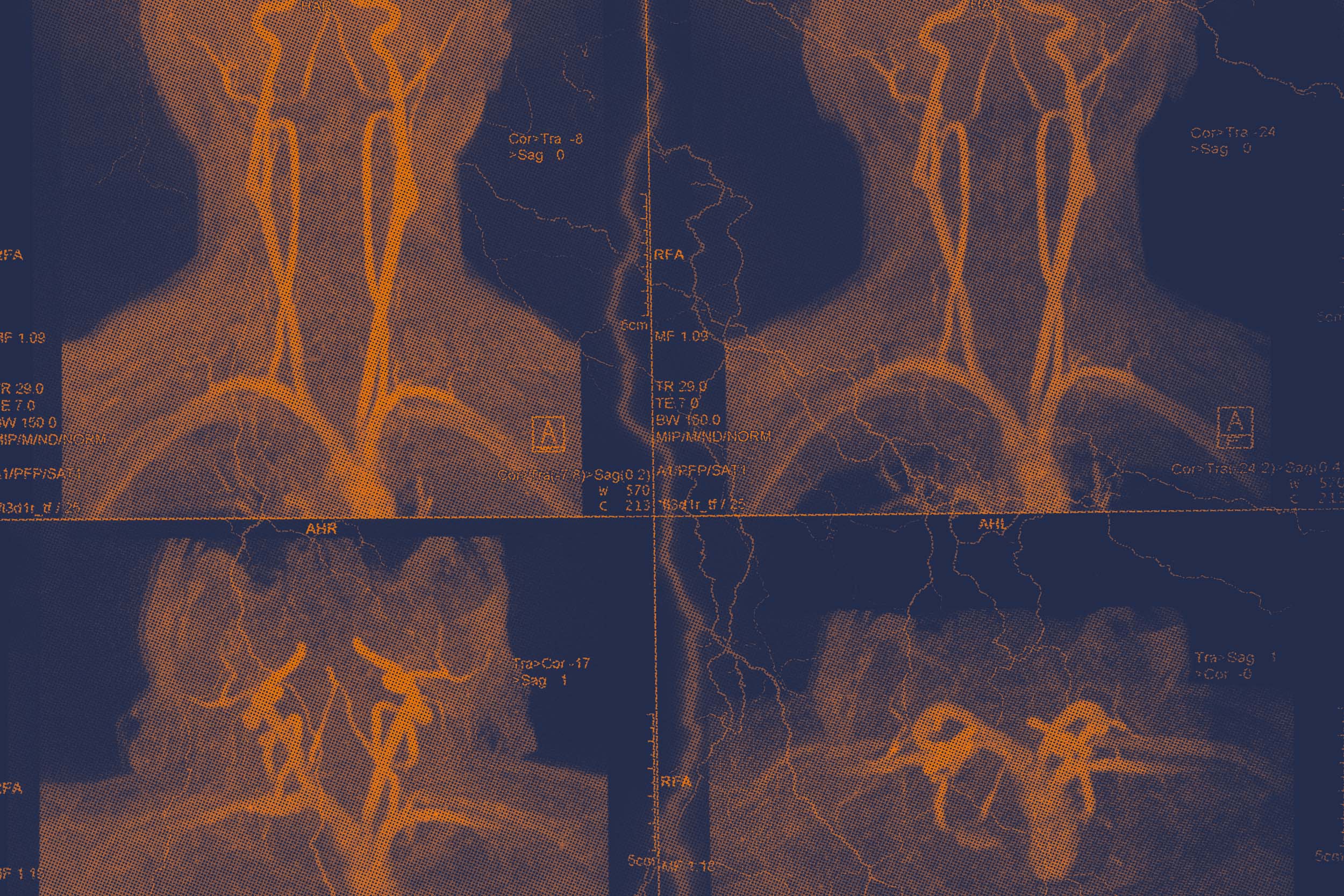
Dr. Southerland explained, “During a cervical artery dissection, there is a tear or an injury to the lining of the artery.” This condition affects the blood vessels responsible for transporting blood and oxygen throughout the body. When a dissection occurs, it can alter blood flow, potentially leading to blockages or the formation of smaller clots that may cause further blockages. The cervical arteries, located in the neck, are vital for channeling blood from the heart to the brain, making any dissection a serious risk factor for strokes.
Strokes in Younger Adults
Despite common perceptions that strokes primarily impact the elderly, they can indeed affect people of all ages. Dr. Southerland noted, “Stroke is a condition that can affect people of many ages, including the young.” In fact, cervical artery dissections contribute to approximately 20% of stroke cases in individuals under 55.
Advancements in Stroke Prediction and Prevention
The study revealed differences in the activity of 11 genes linked to hemoglobin metabolism in those with cervical artery dissections, suggesting a possible connection to impaired oxygen transport. This discovery marks one of the first instances of identifying a distinct gene signature in affected patients. Though preliminary, these insights pave the way for future efforts to pinpoint individuals at risk and potentially avert stroke recurrences.
The research was bolstered by support from the American Heart Association/American Stroke Association and the UVA Medical Student Summer Research Program. Collaborative efforts also included experts from Genome Sciences, Public Health Sciences, and several partner institutions.
Research Methodology
The team participated in the global CADISP study, focusing on “Cervical Artery Dissection and Ischemic Stroke Patients.” Their approach included genome-wide association studies to identify DNA differences in those with cervical artery dissections. The recent study employed gene expression analysis to examine RNA production and its role in protein synthesis. Researchers analyzed which genes were activated or deactivated in patients during the occurrence of dissections, comparing these patterns with unaffected individuals of similar demographics.
Read More Here






![Robert Harmon Celebrates 99th Birthday at UVA’s Homecomings Weekend[embed]https://www.youtube.com/watch?v=c_VPFnE8x-w[/embed]](https://realnewsfast.com/wp-content/uploads/2026/10/Robert-Harmon-Celebrates-99th-Birthday-at-UVAs-Homecomings-Weekendembedhttpswwwyoutubecomwatchvc_VPFnE8x-wembed-300x200.jpg "Robert Harmon Celebrates 99th Birthday at UVA’s Homecomings Weekend[embed]https://www.youtube.com/watch?v=c_VPFnE8x-w[/embed]")
![Environmental Opera “Auksalaq” Opens UVA’s Arts on the Hill Series[embed]https://www.youtube.com/watch?v=PjYuP9wh3Hw[/embed]](https://realnewsfast.com/wp-content/uploads/2026/10/Environmental-Opera-Auksalaq-Opens-UVAs-Arts-on-the-Hill-SeriesembedhttpswwwyoutubecomwatchvPjYuP9wh3Hwembed-300x200.jpg "Environmental Opera “Auksalaq” Opens UVA’s Arts on the Hill Series[embed]https://www.youtube.com/watch?v=PjYuP9wh3Hw[/embed]")
![New documentary explores Elizabeth Holmes’ final days before prison[embed]https://www.youtube.com/watch?v=GGJSRFWALTI[/embed]](https://realnewsfast.com/wp-content/uploads/2026/10/New-documentary-explores-Elizabeth-Holmes-final-days-before-prisonembedhttpswwwyoutubecomwatchvGGJSRFWALTIembed-300x200.jpg "New documentary explores Elizabeth Holmes’ final days before prison[embed]https://www.youtube.com/watch?v=GGJSRFWALTI[/embed]")