
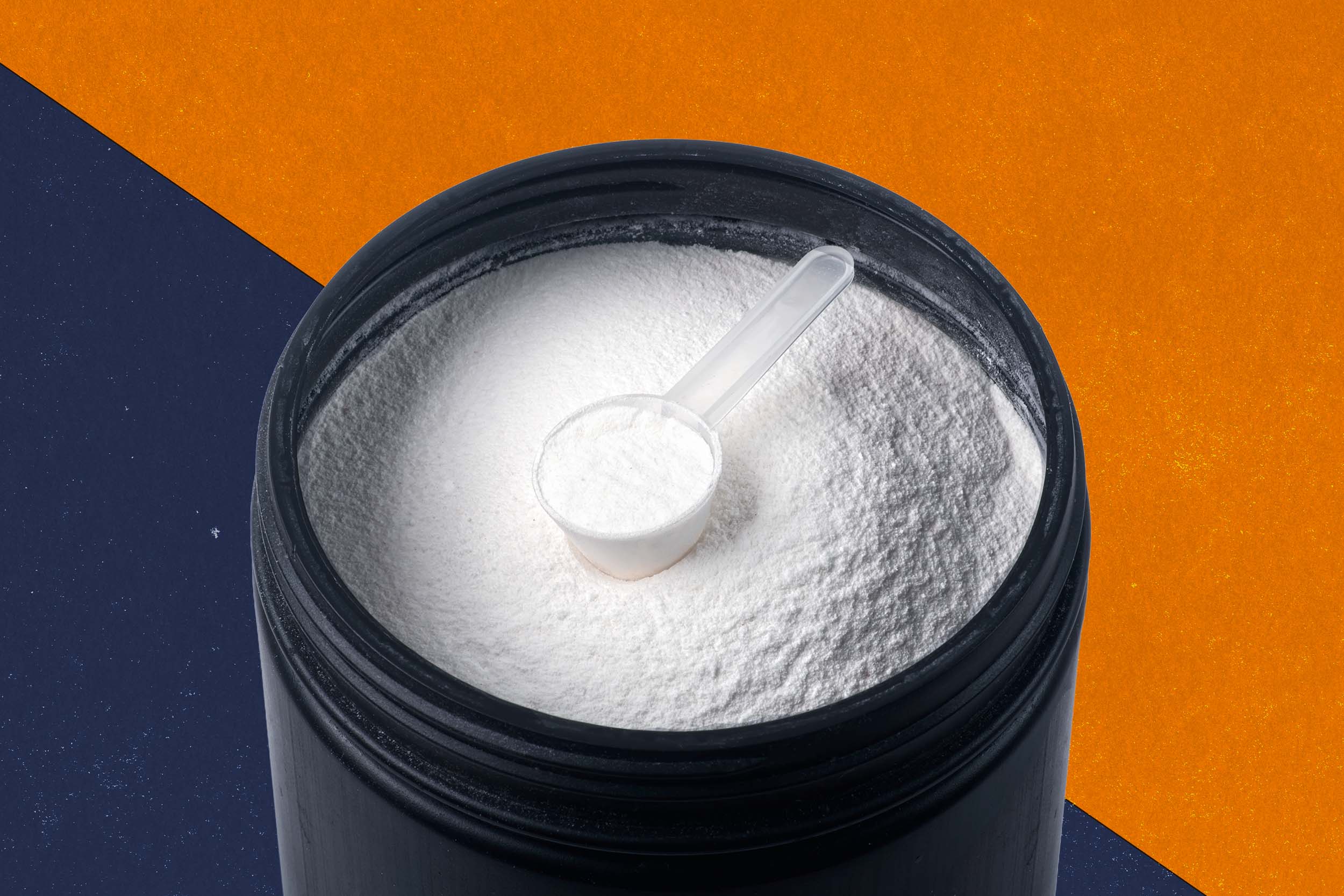
Creatine, a supplement traditionally favored by athletes for its muscle-enhancing properties, is now being recognized for its potential benefits in brain health, particularly for women undergoing menopause. This compound, naturally found in the body, plays a crucial role in energy storage, primarily within muscles.
According to Katherine Basbaum, a registered dietitian at the University of Virginia, “When you take creatine, it acts as an energy catalyst in your cells, helping to regenerate the main source of energy in the body, called ATP – adenosine triphosphate.” She further explains that both the brain and muscles heavily rely on ATP for optimal function, with creatine supplements aiding in replenishing this vital energy source.
Understanding the Benefits
Research highlighted by Basbaum indicates that creatine can enhance muscle strength, boost exercise performance, and preserve lean muscle mass. Additionally, it is suggested to improve mood, memory, and cognitive functions. For women experiencing perimenopause and menopause, it may alleviate brain fog.
Basbaum notes that emerging studies are delving into the advantages of creatine for women in these life stages. “You get older, and your estrogen levels start to drop. Then your body’s ability to create or reduce creatine starts to drop as well, which is the reason why people supplement it in order to boost their levels of creatine for things like mood and cognition,” she said. Some research also hints at creatine enhancing the performance of SSRIs, a category of antidepressants.
Rising Popularity
Creatine’s enduring popularity is attributed to extensive and ongoing research that continues to affirm its safety and benefits, according to Basbaum. She remarks, “And with this newer research targeting not just young adults and athletic performance, but also women 50 and older who struggle with muscle loss and mood, cognitive and memory issues due to hormone shifts, interest in creatine supplementation is now reaching a broader demographic.”
For those considering creatine, Basbaum advises that it typically takes about three to four weeks for the supplement to manifest visible results. The recommended daily intake generally falls within the range of 3 to 5 grams.
Read More Here






![Robert Harmon Celebrates 99th Birthday at UVA’s Homecomings Weekend[embed]https://www.youtube.com/watch?v=c_VPFnE8x-w[/embed]](https://realnewsfast.com/wp-content/uploads/2026/10/Robert-Harmon-Celebrates-99th-Birthday-at-UVAs-Homecomings-Weekendembedhttpswwwyoutubecomwatchvc_VPFnE8x-wembed-300x200.jpg "Robert Harmon Celebrates 99th Birthday at UVA’s Homecomings Weekend[embed]https://www.youtube.com/watch?v=c_VPFnE8x-w[/embed]")
![Environmental Opera “Auksalaq” Opens UVA’s Arts on the Hill Series[embed]https://www.youtube.com/watch?v=PjYuP9wh3Hw[/embed]](https://realnewsfast.com/wp-content/uploads/2026/10/Environmental-Opera-Auksalaq-Opens-UVAs-Arts-on-the-Hill-SeriesembedhttpswwwyoutubecomwatchvPjYuP9wh3Hwembed-300x200.jpg "Environmental Opera “Auksalaq” Opens UVA’s Arts on the Hill Series[embed]https://www.youtube.com/watch?v=PjYuP9wh3Hw[/embed]")
![New documentary explores Elizabeth Holmes’ final days before prison[embed]https://www.youtube.com/watch?v=GGJSRFWALTI[/embed]](https://realnewsfast.com/wp-content/uploads/2026/10/New-documentary-explores-Elizabeth-Holmes-final-days-before-prisonembedhttpswwwyoutubecomwatchvGGJSRFWALTIembed-300x200.jpg "New documentary explores Elizabeth Holmes’ final days before prison[embed]https://www.youtube.com/watch?v=GGJSRFWALTI[/embed]")