
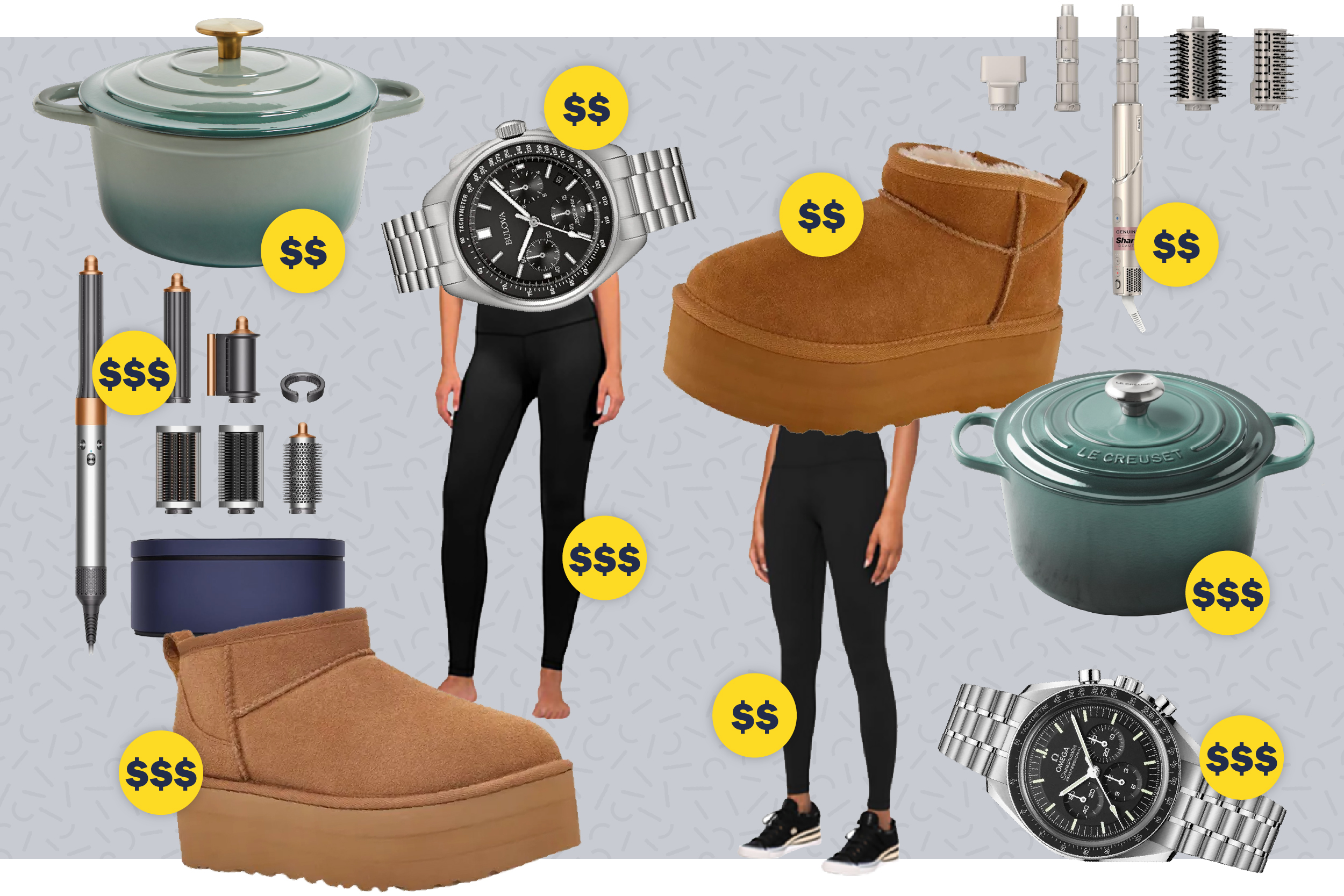
In today’s consumer landscape, the allure of counterfeit products, or “dupes,” is gaining traction among American shoppers. These affordable alternatives offer a compelling proposition and are increasingly becoming a badge of honor rather than a source of embarrassment.
The concept of dupes isn’t novel. In the early 2000s, makeup enthusiasts were already sharing budget-friendly alternatives to high-end products. Long before the internet era, 18th-century French women sought replicas of Marie Antoinette’s lavish attire. However, the modern twist lies in the pride consumers take in purchasing these lookalikes, akin to Costco’s Kirkland brand, which offers perceived value similar to premium brands but at a friendlier price.
Legal Loopholes in Manufacturing
UVA Today engaged with Luca Cian, a professor at the University of Virginia Darden School of Business, to delve into the dynamics of this trend and how companies sidestep legal repercussions. According to Cian, “the law protects brand names, logos, and truly distinctive design elements,” but offers limited protection to general styles or product ideas, particularly in fashion.
As long as dupes steer clear of protected elements and don’t mislead consumers regarding their origin, they typically withstand legal scrutiny. The UGG case exemplifies the challenges of enforcement. Despite Deckers’ lawsuit against Quince for similar boots, a judge deemed UGG’s designs too generic for protection, and Quince emerged without paying damages. This illustrates the difficulty in safeguarding even the most iconic designs.
Shared Production Lines
There are instances where the same manufacturers produce both branded and dupe products. Many brands outsource production, allowing factories to create similar items for different clients or sell unbranded versions through various channels. However, Cian advises skepticism towards “same factory” claims, as they often serve as marketing tactics. Some viral videos from Chinese manufacturers have claimed luxury goods originate from their lines, with varying degrees of truth.
Shifting Perceptions
Cian attributes the growing acceptance of dupes to several societal shifts. Initially, owning a knockoff indicated financial constraints; now, it signifies shrewd consumer behavior. Social media platforms like TikTok have transformed dupe hunting into a popular pursuit, with #dupe videos amassing billions of views. His research suggests that being a savvy shopper has become a desirable social identity.
The stigma associated with knockoffs has diminished due to the absence of pretense. Consumers openly showcase their affordable finds, such as $28 leggings resembling $98 originals, earning praise for their smart choices. Moreover, the prevalence of dupe purchases—about one-third of American adults and half of Gen Z—has normalized the trend.
Beyond the Fashion Realm
The appeal of dupes extends beyond fashion, permeating categories where perceived value gaps exist. Social media encourages creators to find the next affordable alternatives to high-priced items, from Dyson products to Le Creuset cookware. Platforms like Temu, Shein, and Amazon facilitate rapid production and distribution of lookalikes following a viral trend.
The grocery sector exemplifies this longstanding behavior, with store brands and private labels offering cost-effective options. Aldi, for instance, has thrived on this model. TikTok has simply rebranded an age-old practice with a trendier name.
Future Prospects
While the dupe phenomenon shows no signs of abating due to ongoing economic pressures and social media dynamics, Cian identifies potential limits. Quality fatigue is one such constraint, as evidenced by a Morning Consult survey, which revealed a decline in intentional dupe purchases, particularly among millennials disillusioned by subpar quality. Negative experiences can serve as a deterrent, prompting consumers to reconsider their choices.
Read More Here





![Robert Harmon Celebrates 99th Birthday at UVA’s Homecomings Weekend[embed]https://www.youtube.com/watch?v=c_VPFnE8x-w[/embed]](https://realnewsfast.com/wp-content/uploads/2026/10/Robert-Harmon-Celebrates-99th-Birthday-at-UVAs-Homecomings-Weekendembedhttpswwwyoutubecomwatchvc_VPFnE8x-wembed-300x200.jpg "Robert Harmon Celebrates 99th Birthday at UVA’s Homecomings Weekend[embed]https://www.youtube.com/watch?v=c_VPFnE8x-w[/embed]")
![Environmental Opera “Auksalaq” Opens UVA’s Arts on the Hill Series[embed]https://www.youtube.com/watch?v=PjYuP9wh3Hw[/embed]](https://realnewsfast.com/wp-content/uploads/2026/10/Environmental-Opera-Auksalaq-Opens-UVAs-Arts-on-the-Hill-SeriesembedhttpswwwyoutubecomwatchvPjYuP9wh3Hwembed-300x200.jpg "Environmental Opera “Auksalaq” Opens UVA’s Arts on the Hill Series[embed]https://www.youtube.com/watch?v=PjYuP9wh3Hw[/embed]")
![New documentary explores Elizabeth Holmes’ final days before prison[embed]https://www.youtube.com/watch?v=GGJSRFWALTI[/embed]](https://realnewsfast.com/wp-content/uploads/2026/10/New-documentary-explores-Elizabeth-Holmes-final-days-before-prisonembedhttpswwwyoutubecomwatchvGGJSRFWALTIembed-300x200.jpg "New documentary explores Elizabeth Holmes’ final days before prison[embed]https://www.youtube.com/watch?v=GGJSRFWALTI[/embed]")