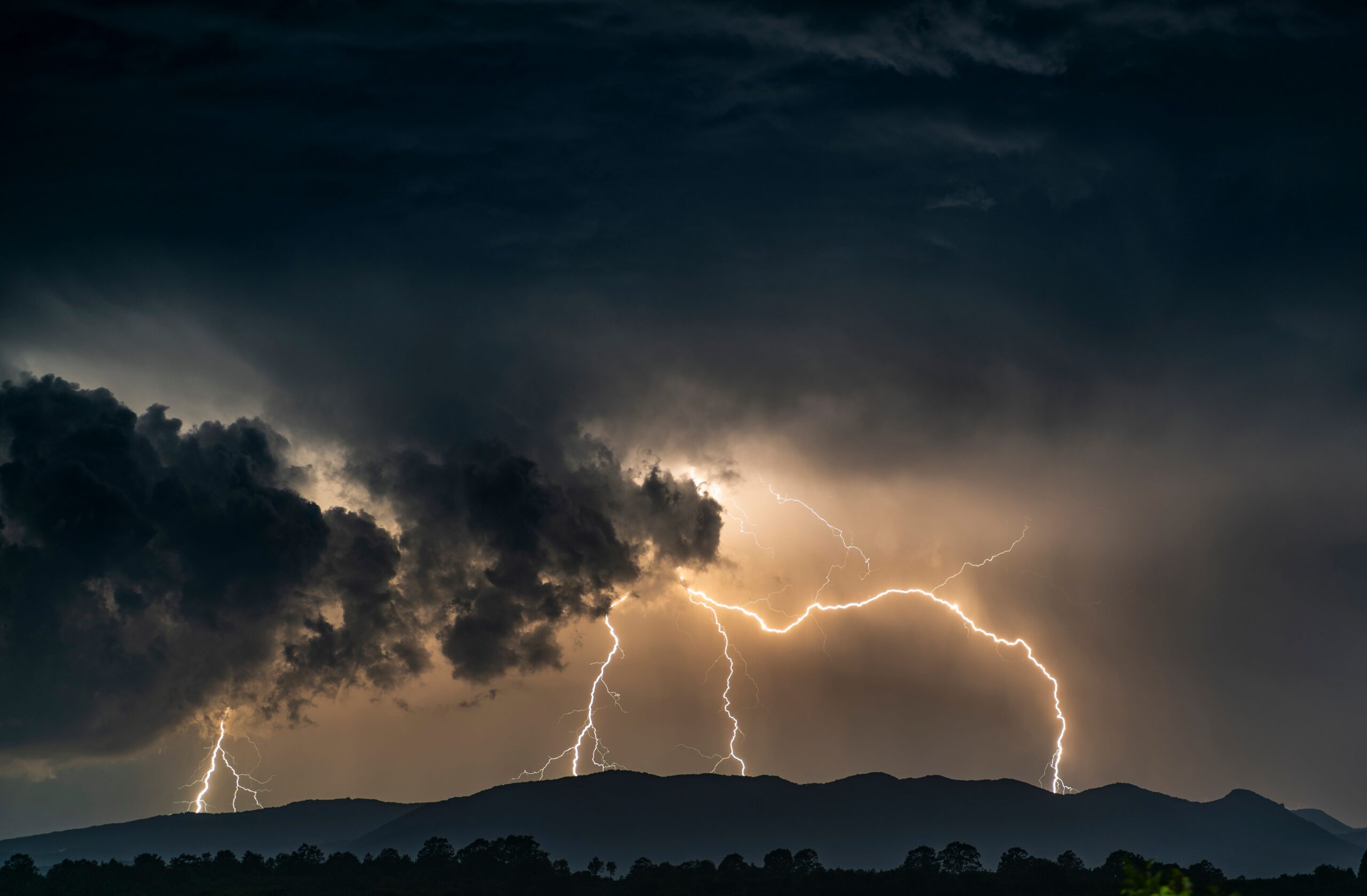
The North American monsoon season is not just about the weather; it’s also about community engagement and friendly competition. Starting on June 15, the Southwest Monsoon Fantasy Forecasts began, inviting participants to predict rainfall and test their forecasting skills.
Now in its sixth year, this engaging game is organized by the Arizona Institute for Resilience at the University of Arizona. Each season, weather enthusiasts are challenged to forecast rainfall in five key cities: Tucson, Phoenix, Flagstaff, Albuquerque, and El Paso. Participants estimate rainfall over July, August, and September, earning points for accuracy.
Zack Guido, an associate professor at the Arizona Institute for Resilience and the principal investigator of the project, highlights the complexity of predicting monsoonal patterns. “Predicting rainfall for the next two or three days is itself a significant challenge in the monsoon. Predicting a full season? We don’t have good answers and so we decided to turn the question around to the people who live in the region,” Guido said. “We turned that into a game.”
This year, the game expands with a weekly tournament feature, allowing participants to focus on individual cities rather than all five. Modeled like a sports ladder, players compete weekly, starting with an equal ranking and adjusting as they win or lose matchups. “It’s just like how the USTA tennis works – you get points if you win your matches, and then you go up in the rankings,” Guido explained.
Each week, players start with a baseline score of 1000. They are randomly paired in the first week, with subsequent matchups based on their current standings. Winning a matchup earns 32 points, and additional points are awarded for forecast accuracy, with a perfect prediction doubling the score.
Registration is currently open, and participants can choose to engage in either or both the seasonal challenge and weekly tournament. Monthly forecasts must be submitted by the end of June, July, and August, while weekly forecasts are due each Monday.
This year also features a new initiative to understand participants’ forecasting methods. Guido and his team are interested in discovering which tools players use, from professional forecasts to personal insights, and whether these change through game participation.
What to Expect from the Season
The seasonal outlook is influenced by a strong El Niño, according to Michael Crimmins, a climate extension specialist at the Department of Environmental Science. Historically, such conditions lead to a slow monsoon start, picking up mid-season and potentially turning wetter by late summer due to tropical storm activity.
Interestingly, current climate models suggest July might see above-average rainfall, contradicting past trends. “That leaves me a little bit confused. Models are leaning one way, but history suggests a different path, so we’ll just have to wait and see,” Crimmins stated. He anticipates potential tropical storms could bring significant moisture later in the season, particularly in late August and September.
Read More Here

![Casey Scharf’s Journey: From UVA to Filming with Bill Murray[embed]https://www.youtube.com/watch?v=G-oCpAnX_ic[/embed]](https://realnewsfast.com/wp-content/uploads/2026/10/Casey-Scharfs-Journey-From-UVA-to-Filming-with-Bill-MurrayembedhttpswwwyoutubecomwatchvG-oCpAnX_icembed-300x200.jpg "Casey Scharf’s Journey: From UVA to Filming with Bill Murray[embed]https://www.youtube.com/watch?v=G-oCpAnX_ic[/embed]")