Arizona is gearing up its defenses against the potential threat of the New World screwworm, a parasitic pest known for its devastating impact on livestock and wildlife. The University of Arizona has secured a substantial $3.74 million Grand Challenge Grant from the U.S. Department of Agriculture to bolster the state’s preparedness and response capabilities.
The New World screwworm differs from typical flies, as its larvae invade and consume the living tissue of warm-blooded animals, leading to serious and potentially fatal wounds if not swiftly addressed. This pest was previously eradicated in the U.S. through a collaborative U.S.-Mexico initiative that utilized sterile fly release, a technique that curtails pest reproduction, alongside coordinated monitoring and public education efforts.
Orchestrated by Amy Ganguli, an extension specialist in the College of Agriculture, Life and Environmental Sciences, the grant proposal was developed through a rapid and inclusive collaboration, engaging stakeholders such as the Arizona Cattle Growers’ Association, veterinarians, governmental bodies, and conservation organizations.
“What made our proposal unique is that we used transdisciplinary approaches to developing it where producers were at the table from the start,” Ganguli stated.
The project leverages expertise from various fields including veterinary diagnostics, precision livestock technology, and agricultural economics. A comprehensive assessment will gauge the economic impact of the screwworm on Arizona and evaluate response strategies, such as the establishment of an Arizona-based sterile fly distribution center.
Paul Brierley, director of the Arizona Department of Agriculture, expressed optimism about the collaboration. “As our State Veterinarian’s Office works hard to prepare Arizona for the New World screwworm, which we hope never makes it here, it is terrific to have a partner like the University of Arizona working alongside us,” he said. He highlighted the importance of innovative resources provided through this partnership to support livestock producers across Arizona’s counties and tribes.
Faster Detection Through Diagnostic Innovation
Early detection is crucial in controlling the New World screwworm, yet traditional methods rely on the expertise of entomologists for morphological identification. Emily Janovyak, assistant director of the Arizona Veterinary Diagnostic Laboratory, is leading efforts to validate a PCR-based diagnostic tool. This tool could enhance the current diagnostic approach by expanding testing capabilities.
“Many foreign animal diseases are tested by PCR, a reliable technology that allows us to perform testing in volume much more efficiently,” Janovyak explained. The molecular platform offers a more scalable solution, potentially allowing a broader range of laboratory professionals to participate in the testing process.
An Extra Set of Eyes on Remote Rangelands
Arizona’s ranchers face challenges in monitoring animals across extensive rangelands. Flavie Audoin, an assistant extension specialist, is exploring the use of virtual fencing collars and GPS ear tags as tools to provide additional surveillance. These technologies could help detect early signs of illness, such as reduced movement or unusual behavior indicative of the screwworm.
“This work represents one of the first efforts to integrate precision livestock technologies into disease surveillance on rangelands,” Audoin noted.
Predicting the Spread
Wildlife plays a significant role in the spread of the New World screwworm. Leigh Combrink, assistant professor of wildlife disease and conservation, is developing a forecasting tool that utilizes ecological data and weather patterns to create risk maps for the screwworm. This initiative aims to predict areas at increased risk over time using machine-learning methods.
“We are designing a framework that we want to be completely transferable. While it will be geared toward our conditions here, the process can be used by other states with their own data sets,” Combrink said.
Strengthening Readiness and Lessons from Past Outbreaks
A key aspect of the project involves statewide outreach and training, capitalizing on the expertise of the Arizona Livestock Incident Response Team. Katie Spanyers, a Cooperative Extension area agent, emphasized the importance of hands-on workshops to foster collaboration among stakeholders.
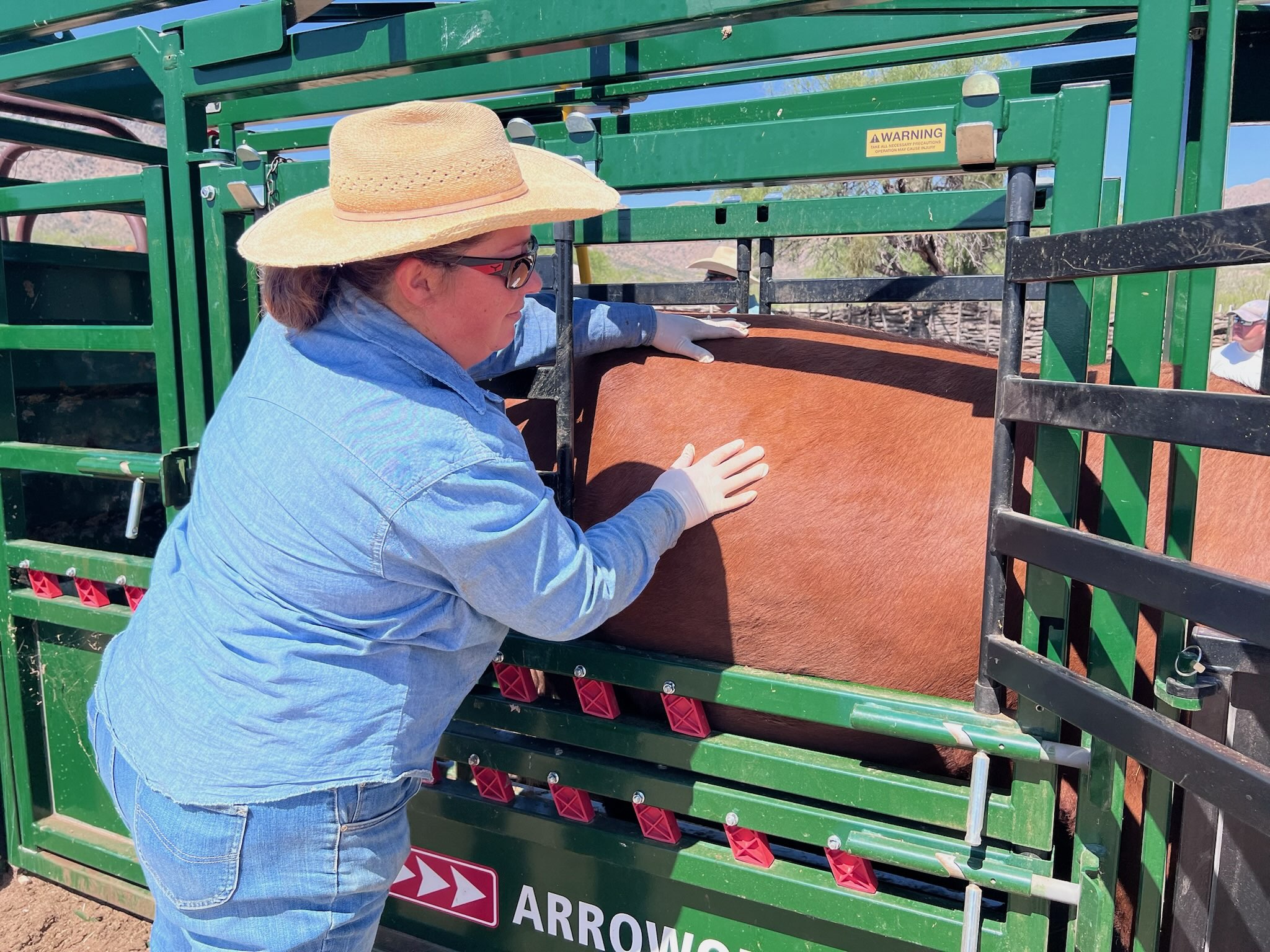
Training will incorporate virtual reality simulations for practical experience in identifying and managing screwworm infestations. Mobile livestock handling trailers will facilitate safe animal examinations during workshops and can be deployed during outbreaks.
To preserve the knowledge from the 1970s when the screwworm was last eradicated in the U.S., the team plans to conduct oral histories and focus groups with ranchers and animal health professionals. This historical insight will guide modern strategies for prevention and response.
Ganguli underscored the proactive approach: “The way we think about our approach goes back to the old saying, ‘an ounce of prevention is worth a pound of cure.’ If we can stay ahead of this, then we’re saving not just money, but heartache as well.”
Read More Here