
Breathing a little easier might not just be a figure of speech for Michigan residents — state data shows the air quality across much of the state is genuinely getting cleaner. A new report from Michigan’s environmental agency signals that years of effort to cut ozone pollution are paying off.
Michigan’s Department of Environment, Great Lakes and Energy (EGLE) released findings showing that air quality improved during the 2026 ozone season, extending a positive long-term trend for the state. Officials monitor ozone levels intensively between March and October each year, when warmer temperatures and sunlight cause concentrations to rise.
Ozone is a gas found in Earth’s atmosphere. It can form naturally or as a result of human activity, and when it builds up at ground level, it can seriously degrade air quality — particularly for people who already have breathing problems. According to the Environmental Protection Agency, elevated ozone levels can lead to difficulty breathing for those with compromised respiratory systems.
Tom Shanley, an air quality evaluation manager with EGLE, described the overall picture as encouraging.
“The air quality is continuing to improve, and we are attaining the federal standards throughout much of the state,”
Shanley said.
One City Still Falls Short
Holland was the lone city in Michigan that failed to meet federal ozone standards this season. However, EGLE noted the situation may be largely out of the state’s hands — officials believe the elevated readings in Holland are likely caused by ozone pollution drifting across Lake Michigan from neighboring states rather than from local sources.
Wildfire Smoke Adds a New Wrinkle
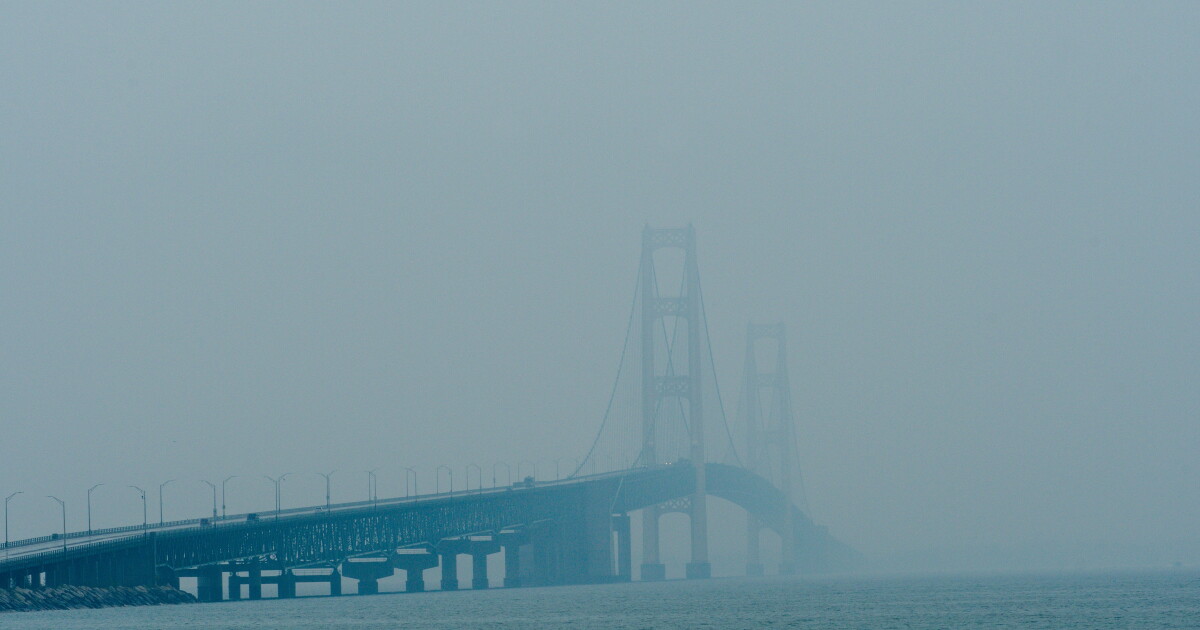
Even as traditional ozone pollution declines, Shanley pointed to a growing concern that is increasingly affecting Michigan’s air: smoke from wildfires. In July, the state saw dangerously poor air quality when smoke from Canadian wildfires drifted southward into the region. That event was not an isolated incident.
“We have, in the last five to ten years, noticed an increase in impacts from wildfire smoke, whether it’s from places out northwest U.S. or in Canada,”
Shanley said.
That trend introduces a challenge that differs from conventional air pollution — it originates far outside Michigan’s borders and is difficult for state officials to control or predict. As wildfire seasons intensify across North America, environmental managers in Michigan and elsewhere are increasingly factoring smoke events into their air quality planning.
For more local and regional news on Michigan’s environment and air quality monitoring, state officials continue to track conditions throughout the year and publish updates as data becomes available.






Comments are closed.