
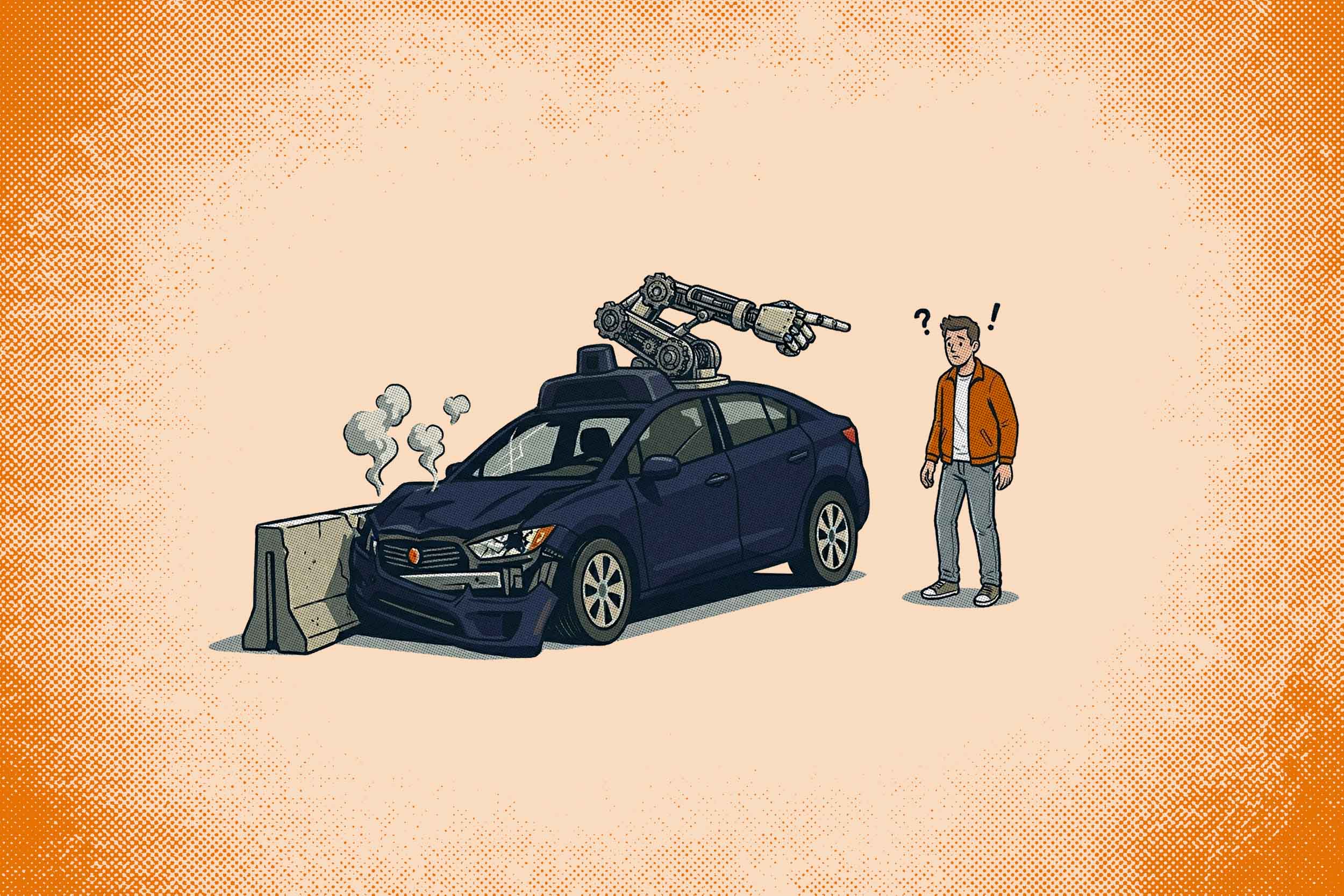
As artificial intelligence (AI) continues to advance, it brings with it a host of ethical and legal challenges. From healthcare to autonomous vehicles, the implications of AI errors are significant and complex. David Danks, a professor at the University of Virginia with expertise in both philosophy and data science, provides insights into the accountability issues surrounding AI.
High-Stakes Mistakes and Human Accountability
When asked about accountability for AI mistakes, Danks describes a potential future where humans are held responsible for AI errors. He notes that in some cases, professionals like radiologists may be required to approve AI-generated diagnoses without the opportunity to thoroughly verify them. This could lead to humans becoming scapegoats for AI errors, as they are forced to endorse decisions they did not make or fully understand.
Rethinking Accountability in AI Systems
Danks suggests an alternative approach where the creators and companies behind AI systems share in the accountability. He points out that product liability law is well-established globally and could be applied to AI systems. Companies like OpenAI could negotiate liability through contracts, a standard practice in contract law. However, he emphasizes the need for more than just liability due to AI systems’ ability to act unpredictably without direct human prompts.
The Future of AI Accountability
Danks predicts that accountability issues will first arise in consumer robotics and autonomous vehicles. He poses a scenario involving self-driving cars: if an accident occurs while no one is in the car, who is liable? The car owner, the manufacturer, or an insurance policy specifically for self-driving technology? Danks believes these questions will need resolution within the next decade as AI technology becomes more integrated into daily life.
Read More Here



![Robert Harmon Celebrates 99th Birthday at UVA’s Homecomings Weekend[embed]https://www.youtube.com/watch?v=c_VPFnE8x-w[/embed]](https://realnewsfast.com/wp-content/uploads/2026/10/Robert-Harmon-Celebrates-99th-Birthday-at-UVAs-Homecomings-Weekendembedhttpswwwyoutubecomwatchvc_VPFnE8x-wembed-300x200.jpg "Robert Harmon Celebrates 99th Birthday at UVA’s Homecomings Weekend[embed]https://www.youtube.com/watch?v=c_VPFnE8x-w[/embed]")
![Environmental Opera “Auksalaq” Opens UVA’s Arts on the Hill Series[embed]https://www.youtube.com/watch?v=PjYuP9wh3Hw[/embed]](https://realnewsfast.com/wp-content/uploads/2026/10/Environmental-Opera-Auksalaq-Opens-UVAs-Arts-on-the-Hill-SeriesembedhttpswwwyoutubecomwatchvPjYuP9wh3Hwembed-300x200.jpg "Environmental Opera “Auksalaq” Opens UVA’s Arts on the Hill Series[embed]https://www.youtube.com/watch?v=PjYuP9wh3Hw[/embed]")
![New documentary explores Elizabeth Holmes’ final days before prison[embed]https://www.youtube.com/watch?v=GGJSRFWALTI[/embed]](https://realnewsfast.com/wp-content/uploads/2026/10/New-documentary-explores-Elizabeth-Holmes-final-days-before-prisonembedhttpswwwyoutubecomwatchvGGJSRFWALTIembed-300x200.jpg "New documentary explores Elizabeth Holmes’ final days before prison[embed]https://www.youtube.com/watch?v=GGJSRFWALTI[/embed]")