
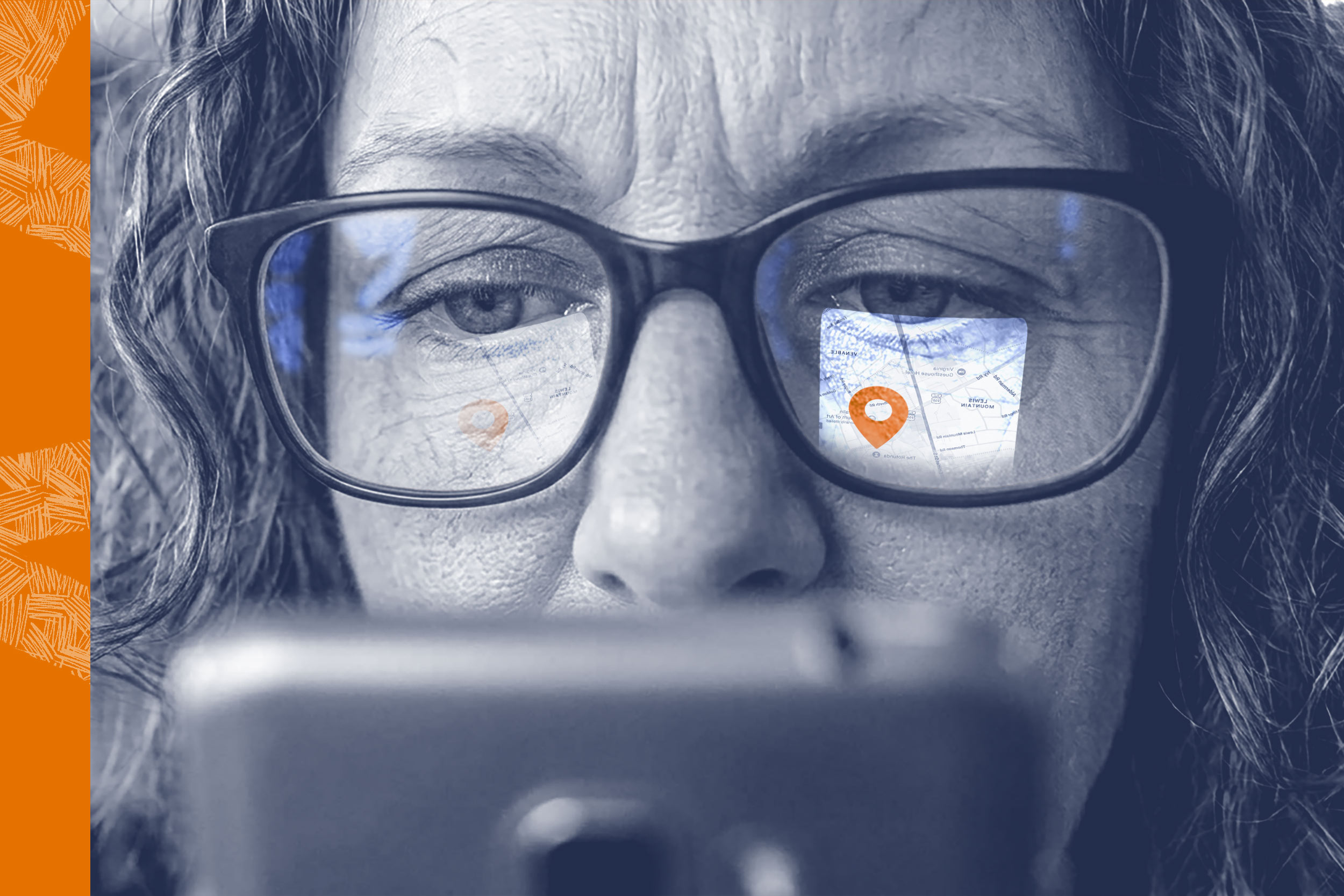
In an era where digital connectivity is ubiquitous, many parents find themselves grappling with the balance between their young adults’ autonomy and safety. A recent survey by the University of Michigan reveals that over 50% of parents with children aged 18 to 25 use smartphone apps for tracking purposes.
As the incoming Class of 2030 prepares to start their journey at the University of Virginia, it’s worth considering if this practice requires reevaluation.
UVA Today engaged in a conversation with Bethany Teachman, a clinical psychology professor at UVA, and her daughter Haven, who is entering her sophomore year. Their family dynamic offers a unique perspective on the balance between tracking and trust.
Trust Should Be the Foundation of Tracking
Safety, convenience, and connection should be distinguished from surveillance and control, according to both Bethany and Haven Teachman.
Haven remarked, “I think a lot of it depends on whether it is being used to support safety in a relationship built on trust, or if it is used as a detective or policing tool because there is a lack of trust. It is healthy to be curious about your child or parent, to worry about their safety, and to have two-way access to see their location.
“However, it becomes unhealthy when checking becomes excessive, only one person has access to the other’s location, or there is constant questioning about location, whether it comes from worry or doubt.”
Open Communication and Compromise Are Key
Professor Bethany Teachman emphasizes the importance of families having open discussions about their preferences, reasons, and objectives. Compromise is crucial when preferences differ. Alternatives such as temporary location sharing, regular check-in texts, or agreeing on a trial period without tracking can also fulfill safety goals.
“If the goal is to work toward a trusting relationship and support your child’s growth and increasing independence, then practicing open, clear communication, especially around difficult conversations, is critical,” Bethany Teachman noted.
Each family member should express their desires, the reasoning behind them, and their concerns. Bethany Teachman pointed out that college is a time for parents to release some control while students take on more responsibility.
Haven shared, “My first year in college was the first time I really felt like an adult. There are so many important skills and a lot of stress that students take on during that time. My parents had my location, but rarely asked questions, and we would check each other out of curiosity, convenience for calling and missing each other.”
This transition period allowed her to develop important life skills, such as planning and safety precautions, building trust with friends, and gaining confidence in her independence.
Balancing Safety with Independence
The Teachmans propose that location sharing should be adapted to specific circumstances. Students can ensure their own safety by sharing their location selectively during events like travel or parties, rather than being under constant surveillance.
Haven suggested, “I think for families that may not always need location-sharing, a great compromise can be to share location at the times when parents might be particularly worried about safety, such as parties, events or traveling. This helps parents to feel less worried, keeps children safer, and does not take away from their day-to-day ability to cultivate their own independence.”
Read More Here

![Robert Harmon Celebrates 99th Birthday at UVA’s Homecomings Weekend[embed]https://www.youtube.com/watch?v=c_VPFnE8x-w[/embed]](https://realnewsfast.com/wp-content/uploads/2026/10/Robert-Harmon-Celebrates-99th-Birthday-at-UVAs-Homecomings-Weekendembedhttpswwwyoutubecomwatchvc_VPFnE8x-wembed-300x200.jpg "Robert Harmon Celebrates 99th Birthday at UVA’s Homecomings Weekend[embed]https://www.youtube.com/watch?v=c_VPFnE8x-w[/embed]")
![Environmental Opera “Auksalaq” Opens UVA’s Arts on the Hill Series[embed]https://www.youtube.com/watch?v=PjYuP9wh3Hw[/embed]](https://realnewsfast.com/wp-content/uploads/2026/10/Environmental-Opera-Auksalaq-Opens-UVAs-Arts-on-the-Hill-SeriesembedhttpswwwyoutubecomwatchvPjYuP9wh3Hwembed-300x200.jpg "Environmental Opera “Auksalaq” Opens UVA’s Arts on the Hill Series[embed]https://www.youtube.com/watch?v=PjYuP9wh3Hw[/embed]")
![New documentary explores Elizabeth Holmes’ final days before prison[embed]https://www.youtube.com/watch?v=GGJSRFWALTI[/embed]](https://realnewsfast.com/wp-content/uploads/2026/10/New-documentary-explores-Elizabeth-Holmes-final-days-before-prisonembedhttpswwwyoutubecomwatchvGGJSRFWALTIembed-300x200.jpg "New documentary explores Elizabeth Holmes’ final days before prison[embed]https://www.youtube.com/watch?v=GGJSRFWALTI[/embed]")