Innovative Approaches to Water Challenges in Northern Arizona
Water scarcity is a growing concern globally, and northern Arizona is no exception. Facing severe drought, overused aquifers, and inadequate groundwater regulations, local communities are grappling with unique water supply challenges. These issues are compounded by historical infrastructure disparities, underscoring the urgent need for innovative solutions and collaborative efforts.
In response to these challenges, the Water Leadership Institute (WLI) has emerged as a pivotal initiative, uniting professionals with a vision to cultivate new water management leaders. This effort is a collaboration between the Water Society and Policy Lab at Northern Arizona University (NAU), the Environmental Defense Fund (EDF), and the Arizona Water for All (AW4A) initiative at Arizona State University.
Lucero Radonic, a professor in the Department of Anthropology and head of the Water, Society and Policy Research Lab, explained that the WLI was initially launched in California in 2013. Its success prompted the adaptation of the program for southern Arizona in 2024. Building on this momentum, the initiative is now being piloted for the Colorado Plateau, an ecologically diverse area covering parts of Arizona, Utah, Colorado, and New Mexico.
“The idea was to create a learning space for emerging water leaders to develop the type of skills that they need to address the challenges of water security in their region,” stated Radonic. The program’s core objective is to address the specific needs of the Colorado Plateau, which differ significantly from those of the Sonoran Desert.
Interviews with 45 regional stakeholders, including municipal water operators and tribal environmental professionals, highlighted the necessary skills and attributes for effective water leadership. This feedback has been instrumental in shaping the WLI’s curriculum.
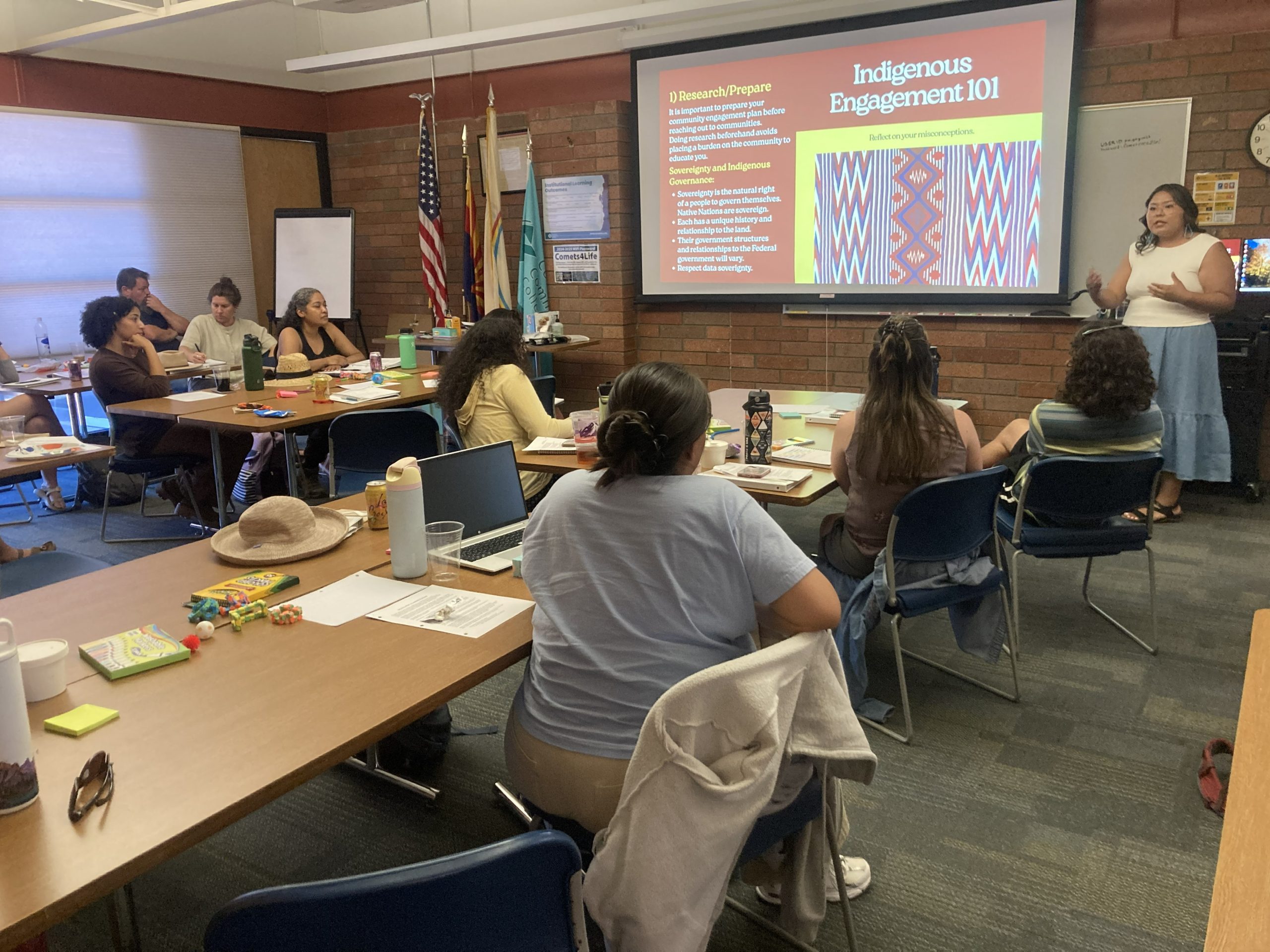
The four-day institute, launched on May 30 in Flagstaff, hosted 15 early and mid-career water professionals. The program focused on fostering cross-sector dialogue, enhancing communication skills, and building confidence to navigate uncertainties in water management.
“We have created an awesome space where people from different water sectors are coming together and having conversations about the future of water, while learning different skills,” Radonic emphasized. The program included diverse sessions, such as workshops on facilitating meetings and communicating complex legal concepts to general audiences.
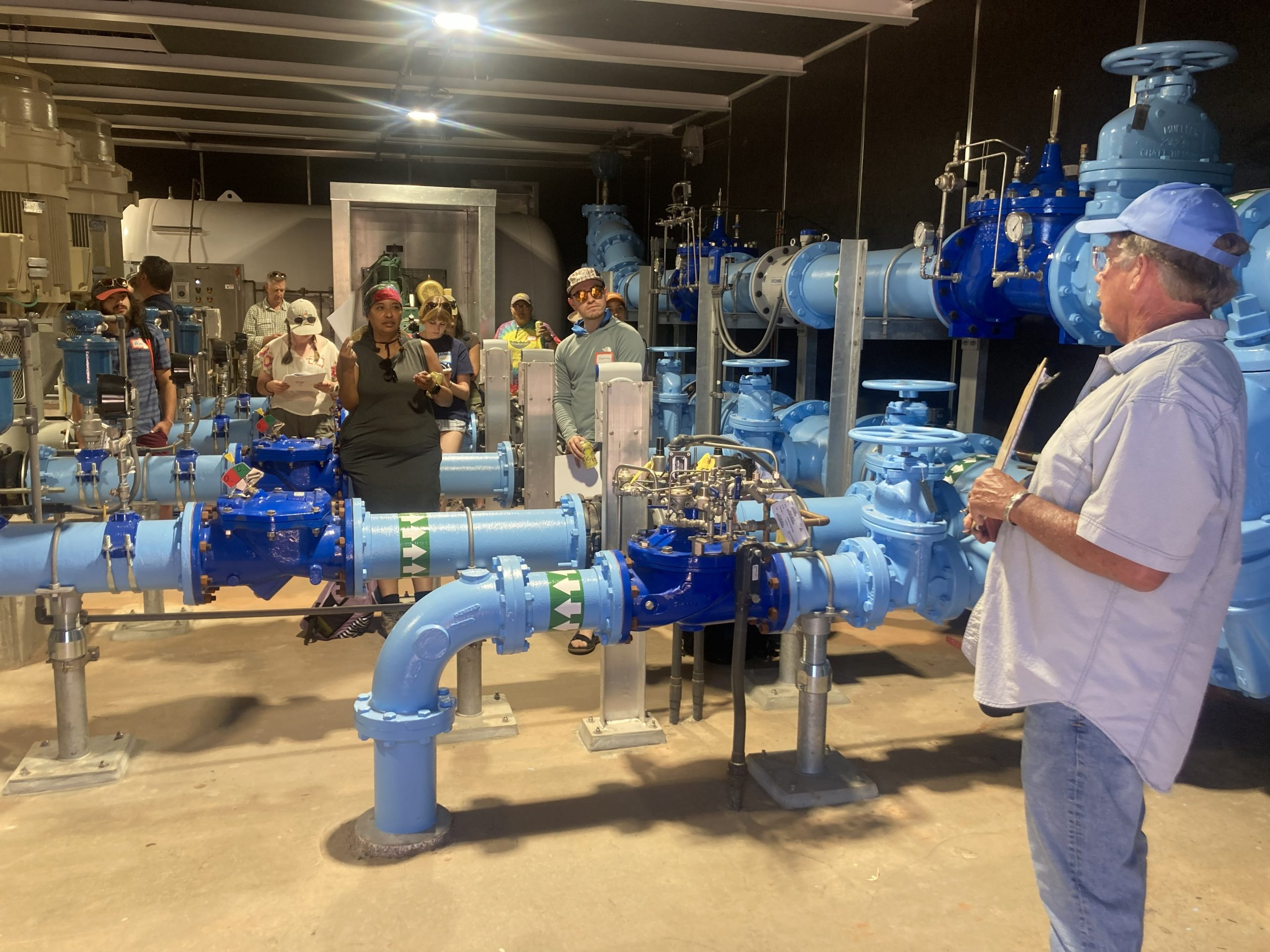
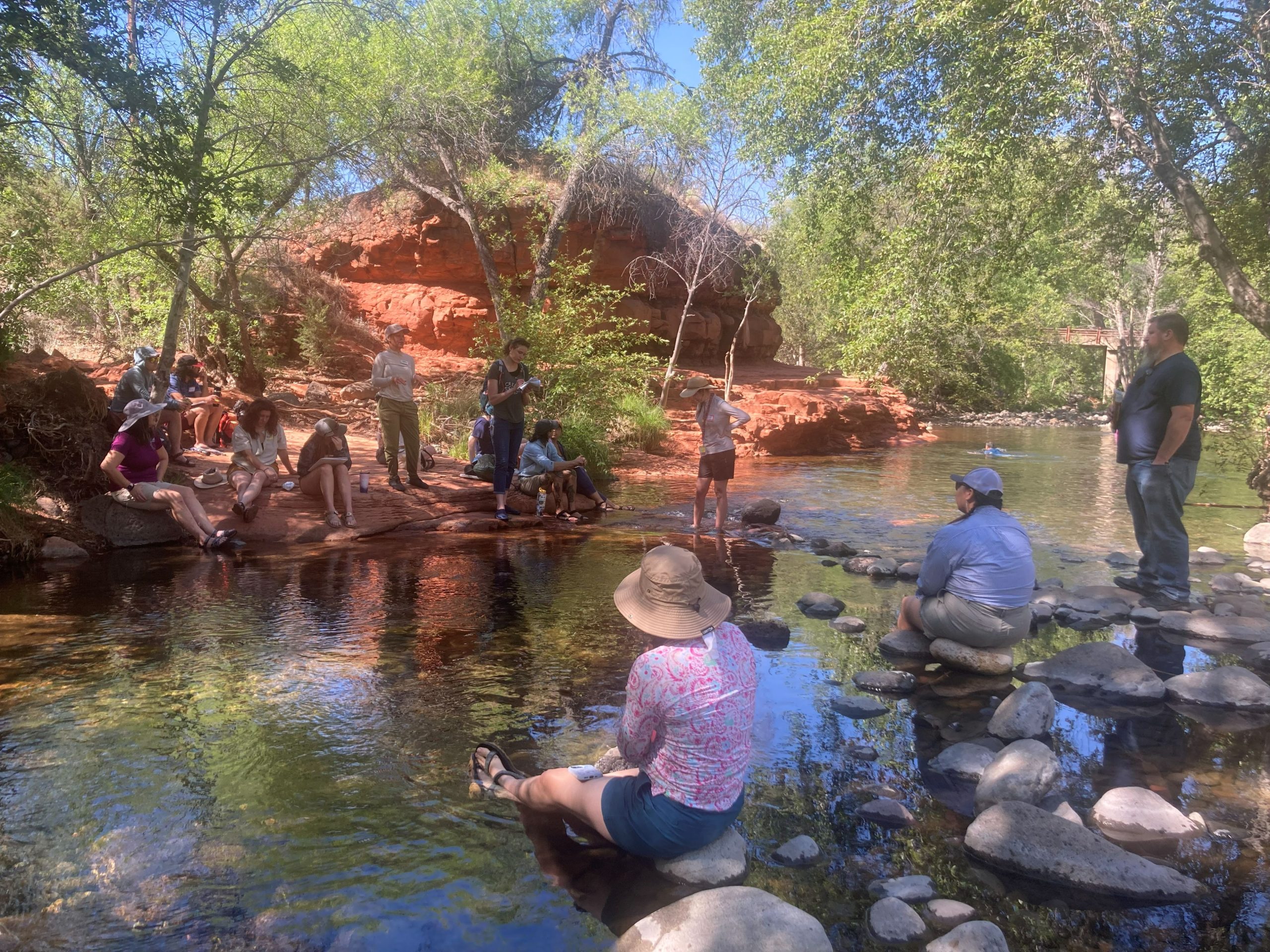
Participants later traveled to Sedona, where they learned about the Arizona Department of Environmental Quality’s partnership with Friends of the Verde River. This collaboration focuses on monitoring and restoring the Verde River Watershed. The group also visited the East Sedona Storage Tank to understand the complexities of potable water provisioning.
The following session included an overnight trip to Page, showcasing the Glen Canyon Dam and Lake Powell. Discussions covered water security challenges, the impacts of drought, and the importance of inclusive water management practices involving indigenous communities.
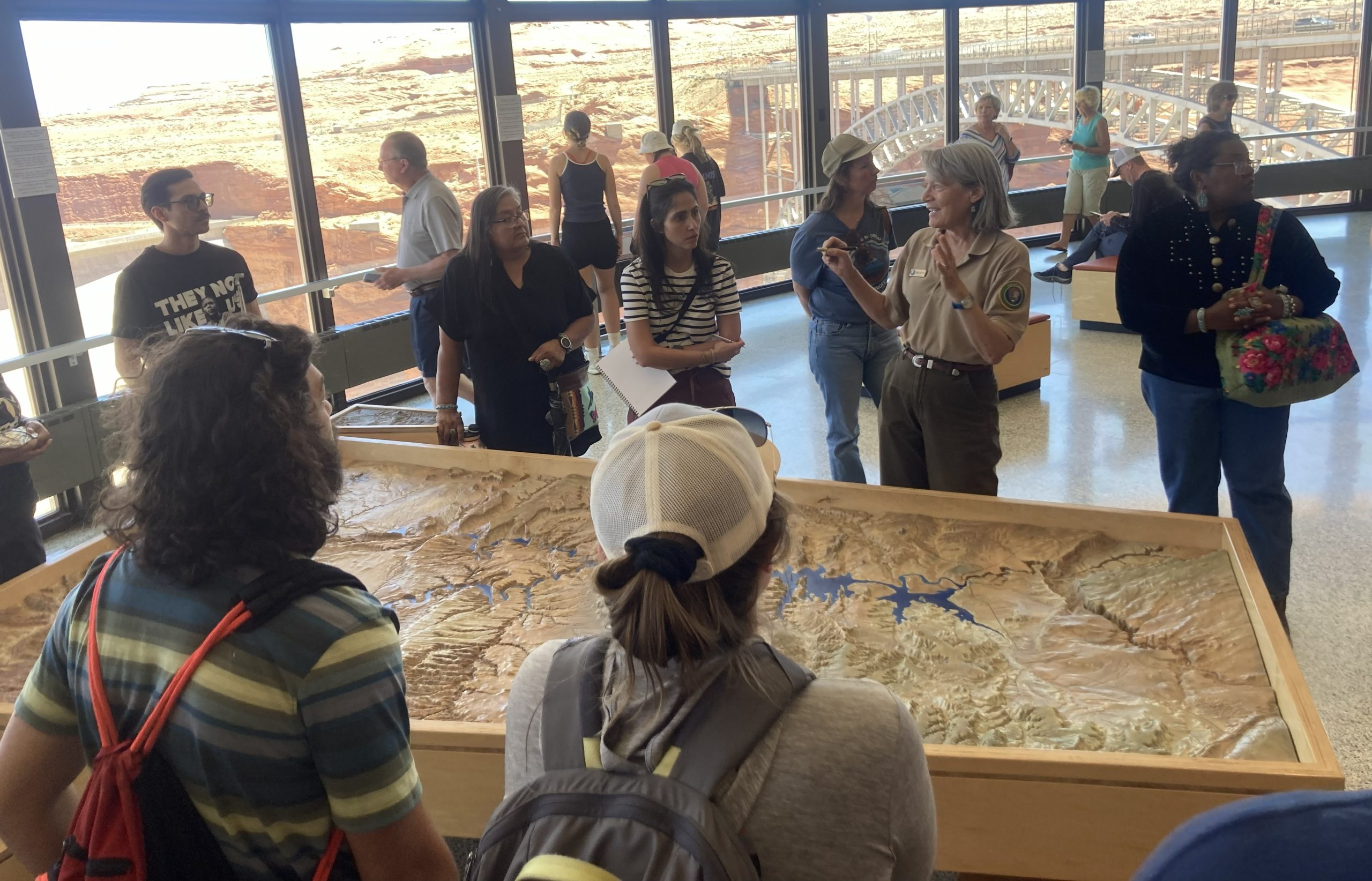
“Eric Stanfield, who works for the Navajo Nation, joined us and gave a talk about the Glen Canyon Adaptive Management Program,” Radonic noted. This program marks a significant shift towards more inclusive water management practices.
The insights gathered from the WLI sessions are under evaluation to refine future iterations of the program. Looking ahead, Radonic expressed aspirations to expand partnerships and secure funding to ensure the institute’s continuity, emphasizing the critical role of cross-sector collaboration in addressing water security challenges.
Read More Here




![Casey Scharf’s Journey: From UVA to Filming with Bill Murray[embed]https://www.youtube.com/watch?v=G-oCpAnX_ic[/embed]](https://realnewsfast.com/wp-content/uploads/2026/10/Casey-Scharfs-Journey-From-UVA-to-Filming-with-Bill-MurrayembedhttpswwwyoutubecomwatchvG-oCpAnX_icembed-300x200.jpg "Casey Scharf’s Journey: From UVA to Filming with Bill Murray[embed]https://www.youtube.com/watch?v=G-oCpAnX_ic[/embed]")