SpaceX, under the leadership of Elon Musk, has achieved a remarkable feat with the largest initial public offering in Wall Street history, culminating in a valuation exceeding $2 trillion as of June 12. This historic IPO could soon affect individual and retirement portfolios as index funds are expected to incorporate SpaceX, trading under the ticker SPCX.
An initial public offering, or IPO, represents a company’s first public sale of stock, enabling both startups and established firms to raise capital by offering shares to the public.
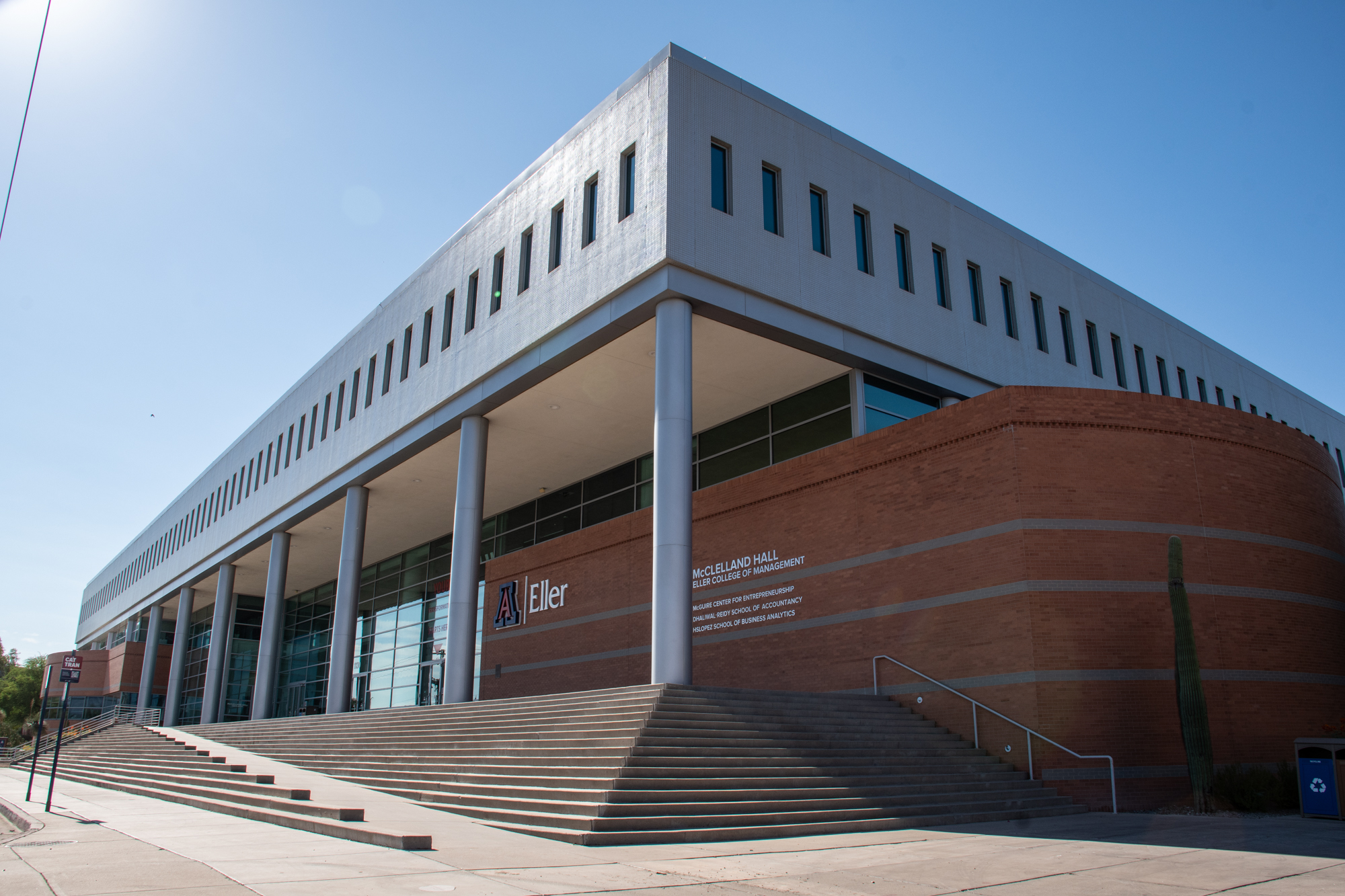
Following SpaceX’s IPO, insights were provided by David Brown, an associate professor and the Brian and Clara Franke Endowed Chair in Finance at the University of Arizona Eller College of Management. Brown’s expertise includes early-stage financing, IPOs, institutional investors, and asset management, among other areas.
Factors Influencing a Company’s Decision to Go Public
Deciding to go public involves several considerations for a company, primarily whether they require capital immediately and if market conditions are favorable. SpaceX, like many companies, is investing heavily in infrastructure to support AI deployment. The current boom in AI stocks reflects a strong market appetite and a willingness among investors to invest heavily, as demonstrated by SpaceX’s significant valuation and the stock’s rapid increase in value over the first few trading days.
What Sets the SpaceX IPO Apart
The scale of SpaceX’s offering distinguishes it from typical IPOs. Initially pegged at $75 billion, underwriter activities boosted the offering to around $87 billion—a stark contrast to the more common million-dollar IPOs.
SpaceX also aimed for significant retail investor participation, targeting 30% of shares for them, though it ultimately settled at about 20% due to high institutional demand. Additionally, SpaceX’s float— the percentage of shares available and traded in the market—is notably low at around 5%, compared to the 25-30% typical for other companies.
Is SpaceX Leading a New Trend?
The SpaceX IPO reflects a trend of increased retail investor involvement, particularly for companies with high public visibility. However, heightened retail participation doesn’t always guarantee better IPO performance. Often, retail investors pay more, a phenomenon known as the “winner’s curse,” where institutional investors’ disinterest leaves more shares to retail buyers.
IPO vs. Secondary Market Share Purchases
Besides the price difference, buying shares during an IPO or in the secondary market is largely similar. SpaceX’s IPO listing price was $135, and with a market price above $200, initial investors might view it as a good deal. Historically, though, IPO stocks often underperform in their first years, leaving the true value over time uncertain.
Considerations for Investors
Prospective investors have two approaches: conduct detailed research if they are knowledgeable, or opt for low-cost index funds for broad market diversification. For most, index funds provide a safe, diversified investment option without requiring extensive research.
Index Funds and Their Relationship with IPOs
Index funds, encompassing collections of stocks like the S&P 500 or the Russell 1000, offer market benchmarks. A current debate centers on the inclusion of companies like SpaceX in these indices sooner rather than later. The S&P, for instance, mandates a public presence of one year and profitability among other criteria. SpaceX has actively lobbied indices like Nasdaq, S&P, and Russell for quicker inclusion.
While SpaceX is expected to join the S&P 500 eventually, it will likely be listed on the Nasdaq 100 and Russell 1000 within weeks. This means investors with broad index fund holdings, such as those in a 401k, may soon own a small portion of SpaceX.
Read More Here








![Casey Scharf’s Journey: From UVA to Filming with Bill Murray[embed]https://www.youtube.com/watch?v=G-oCpAnX_ic[/embed]](https://realnewsfast.com/wp-content/uploads/2026/10/Casey-Scharfs-Journey-From-UVA-to-Filming-with-Bill-MurrayembedhttpswwwyoutubecomwatchvG-oCpAnX_icembed-300x200.jpg "Casey Scharf’s Journey: From UVA to Filming with Bill Murray[embed]https://www.youtube.com/watch?v=G-oCpAnX_ic[/embed]")