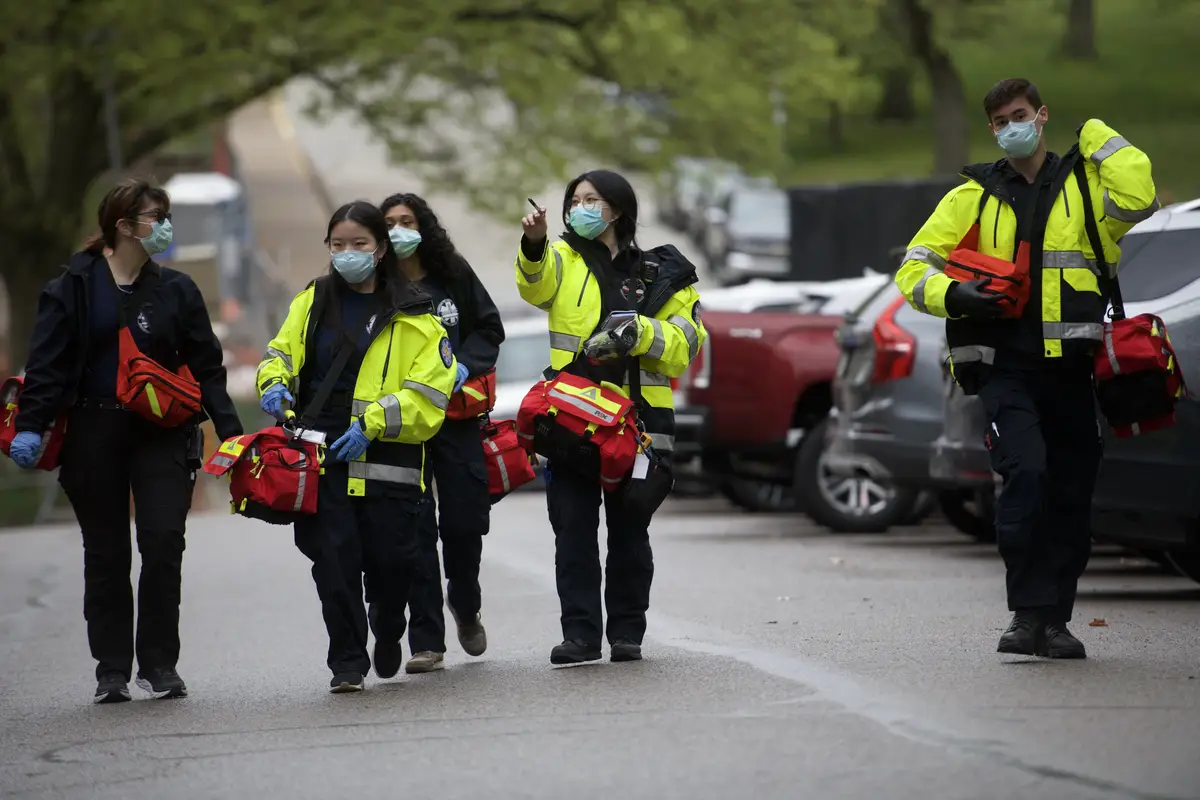
In a significant step towards harnessing technology for emergency situations, Carnegie Mellon University’s National Science Foundation AI Institute for Societal Decision Making (NSF AI-SDM) has joined forces with Meta’s AI for Good program. This collaboration aims to create dynamic situation reports to assist first responders in managing natural disasters like wildfires, hurricanes, and severe winter storms.
The NSF AI-SDM will utilize mobility and connectivity data accumulated by Meta’s AI for Good initiative. By transforming this data into clear visualizations, the partnership intends to provide emergency managers with actionable insights during disasters. These visual tools will also integrate additional data sources, such as satellite imagery, along with Meta’s open-source AI models, including Segment Anything, DINO, and large language models. These resources will aid in assessing evacuation compliance and tracking population movement during and after disasters.
“This NSF AI-SDM-Meta collaboration is an excellent example of how academic-industry partnerships can impact social good,” stated Rebecca Nugent, head of CMU’s Department of Statistics and Data Science. Nugent emphasized that the project aims to enhance emergency responders’ understanding of population mobility during crises and provide additional resources to the public.
The NSF AI-SDM, supported by the National Science Foundation, merges AI and social sciences research to create technologies that aid in critical decision-making. The researchers focus on understanding perceptions of risk and trust in uncertain and resource-limited situations.
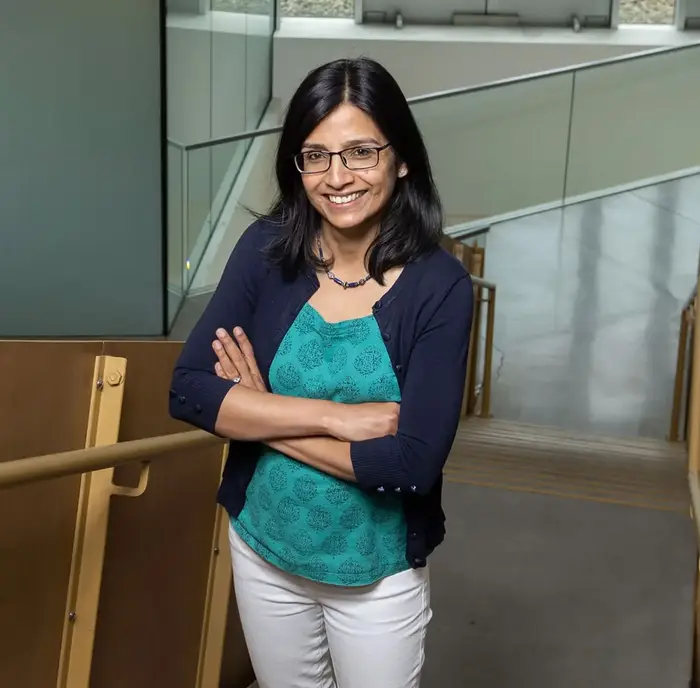
“Our partnership with Meta solidifies an important informational piece relevant to AI-SDM’s effort on designing effective disaster risk communication by understanding human mobility and networking behavior,” commented Aarti Singh, director of NSF AI-SDM and FORE Systems Professor in CMU’s Machine Learning Department.
The tools developed will undergo evaluation during natural disasters in 2026 to determine their effectiveness. NSF AI-SDM, collaborating with various state and local emergency agencies, will gather feedback to refine these tools further. The goal is to develop more interactive and potentially automated data tools for future use.
“Leveraging tools like AI and real-time mobility data has the potential to transform the way governments and nonprofits respond to natural disasters,” said Laura McGorman, director of Meta AI for Good. “We’re excited to work closely with the experts at Carnegie Mellon to support emergency responders throughout this year’s hurricane and wildfire season.”
Upon completion, AI-SDM and Meta plan to distribute these tools through the Humanitarian Data Exchange and the NSF AI-SDM website.
Read More Here