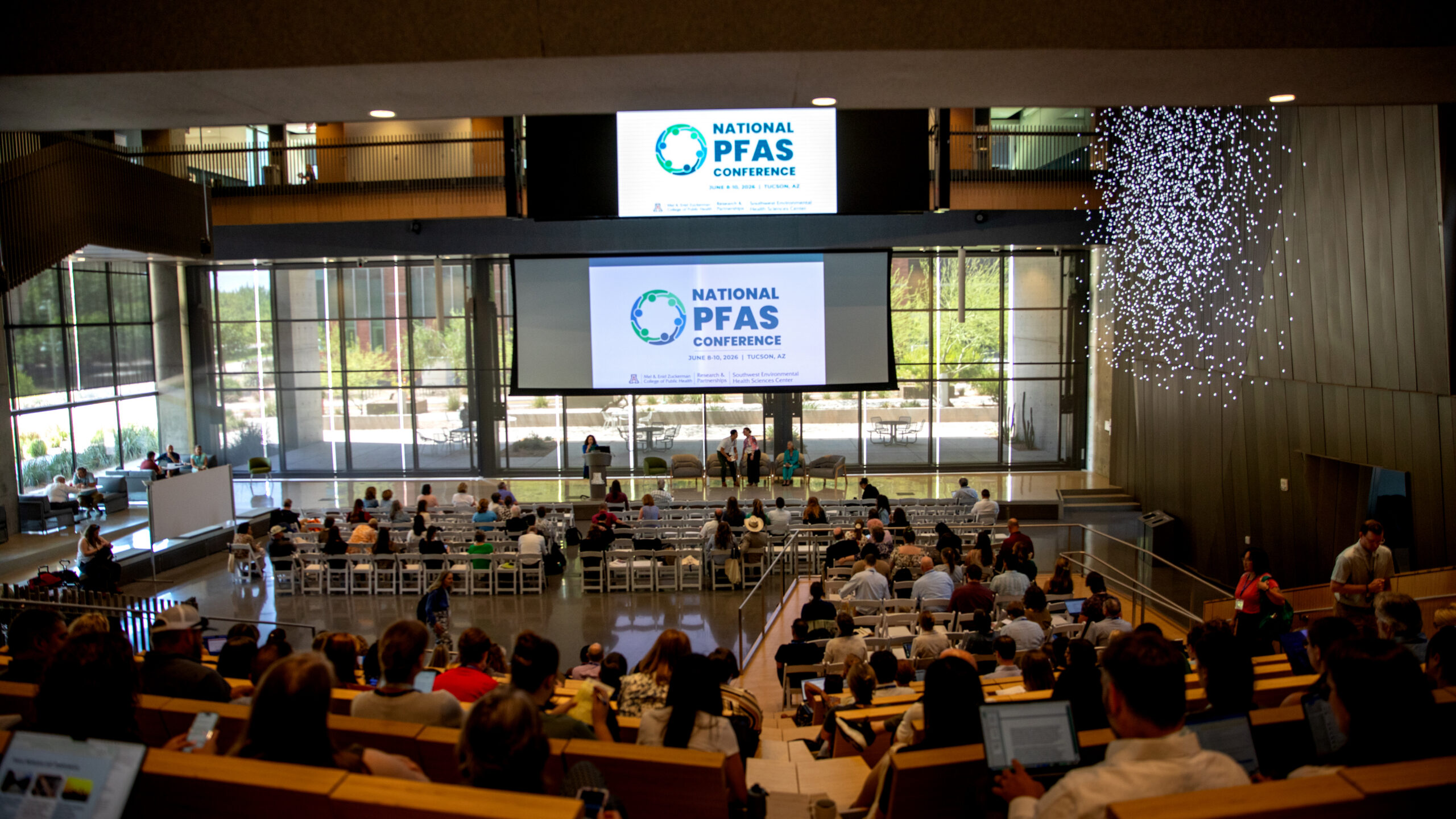
National PFAS Conference at University of Arizona Highlights Health and Environmental Impacts
At the 2026 National PFAS Conference, held at the University of Arizona, experts and community members came together to discuss the pressing issues surrounding per- and polyfluoroalkyl substances, commonly known as PFAS. The event gathered 424 participants focusing on the health and environmental challenges posed by these persistent chemicals, bringing attention to the unique concerns faced by Arizona’s border region and tribal communities.
PFAS, a group of man-made compounds used in various products and industrial applications since the mid-20th century, are notoriously difficult to break down. This has led to their detection in the blood of nearly everyone tested, raising concerns about their links to cancer and other health issues as highlighted by the United Nations Environment Programme.
During the three-day conference, 49 speakers delved into how ongoing research, remediation efforts, and community engagement are advancing the understanding of PFAS. The event aimed to bridge scientific research with the lived experiences of affected communities. “We must learn to work together and to hear the voices of those directly affected so that we can prevent future harm and develop equitable solutions,” said Paloma Beamer, conference co-chair and associate dean at the University of Arizona’s Mel and Enid Zuckerman College of Public Health.
A Unique Collaborative Effort
This year marked the first time the conference was hosted west of the Mississippi River. Phil Brown, who initiated the conference series in 2017 at Northeastern University, emphasized the importance of choosing locations with active advocacy groups and strong academic involvement. Tucson was chosen for its community-driven research initiatives and collaborations between the University of Arizona, Arizona State University, and Northern Arizona University.
The conference also focused on tribal nations’ needs, examining PFAS-related challenges impacting Indigenous communities. Discussions covered data gaps, legal hurdles, and the effects of contamination on traditional practices like fishing and hunting. Representatives from 12 tribal nations participated as speakers and attendees.
Another significant topic was PFAS contamination in wastewater at the Nogales International Wastewater Treatment Plant, a facility serving the Arizona-Sonora border region. Pre-conference tours, led by Beamer, allowed participants to explore the plant and its surroundings, fostering discussions on potential solutions for local communities.
From Research to Action
Researchers presented their latest findings on PFAS, alongside stories from individuals impacted by these chemicals. Orion Godfrey, state cancer coordinator for the Professional Fire Fighters of Arizona, highlighted efforts to remove PFAS from the human body. Godfrey co-authored a recent study that identified factors leading to elevated PFAS levels among U.S. firefighters and recommended policies to mitigate exposure.
Godfrey praised the study’s actionable insights, noting that while firefighters understand the carcinogenic risks of their work, they remain committed to their jobs. “Now we’re able to say, ‘Yes, this job is very hazardous, but here are some things you can do – and not just low-level things.’ We’re seeing real reduction of the toxic effects from these exposures, and that is massive,” he said.
University of Arizona researchers continue to study firefighters to develop targeted interventions, improve safety protocols, and inform policy changes. The study’s findings have already prompted upgrades at the Goodyear, Arizona, Fire Department, including water filtration systems and improved gear cleaning procedures.
Sustaining Momentum
The conference, which took nearly two years to plan, involved seven University of Arizona colleges and numerous local and national organizations. Collaborators included the National PFAS Contamination Coalition and several NIH-funded centers. The event’s preparation period allowed researchers to strategize on PFAS issues and raise awareness about ongoing efforts to reduce PFAS impacts locally and globally.
The Southwest Environmental Health Sciences Center (SWEHSC) introduced Spanish-language PFAS guidance at the conference and provided continuing medical education resources through the PFAS Exchange. Thirty-three clinicians attended training sessions, which Beamer highlighted as a major achievement in increasing physician awareness.
Beamer also noted the diverse attendance, including healthcare providers, advocates, and residents from Pima, Santa Cruz, and Cochise counties. “They really wanted exposure to the science,” she said. “They didn’t know much about PFAS but wanted to learn more.”
A version of this story originally appeared on the Office of Research and Partnerships website.
Read More Here






![Casey Scharf’s Journey: From UVA to Filming with Bill Murray[embed]https://www.youtube.com/watch?v=G-oCpAnX_ic[/embed]](https://realnewsfast.com/wp-content/uploads/2026/10/Casey-Scharfs-Journey-From-UVA-to-Filming-with-Bill-MurrayembedhttpswwwyoutubecomwatchvG-oCpAnX_icembed-300x200.jpg "Casey Scharf’s Journey: From UVA to Filming with Bill Murray[embed]https://www.youtube.com/watch?v=G-oCpAnX_ic[/embed]")