In the heart of Nevada, a significant transformation is unfolding as the Nevada National Security Sites (NNSS) embarks on a quest to modernize its infrastructure. This initiative is not merely about upgrading physical structures; it represents a strategic investment aimed at bolstering the capabilities essential for the NNSS’s mission well into the future.
Comprehensive Modernization Strategy
The modernization of the NNSS is anchored on three pivotal elements: enhancing its workforce, refining management processes, and upgrading physical infrastructure. These interconnected efforts are designed to ensure the sustainability of the site’s mission for over half a century.
Revamping the Site
The NNSS is undertaking a vast transformation of its site, which includes constructing new buildings, enhancing security, and upgrading key mission facilities. The program aims to replace outdated infrastructure with modern, energy-efficient facilities that will support power, water, communications, and road infrastructures. These projects are meticulously crafted to align with the National Nuclear Security Administration’s (NNSA) mission needs, improve security, and foster scientific and technological progress.
“Modernization at this scale is only possible through strong partnerships,” stated Jacob Huffines, Director of NNSS Enterprise Infrastructure Programs. “By working in close coordination with NNSA, collaborating with our laboratory partners and leveraging industry expertise, we are delivering facilities that are safe, more resilient and purpose-built.”
Strategic Focus Areas
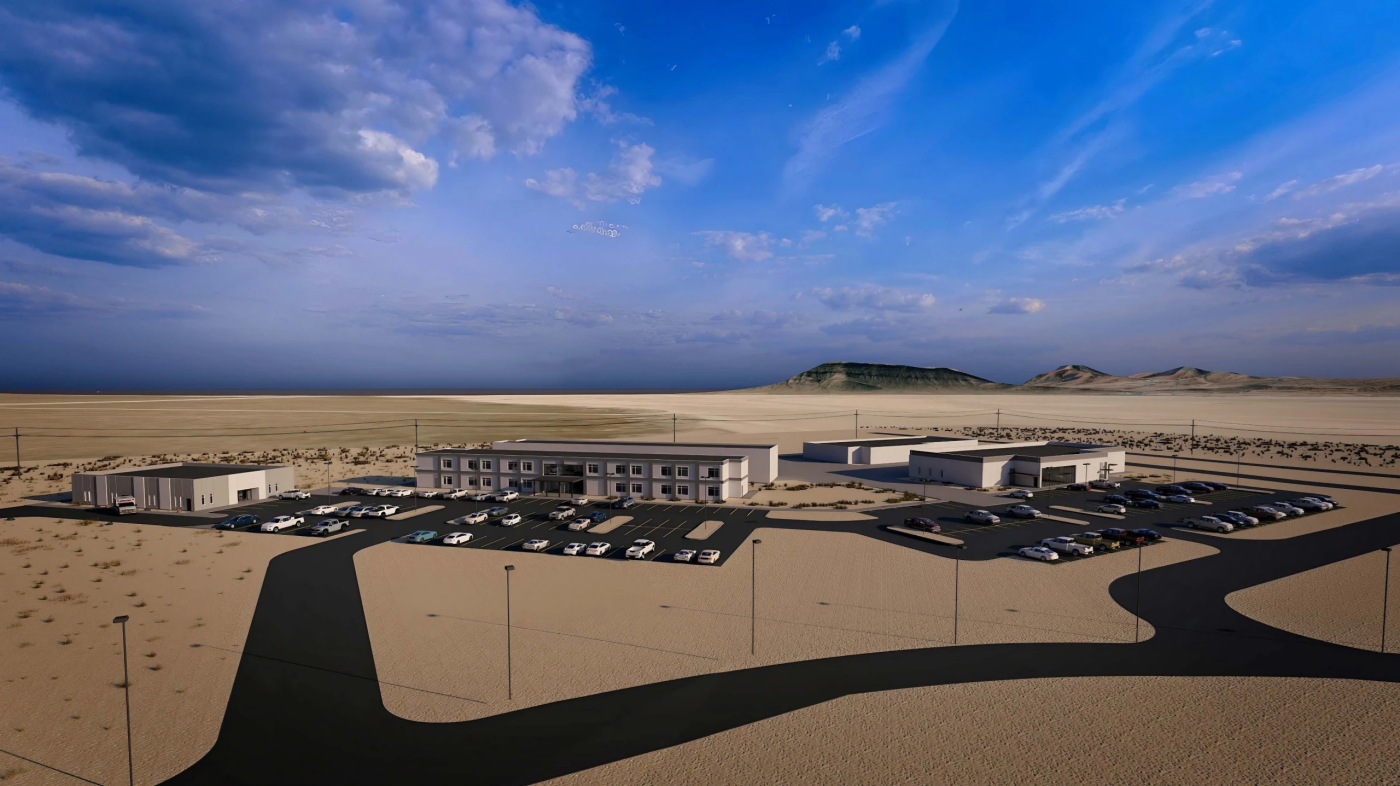
The modernization efforts are strategically focused on key areas, including the Mercury campus, PULSE, and the Device Assembly Facility (DAF).
Within the Mercury Modernization Plan, the site will see the demolition of aging infrastructure and the construction of ten new buildings. The plan also includes the development of a walking campus, a new cafeteria, and an expansion of solar energy production, with completion expected by 2030.
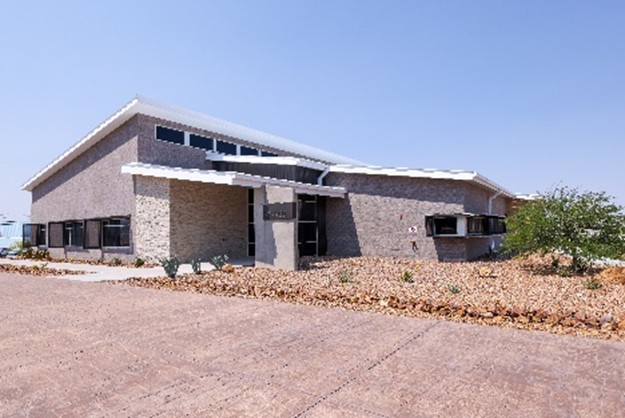
One of seven additional buildings planned in Mercury, construction on the Mercury Laboratory Support and Site Services Facility will begin in 2026. This will be the next use of the standard ProtoSTAR design concept first constructed at PULSE.
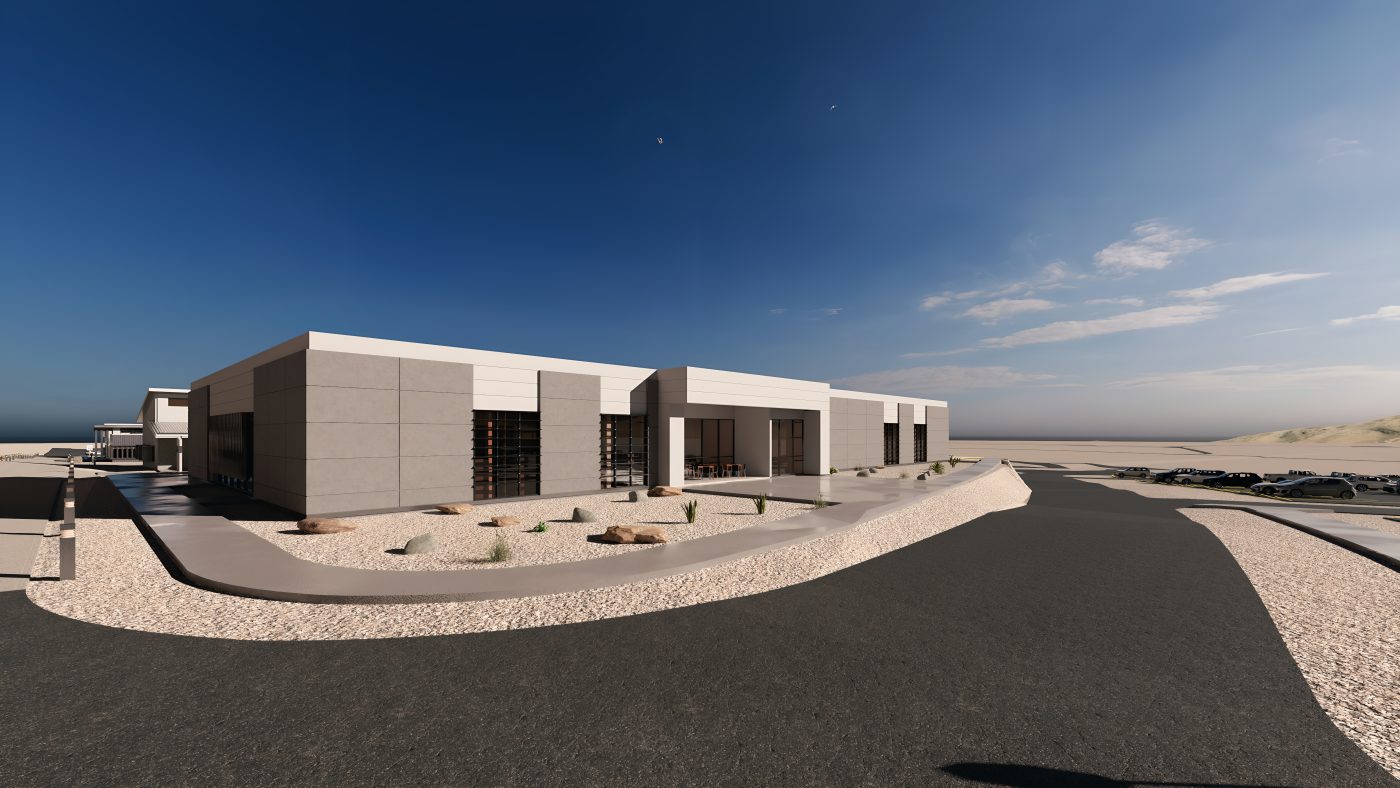
Enhancements at the DAF
The DAF is also undergoing modernization to support the subcritical experiment program, nuclear material management, stockpile surveillance, and the National Criticality Experiments Research Center.
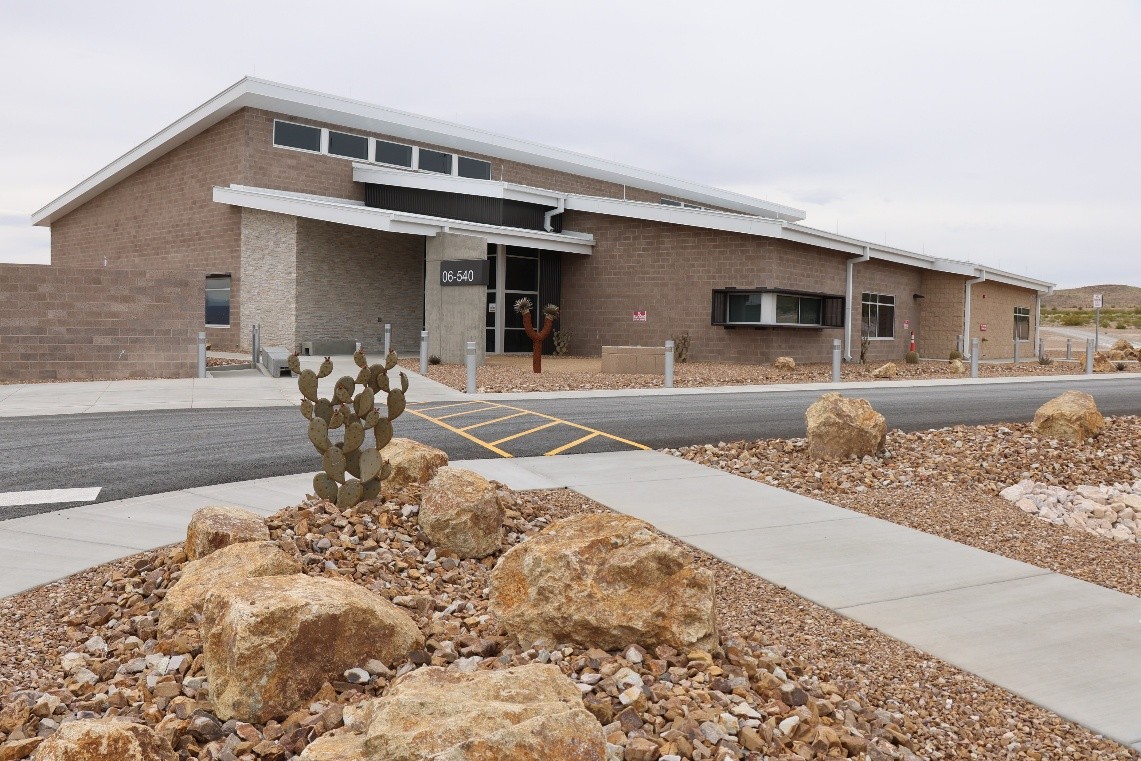
The DAF Operations Support Facility was completed in 2025, the fourth STAR design used at the NNSS.
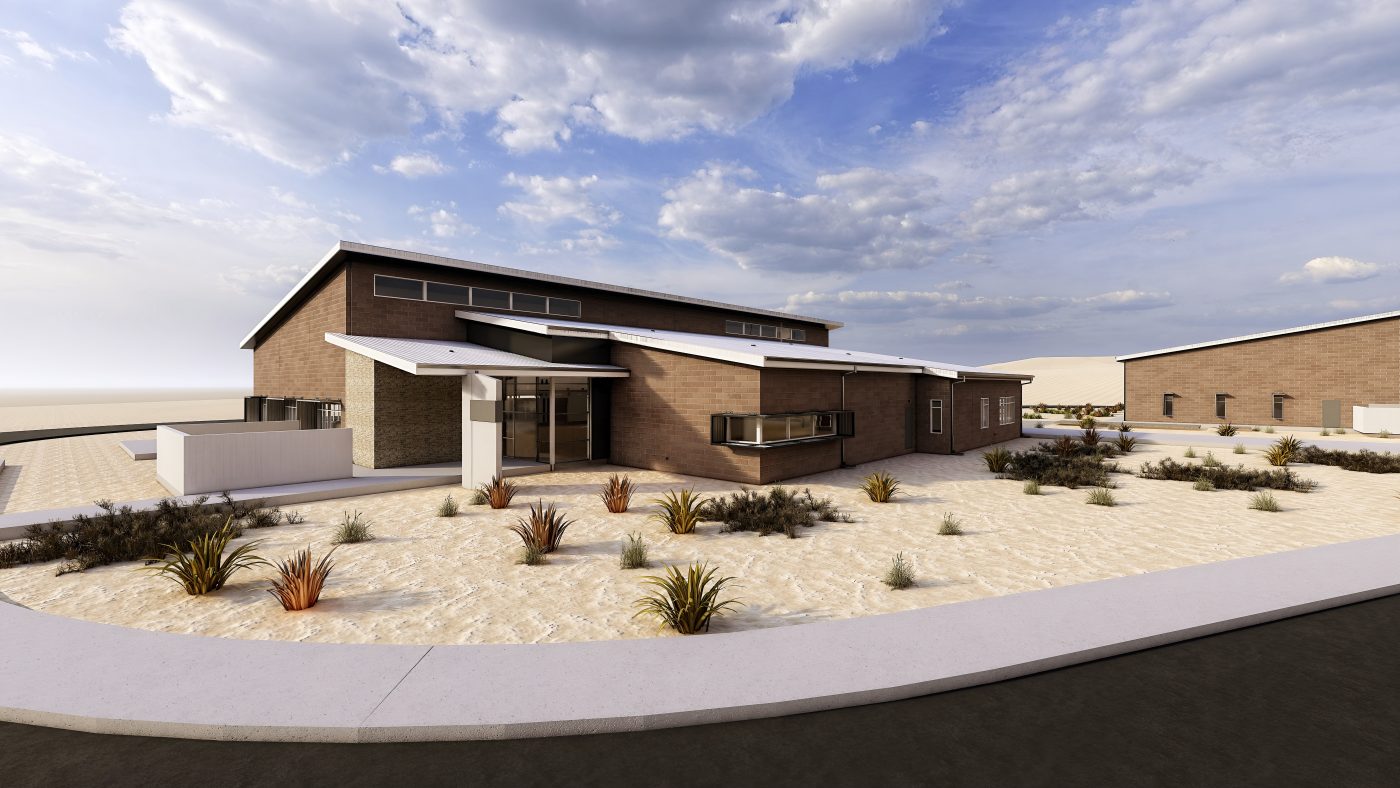
Design of the DAF Engineering and Maintenance Facility was completed in record time due to its use of the STAR design. The building is set to be operational in Spring 2027.
Progress at PULSE
PULSE is witnessing substantial mission growth, prompting the NNSS to undertake several modernization projects. Two facilities have already been completed, with three more in the pipeline. The recent groundbreaking of the Forward Area Mission Complex (FAMC) is a significant development, offering vital support services like a cafeteria, dormitories, and medical facilities to optimize work efficiency.
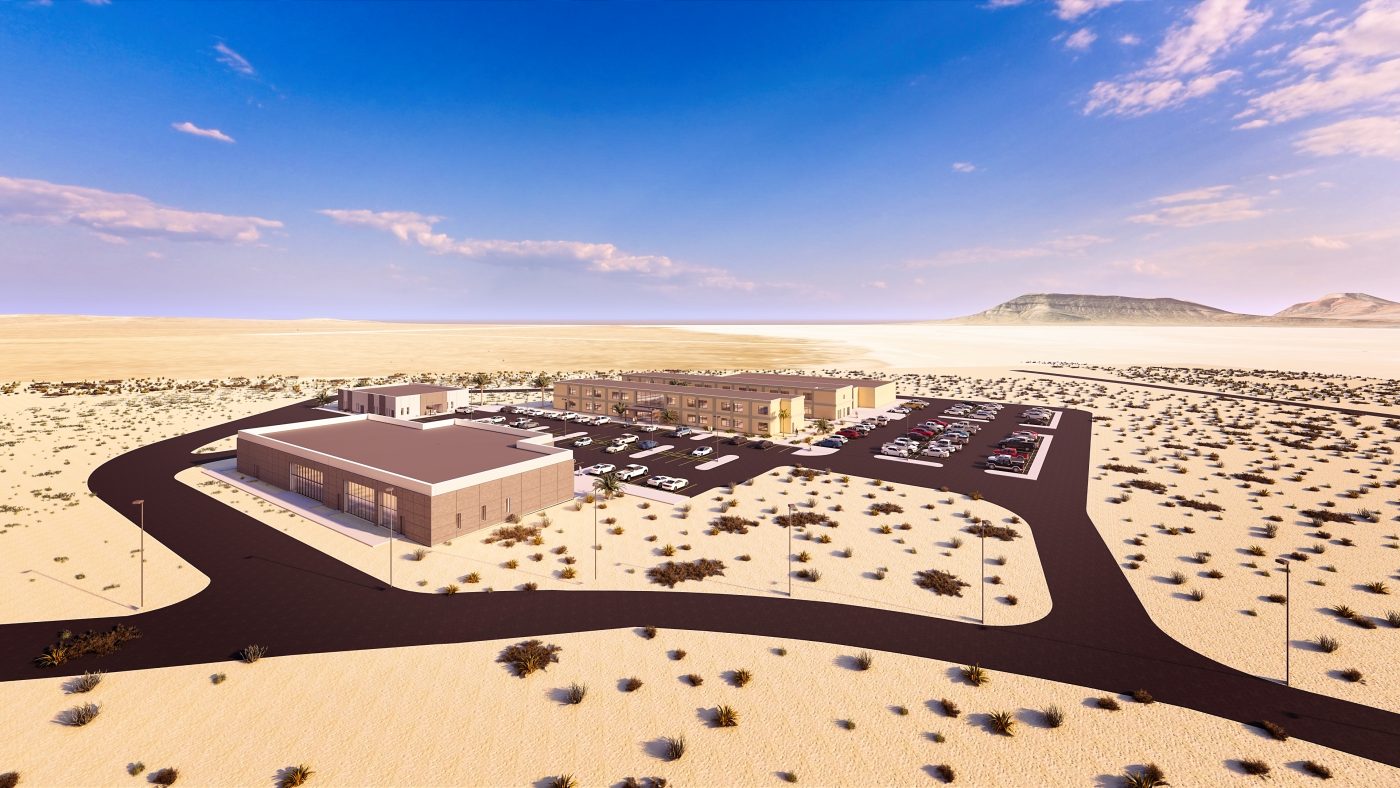
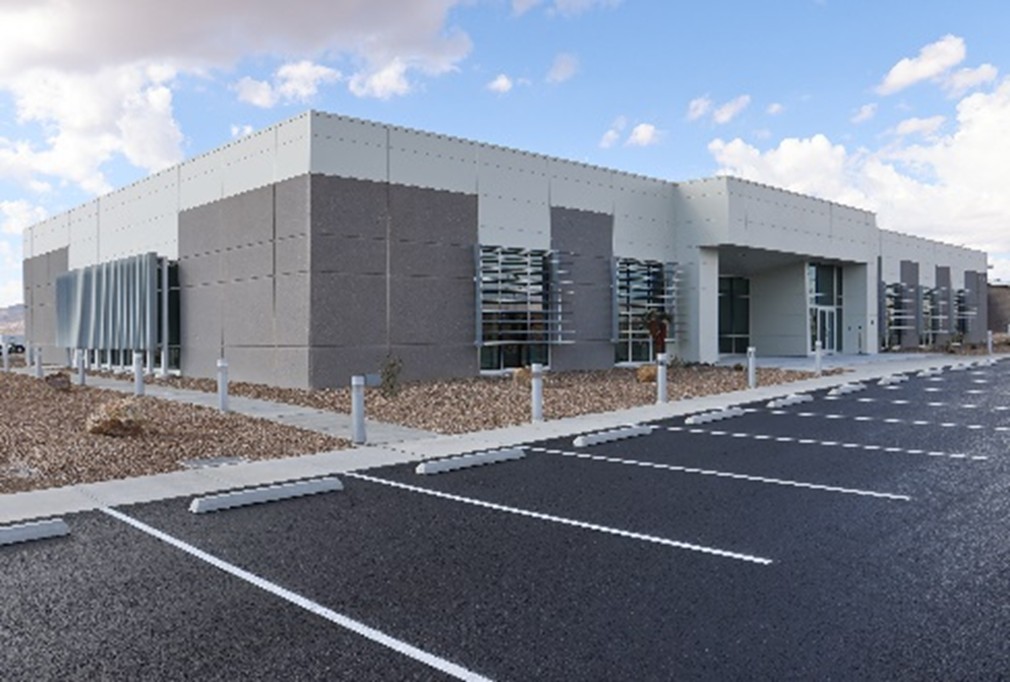
The PULSE Operations Support Facility was completed in 2025. This first-of-a-kind ProtoSTAR facility adopts NNSA’s multi-site building concept. Several more ProtoSTAR facilities are in the planning phase and will soon be under construction at the Site.
By investing in its people, processes, and infrastructure, the NNSS is positioning itself to effectively support national security missions both now and in the coming years.
Read More Here