
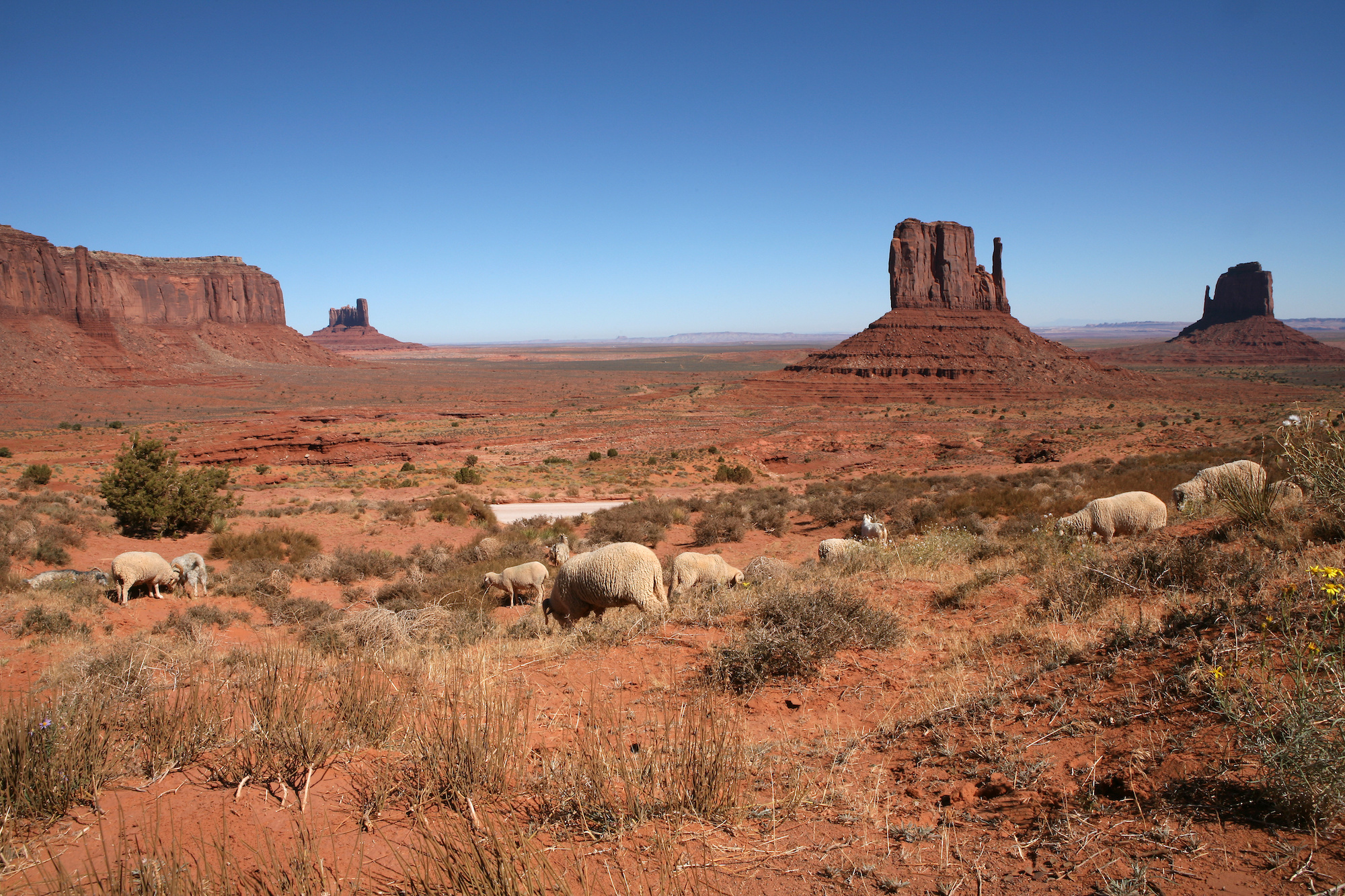
Arizona’s tribal lands are not just a testament to rich cultural heritage but also a cornerstone of the state’s agricultural economy. In 2022, tribal agriculture boasted a remarkable $753.3 million in total economic output and sustained over 2,300 jobs, according to a pioneering study that delves into the economic influence of Arizona’s 22 federally recognized tribes using the latest agricultural census data.
The comprehensive report, “Tribal Agriculture in Arizona: An Economic Contribution Analysis“, was spearheaded by economic analysts from the Cooperative Extension at the University of Arizona’s College of Agriculture, Life, and Environmental Sciences. The study was supported by the Indian Land Tenure Foundation and the Native American Agriculture Fund.
Indigenous Agriculture: A Historical and Economic Pillar
For centuries, Arizona’s Indigenous communities have practiced agriculture, leveraging traditional ecological knowledge, water management, and biodiversity. These practices are integral to their economies and cultural identities. However, despite their importance, the full scope of tribal agriculture’s economic impact has often been overlooked.
Quantifying tribal agriculture is challenging due to the misalignment of federal datasets with tribal boundaries, multi-state reservations, and privacy constraints in less populated areas, according to Dari Duval, the report’s corresponding author and an Extension economist in the School of Natural Resources and the Environment.
Comprehensive Data Collection
To approximate tribal agricultural activity, the research team utilized various sources including the USDA Census of Agriculture, Reservation Census, and Navajo Nation Census, complemented by USDA CropScape satellite data and other institutional reports. These resources provide a foundational estimate, setting the stage for future tribal community collaborations.
Significant Economic Contributions
American Indians operate 62% of Arizona’s farms, managing 20 million acres, which constitutes 81% of the state’s total agricultural land. Despite many being “small-scale” operations (with 67% between 1 and 9 acres), tribal agriculture yielded substantial on-farm sales of $434 million in 2022, with crop and livestock production contributing significantly.
Tribal farms also represent a vast majority of the state’s sheep and goat farms and a significant portion of vegetable and melon farms. “People don’t always connect the dots and there’s this perception that tribal communities aren’t impacting our economic bottom line in the state,” stated Michael Kotutwa Johnson, a coauthor of the study.
Economic Impact Beyond Tribal Lands
The study dispels the notion of tribal agriculture being an isolated sector, revealing that 85% of its economic benefits extend to non-tribal areas. Maricopa County, for instance, received $203 million in economic output from tribal agriculture, with Yuma and Pima Counties also benefiting considerably.
Moreover, the report highlights a “hidden economy” through home production for family and community consumption. This aspect is particularly vital in tribal areas where food deserts are common. The hidden economy’s production value was estimated at $116 million, underscoring its crucial role in food security and cultural continuity.
Challenges and Barriers
Despite their substantial land management, American Indian producers face significant systemic barriers, such as limited access to federal support. In 2022, they received only 16% of federal agricultural payouts in Arizona, with the average payment per tribal farm being significantly lower than non-tribal operations.
Complicated land tenure issues and a lack of broadband access further exacerbate these challenges. Only 10% of American Indian farms have broadband, limiting their ability to apply for federal aid and employ advanced agricultural technologies.
Water rights are another critical issue. Tribal nations hold essential water entitlements, yet infrastructure and investment shortfalls hinder their full utilization. “It begs the question, what would be possible if the tribes had full access to their water resources, their water rights, or allocations?” Duval pondered, pointing to both historical disadvantages and future potential.
Read More Here







Comments are closed.