
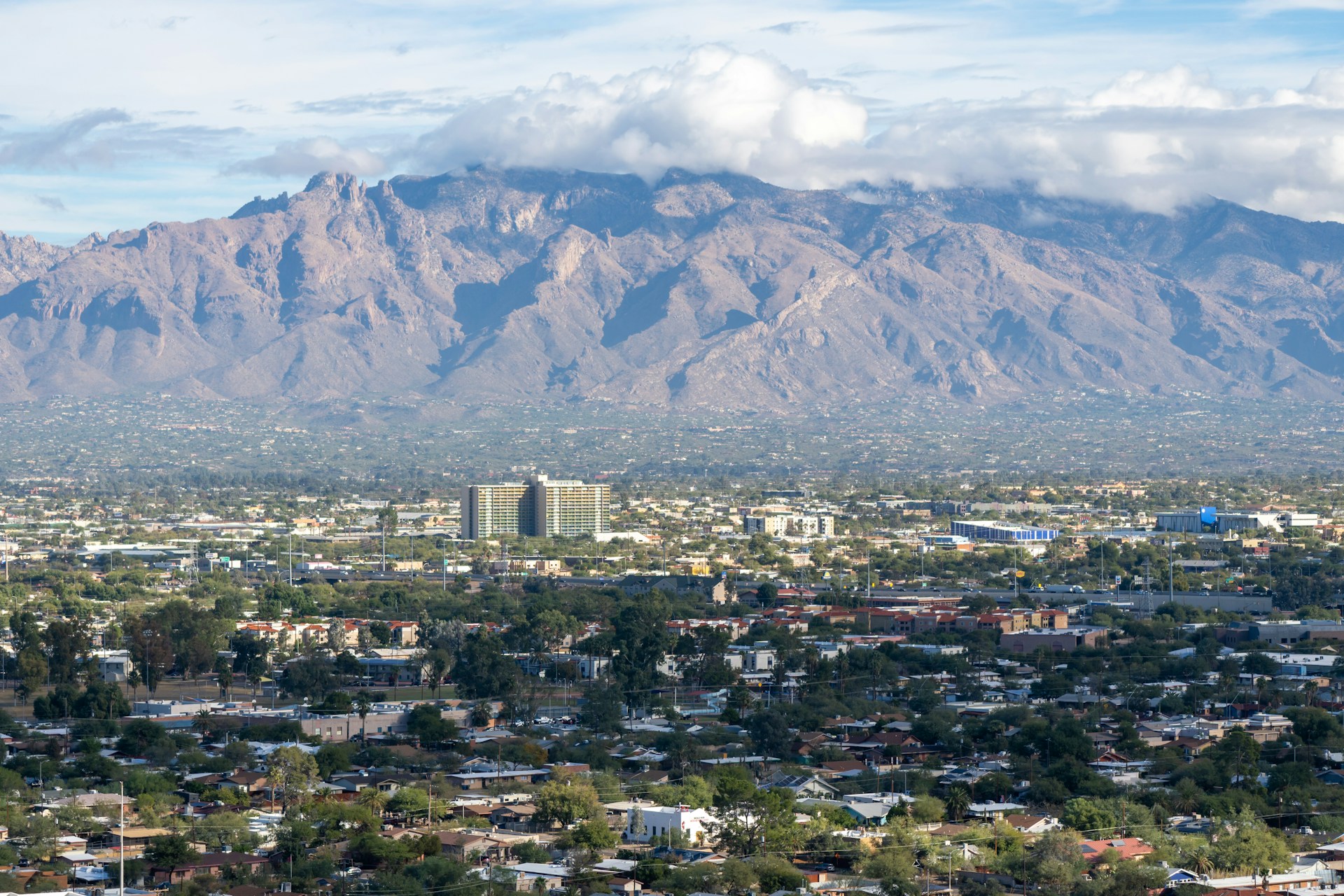
In June, Tucson will become a hub for discussions on one of the most pressing environmental issues of our time. The 2026 National PFAS Conference is set to take place from June 8-10 at the University of Arizona, marking a significant event for environmental researchers and advocates.
The Conference’s Unique Approach
The National PFAS Conference, an event held biennially, is one of the few national gatherings that focuses exclusively on per- and polyfluoroalkyl substances (PFAS). These synthetic compounds, often referred to as “forever chemicals,” are noted for their persistence in the environment and have been detected in the blood of nearly everyone tested, according to the CDC. The conference is distinct because it integrates the voices of those directly affected by PFAS contamination, offering a platform for both researchers and community members.
This year’s conference is a collaborative effort between the University of Arizona’s Zuckerman College of Public Health and Linda Shosie, a seasoned environmental justice advocate. The event will feature discussions on health impacts, policy-making, and innovative technologies for addressing PFAS contamination.
Addressing Health Concerns
Sessions at the conference will delve into the health effects of PFAS, which have been linked to various issues such as certain cancers, thyroid disruption, and reduced immune response, as highlighted by research. Paloma Beamer, a professor at the College of Public Health, emphasized the holistic approach of the conference, which avoids isolating PFAS issues and instead examines their broader impact.
Beamer explained, “I’ve never been involved in a conference like that,” highlighting the event’s collaborative nature. The conference will also address the need for healthcare providers to better understand PFAS, with sessions dedicated to educating medical professionals.
Scientific and Community Engagement
Melissa Furlong, co-chairing two scientific sessions, will focus on the exposure of firefighters to PFAS and the newer, shorter-chain PFAS compounds. Her research addresses concerns from communities heavily exposed to these chemicals, exploring potential methods to reduce PFAS levels in the body.
“People in heavily exposed communities know it’s in their blood, they know it’s in their organs, they want it out,” Furlong stated, reflecting the urgency felt by affected individuals.
Policy and Environmental Challenges
Gemma Smith from the Udall Center for Studies in Public Policy will lead a session on the regulatory landscape of PFAS. She will discuss the challenges of managing thousands of chemicals under the PFAS category, each with unique uses and effects. Smith likened the regulatory challenge to a “hydra,” where addressing one issue often leads to the emergence of others.
Arizona’s specific environmental circumstances, such as its dry climate and reliance on treated wastewater, add complexity to understanding PFAS contamination in the region. The conference will explore these unique challenges and potential solutions.
Exploring Local Contexts
Pre-conference tours on June 7 will provide attendees with a closer look at local PFAS contamination sites. One tour will examine the Tucson International Airport Superfund site and the surrounding neighborhoods, highlighting the socio-economic disparities associated with contamination.
Another tour will focus on PFAS issues in transborder and rural areas, including the Santa Cruz River. These tours aim to deepen understanding of regional PFAS impacts and foster collaborative solutions.
Linda Shosie expressed cautious optimism about the future, citing recent regulatory advances and community-driven efforts as hopeful signs in the fight against PFAS.
Read More Here







Comments are closed.